Discover the potential benefits of hibiscus tea, how to prepare it at home, possible side effects, and important precautions to consider before drinking it regularly.
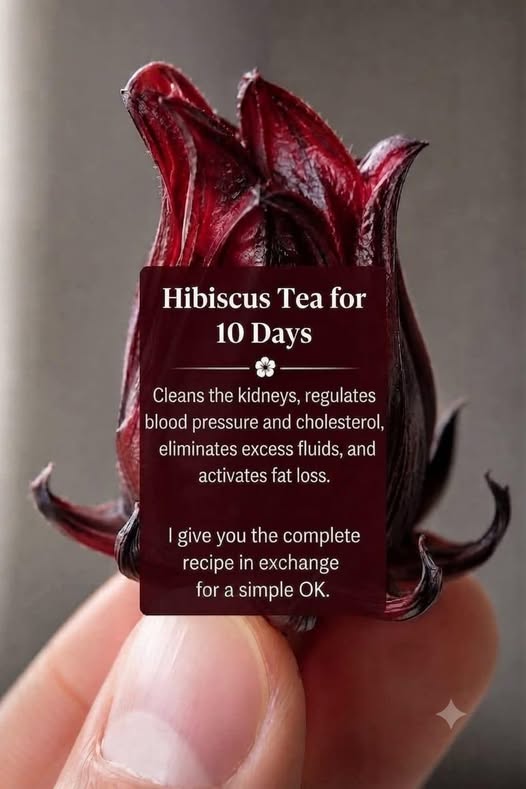
Hibiscus tea is a bright, ruby-red herbal drink made from the dried calyces of the hibiscus plant, particularly Hibiscus sabdariffa. It has a naturally tart, cranberry-like flavor and can be enjoyed hot or cold.
Beyond its refreshing taste, hibiscus tea has attracted attention because it contains plant compounds with antioxidant properties. Research suggests it may also have modest effects on blood pressure, although it should not be considered a replacement for prescribed treatment.
Potential Benefits of Hibiscus Tea
1. May Help Support Healthy Blood Pressure
One of the better-studied potential benefits of hibiscus tea is its effect on blood pressure.
Some clinical studies have found that regularly consuming hibiscus preparations may modestly lower blood pressure in people with elevated blood pressure. The effect is not guaranteed, and hibiscus should not replace blood-pressure medication prescribed by a doctor.
2. Contains Antioxidants
Hibiscus is rich in naturally occurring compounds such as anthocyanins and other polyphenols.
These antioxidants help protect cells from oxidative stress. Including antioxidant-rich foods and beverages as part of a balanced diet can contribute to overall health.
3. May Support Heart Health
Because hibiscus may have effects on blood pressure and blood lipid levels, researchers have investigated its potential role in cardiovascular health.
However, more research is needed before hibiscus tea can be considered a treatment for heart disease.
4. Naturally Caffeine-Free
Unlike black tea, green tea, and many traditional tea blends, pure hibiscus tea is naturally caffeine-free.
That makes it an appealing option for people who want a warm evening drink without the stimulating effects of caffeine.
5. May Support a Healthy Diet
Unsweetened hibiscus tea contains very few calories. Replacing sugary drinks with unsweetened herbal tea can be a simple way to reduce added sugar intake.
Adding large amounts of sugar, honey, or syrup, however, can significantly increase its calorie content.
How to Prepare Hibiscus Tea
Making hibiscus tea is simple.
Ingredients:
- 1–2 teaspoons dried hibiscus petals or calyces
- 1 cup of hot water
- Lemon or a small amount of honey, optional
Method:
- Bring water to a boil.
- Place the dried hibiscus in a cup or teapot.
- Pour the hot water over the hibiscus.
- Steep for approximately 5–10 minutes.
- Strain the tea.
- Add lemon or a small amount of honey if desired.
For iced hibiscus tea, allow it to cool and serve over ice.
Precautions to Keep in Mind
Hibiscus tea is generally well tolerated when consumed as a beverage, but it isn’t appropriate for everyone.
Blood Pressure Medication
Because hibiscus may lower blood pressure, combining it with blood-pressure-lowering medication could potentially cause blood pressure to become too low.
If you take medication for hypertension, ask your healthcare professional before consuming large amounts regularly.
Diabetes Medication
Hibiscus may potentially influence blood sugar levels. People taking diabetes medication should discuss regular hibiscus consumption with their healthcare professional.
Pregnancy and Breastfeeding
Safety data for medicinal amounts of hibiscus during pregnancy and breastfeeding are limited. If you’re pregnant or breastfeeding, it’s best to consult your healthcare professional before consuming hibiscus tea regularly or in concentrated amounts.
Allergies and Stomach Sensitivity
Some people may experience stomach discomfort or an allergic reaction. Stop drinking it and seek medical advice if you develop concerning symptoms.
How Much Hibiscus Tea Should You Drink?
There isn’t one universally established dose for hibiscus tea because studies have used different preparations and amounts.
For a typical beverage, starting with one cup of unsweetened tea is a reasonable approach. If you plan to drink it frequently or use concentrated hibiscus products, speak with a healthcare professional first.
Final Thoughts
Hibiscus tea can be a flavorful, caffeine-free addition to a balanced diet. Its antioxidant content and possible blood-pressure benefits make it an interesting herbal beverage, but it should not be treated as a cure or substitute for medical treatment.
If you take regular medication, have a medical condition, or are pregnant or breastfeeding, check with a healthcare professional before making hibiscus tea a daily habit.