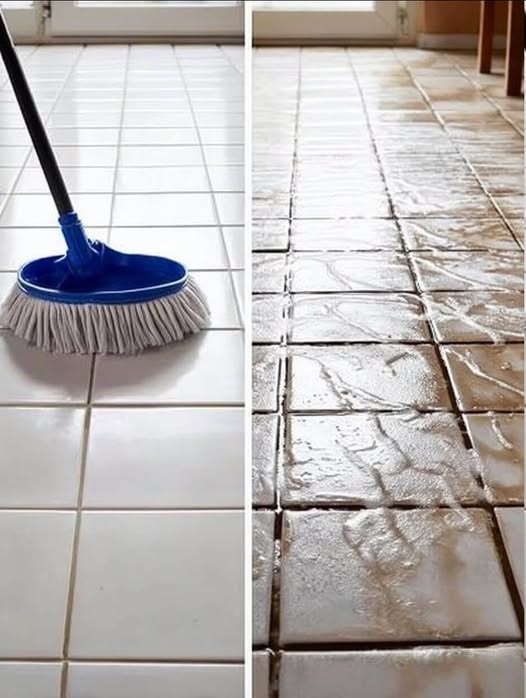
Learn how to make a simple homemade floor-cleaning solution using just 3 common ingredients. This easy method can help freshen everyday floors without spending much on specialized cleaners.
Keeping your floors clean does not always require expensive cleaning products. If your floor has everyday dust, light dirt, footprints, or an unpleasant smell, you can make a simple homemade cleaning solution with ingredients you may already have at home.
The key is to use the right ingredients for your particular flooring. A homemade cleaner can be useful for routine cleaning, but it should always be tested on a small hidden area first.
The 3 Ingredients You Need
For a basic homemade floor cleaner, you can use:
- Warm water — 1 bucket
- White vinegar — ½ cup
- A few drops of mild dishwashing liquid
These ingredients are inexpensive and easy to find.
Why These Ingredients?
Warm water helps loosen ordinary dirt and grime.
White vinegar can help remove light mineral deposits and odors. However, vinegar is acidic, so it should not be used on every type of flooring.
Mild dishwashing liquid helps lift greasy residue and everyday dirt from the surface.
How to Make the Floor Cleaner
- Fill a bucket with warm water.
- Add about ½ cup of white vinegar.
- Add only a few drops of mild dishwashing liquid.
- Stir gently to combine.
- Dip a clean mop into the solution.
- Wring the mop well so it is damp rather than soaking wet.
- Mop the floor in sections.
- Allow the floor to air-dry or dry it with a clean microfiber cloth if necessary.
You do not need a large amount of soap. Too much detergent can leave a sticky film behind and may actually make the floor attract more dirt.
Important: Check Your Flooring First
This homemade mixture is not suitable for every floor.
Avoid vinegar-based cleaners on natural stone surfaces such as marble, limestone, travertine, and some other stone floors, because acidic ingredients can damage or dull the surface.
For hardwood floors, avoid excessive water and follow the flooring manufacturer’s cleaning instructions. Some finished wood floors may tolerate specific cleaning methods, while others can be damaged by moisture.
For laminate, vinyl, tile, or other manufactured flooring, check the manufacturer’s recommendations before using vinegar.
For a Fresher-Smelling Floor
If your main goal is to freshen the floor rather than remove heavy dirt, you can keep the solution very simple. Use clean warm water with a small amount of mild detergent appropriate for your flooring.
Avoid adding essential oils, bleach, ammonia, or multiple household chemicals to the bucket.
Never mix bleach with vinegar or ammonia. Combining household cleaning chemicals can produce dangerous fumes.
Tips for Cleaner Floors
A few simple habits can make floor cleaning easier:
- Sweep or vacuum before mopping.
- Clean spills as soon as possible.
- Use a clean mop or microfiber pad.
- Change dirty water instead of spreading it around.
- Do not leave wooden floors excessively wet.
- Clean high-traffic areas more frequently.
- Test any homemade solution on a small hidden section first.
Final Thoughts
You do not always need a cabinet full of cleaning products to handle everyday floor cleaning. A simple mixture of warm water, white vinegar, and a small amount of mild dish soap can work for some types of hard flooring.
The most important step is knowing what your floor is made of. When in doubt, follow the manufacturer’s cleaning instructions and choose a cleaner specifically designed for that surface.