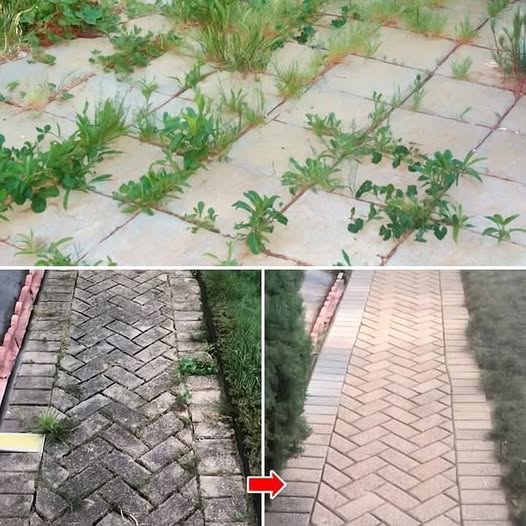
Learn natural ways to control weeds without harsh herbicides, including hand removal, mulch, boiling water, ground cover, and prevention techniques.
Weeds can seem impossible to eliminate. Pulling them out today only to see new ones appear a few days later can be frustrating. The good news is that you can greatly reduce weeds naturally by combining removal with prevention.
The important thing to remember is that there is rarely a single natural treatment that eliminates weeds forever. Many weeds return because their seeds remain in the soil or because pieces of their roots are left behind.
1. Pull weeds before they produce seeds
One of the most effective natural methods is also the simplest: remove weeds while they’re young.
Pull them after watering or rainfall, when the soil is soft. Try to remove as much of the root as possible, especially with perennial weeds.
Don’t wait until weeds flower and produce seeds. One mature plant can add many more seeds to your garden soil.
2. Use a thick layer of mulch
Mulching is one of the best long-term ways to reduce weeds.
Apply approximately 5–8 cm (2–3 inches) of suitable organic mulch around established plants. Mulch blocks sunlight from reaching weed seeds while also helping the soil retain moisture.
Suitable options include:
- Straw
- Shredded leaves
- Wood chips
- Compost
- Grass clippings that haven’t been treated with herbicides
Keep mulch slightly away from plant stems and tree trunks to reduce moisture-related problems.
3. Try boiling water for weeds in cracks
For weeds growing through driveway cracks, paving gaps, or other areas where you don’t want vegetation, boiling water can be effective.
Carefully pour the hot water directly over the weed.
However, be cautious: boiling water doesn’t distinguish between weeds and desirable plants. Avoid using it near garden plants or tree roots.
4. Don’t rely on vinegar everywhere
Vinegar is often promoted as a natural weed killer, but it’s not a magic solution.
Household vinegar may damage the leaves of small weeds, but many established perennial weeds can regrow from their roots. Stronger vinegar products can also damage desirable plants and soil organisms.
If you use any vinegar-based weed treatment, avoid spraying it on plants you want to keep and follow the product label.
5. Use cardboard or newspaper for new garden beds
For an area you’re preparing for planting, a layer of plain cardboard can help suppress existing vegetation.
Wet the cardboard thoroughly and overlap the pieces so weeds can’t easily grow through the gaps. Cover it with several centimeters of mulch.
Over time, the cardboard breaks down and contributes organic matter to the soil.
6. Plant ground covers
Bare soil is an invitation for weeds.
Dense, appropriate ground-cover plants can occupy available space and reduce the sunlight and room available for weeds. Choose species suited to your climate and garden conditions, and avoid invasive plants.
7. Avoid disturbing the soil unnecessarily
Every time you dig or turn over soil, you may bring dormant weed seeds closer to the surface where they can germinate.
Instead of repeatedly cultivating the entire garden, remove individual weeds and disturb the soil as little as practical.
8. Improve your lawn’s density
If weeds are taking over your lawn, the problem may be that the grass isn’t growing densely enough.
Appropriate mowing, watering, fertilization, and reseeding can help create a thicker lawn that leaves less room for weeds.
Avoid cutting grass excessively short, because this can stress the grass and give weeds an advantage.
9. Remove weeds before they spread
Don’t focus only on the weeds you can see today. Prevention is the real long-term strategy.
Regularly walk through your garden and remove new weeds before they flower and produce seeds. Clean soil from gardening tools before moving between areas if you’re dealing with persistent invasive weeds.
10. Be careful with homemade “natural” weed killers
Natural doesn’t automatically mean harmless.
Salt, bleach, concentrated acids, and other household chemicals are sometimes recommended online as weed killers. Avoid using these indiscriminately. Salt, for example, can accumulate in soil and damage desirable plants for a long time.
If your goal is a healthy garden, physically removing weeds and preventing their growth is generally a much better approach.
The best natural strategy
Instead of looking for one ingredient that supposedly kills every weed forever, combine several methods:
Pull young weeds → mulch bare soil → plant densely → remove weeds before they seed → repeat regularly.
With consistent maintenance, you can dramatically reduce the number of weeds without relying on synthetic herbicides.