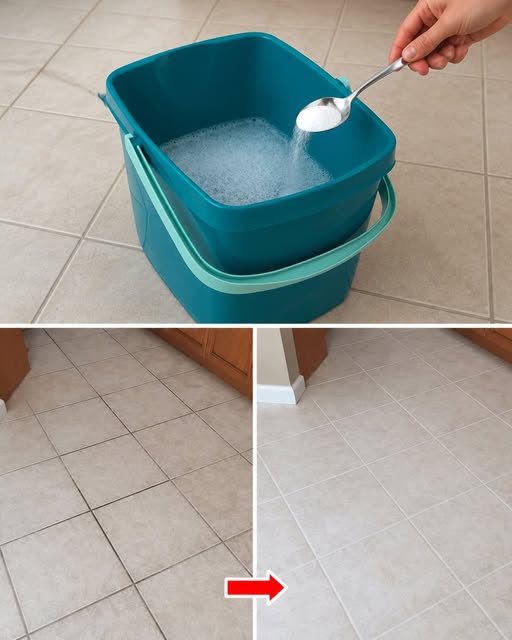
Black stains between floor tiles can make an otherwise clean floor look old and dirty. The dark marks may come from accumulated dirt, soap residue, moisture, mold, or mildew. Fortunately, many grout stains can be improved with a few simple household cleaning methods.
Before you start, identify what you are dealing with. If the black discoloration looks fuzzy, spreads in damp areas, or keeps returning, it may be mold or mildew rather than ordinary dirt.
What You’ll Need
Depending on the method you choose, you may need:
- Baking soda
- Hydrogen peroxide
- Dishwashing liquid
- An old toothbrush or stiff nylon grout brush
- Warm water
- Microfiber cloth
- Rubber gloves
- A spray bottle
Avoid using a metal brush because it can scratch tiles or damage grout.
Method 1: Baking Soda and Water
For ordinary dirt and dark buildup, start with the gentlest method.
Mix baking soda with a small amount of water to make a thick paste.
Apply the paste directly to the stained grout and leave it for about 5–10 minutes. Then scrub the grout gently with an old toothbrush or grout brush.
Wipe the area with a damp microfiber cloth and rinse with clean water.
For mild stains, this may be all you need.
Method 2: Baking Soda and Hydrogen Peroxide
For more stubborn discoloration, hydrogen peroxide can provide additional cleaning power.
Mix baking soda with enough 3% hydrogen peroxide to form a spreadable paste. Apply it to the stained grout and allow it to sit for several minutes.
Gently scrub with a nylon brush, then rinse thoroughly with clean water.
Always test the mixture on a small, inconspicuous area first, particularly if you’re unsure how your tile or grout will react.
Method 3: Dish Soap for Greasy Floor Buildup
Sometimes grout looks black because it has collected grease, cooking residue, or dirty cleaning water.
Add a small amount of dish soap to warm water and apply it to the grout. Scrub with a grout brush and then rinse.
This method is particularly useful in kitchens where floors can gradually accumulate greasy residue.
If the Black Stains Are Mold or Mildew
Mold and mildew are more likely when grout remains damp for long periods.
Improve ventilation and try to keep the floor as dry as possible after cleaning. A suitable household mold/mildew cleaner may be more appropriate for persistent growth.
If the affected area is extensive, repeatedly returns, or you suspect moisture is getting underneath the flooring, fixing the moisture problem is more important than repeatedly scrubbing the surface.
Don’t Mix Cleaning Chemicals
This is extremely important.
Never mix bleach with ammonia, acids such as vinegar, or other cleaning products. Dangerous fumes can be produced.
It’s also better to use one cleaning method at a time and rinse the surface thoroughly before trying another product.
How to Prevent Black Grout Stains
Once you’ve cleaned the grout, prevention can make a big difference.
Keep the Floor Dry
Moisture encourages mold and mildew growth. After mopping, allow the floor to dry completely.
Clean Spills Quickly
Food, drinks, grease, and other spills can gradually discolor porous grout.
Don’t Overuse Cleaning Products
Too much cleaning solution can leave residue behind, which may attract dirt and make grout look darker.
Improve Ventilation
In bathrooms and other humid areas, ventilation helps reduce moisture accumulation.
Clean Grout Regularly
A quick scrub every few weeks is usually much easier than trying to remove years of buildup at once.
When Cleaning Isn’t Enough
Sometimes black grout cannot be restored simply by cleaning. If the grout is permanently discolored, cracked, crumbling, or damaged by moisture, it may need to be repaired or replaced.
If the black material is actually mold growing because of an ongoing leak or water problem, deal with the source of the moisture first.
Final Thoughts
Black stains on floor grout don’t always mean the entire floor needs replacing. Start with a gentle cleaning method such as baking soda and water, then move to a stronger approach if necessary.
Most importantly, avoid mixing cleaning chemicals and test any new cleaning solution on a small hidden area first. With regular cleaning and good moisture control, grout can stay cleaner and brighter for much longer.