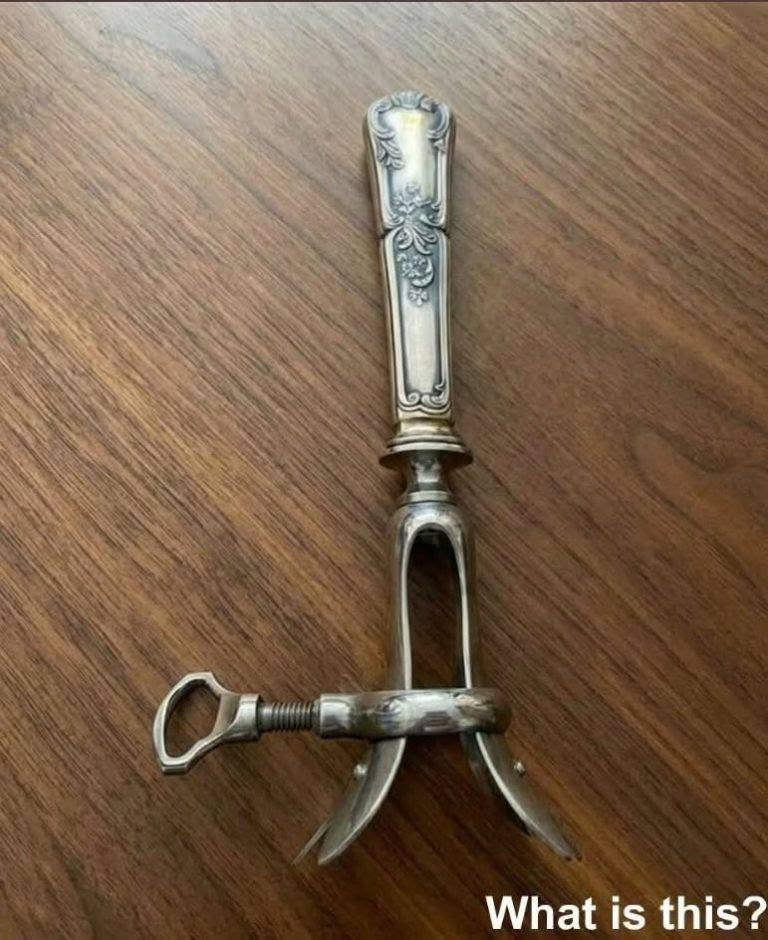
Found a mysterious object in your grandmother’s dresser after her passing? Here are some common possibilities, how to identify old personal-care tools, and why these little objects can tell us so much about the past.
I Found This in My Grandmother’s Dresser After She Died. None of Us Have Any Idea What It Is
Going through the belongings of someone we love after they pass away can bring up all kinds of emotions. Old photographs, handwritten notes, jewelry, perfume bottles, buttons, and forgotten keepsakes can suddenly become precious reminders of another time.
But occasionally, you find something that leaves everyone completely puzzled.
That is exactly what happened when one family was cleaning out their grandmother’s dresser. Tucked away among her personal belongings was a small, unfamiliar object. None of the family members recognized it, and there was no obvious explanation for what it had been used for.
At first glance, an old object like this can look almost completely useless. But many items that seem mysterious today were once ordinary household or personal-care tools.
It May Be an Old Grooming or Beauty Tool
One of the first things to consider when an unusual object is discovered inside a dresser is its original purpose.
Dressers traditionally held personal items such as combs, brushes, hair accessories, sewing supplies, cosmetics, manicure tools, perfume bottles, jewelry, and small clothing-repair items.
Older grooming tools can look very different from the products commonly sold today. Some were made from metal, bone, wood, Bakelite, celluloid, or early plastics.
If the mystery object has long, narrow teeth or prongs, for example, it could potentially be related to hair styling. Hair picks are one example of a grooming tool designed with widely spaced prongs to lift, separate, or style hair.
Why Would Something Like This Be in a Dresser?
The location itself provides an important clue.
A dresser was often a person’s private storage area. Before modern bathrooms became the central place for grooming products, people frequently kept their everyday personal-care items in bedroom furniture.
A grandmother’s dresser might contain objects she had used decades earlier—even objects that had not been touched for years.
That means an unfamiliar tool doesn’t necessarily have a strange or mysterious history. It may simply be something that belonged to an earlier generation.
Old Beauty Tools Can Be Surprisingly Difficult to Identify
Many vintage objects were designed for a very specific purpose.
A modern comb, for example, is immediately recognizable. But older hair tools could be specialized for:
- Creating volume
- Separating strands of hair
- Styling curls
- Holding hairstyles in place
- Cleaning or maintaining grooming equipment
- Applying beauty products
- Removing hair from brushes
- Managing thick or textured hair
Hair picks with long, widely spaced prongs are specifically designed to work through or lift hair without the closely packed teeth found on ordinary combs.
Look Closely at the Details
If your family is trying to identify the object, don’t just look at its overall shape.
Examine the material, size, markings, handle, teeth, hinges, holes, and any lettering or symbols.
These details can provide valuable clues.
1. Look for a manufacturer’s mark
Turn the object over and check for:
- A brand name
- Initials
- Numbers
- A country of manufacture
- A patent number
- A logo
Even a tiny marking can sometimes reveal approximately when and where an object was made.
2. Examine the material
The material can also help establish its age.
Older personal items were commonly made from materials such as metal, wood, bone, ivory, Bakelite, celluloid, or early plastics.
A lightweight plastic-looking object may be considerably older than you might initially assume.
3. Look at the wear
Signs of long-term use can be particularly revealing.
Scratches, discoloration, worn edges, missing teeth, or areas where the surface has become smooth may indicate that the object was used regularly rather than being a decorative item.
It Could Have Been Something Completely Ordinary
One of the most fascinating things about objects inherited from grandparents is that they often seem mysterious simply because the everyday world they belonged to has disappeared.
A tool that was once used routinely may now look like an unusual artifact.
Think about how many objects from the past have effectively disappeared from modern homes:
- Manual hair-styling tools
- Vintage sewing accessories
- Garment-care tools
- Old-fashioned cosmetic applicators
- Specialized combs
- Shoe-care implements
- Small repair tools
- Decorative hair ornaments
What seems strange today may have been as familiar to your grandmother as a smartphone is to us.
Don’t Throw It Away Yet
If the object has sentimental value because it belonged to your grandmother, consider keeping it even if you never determine its exact purpose.
Sometimes the story behind an object becomes more important than the object itself.
You could place it alongside photographs, jewelry, handwritten recipes, or other belongings that remind the family of her.
And if you eventually identify it, that discovery can become part of the family’s history.
How to Identify the Mystery Object
If you want to figure out exactly what it is, take several clear photographs.
Ideally, photograph:
- The front
- The back
- Both sides
- The top and bottom
- Any markings or numbers
- The object next to a ruler or coin for scale
Good lighting is important because small details can make all the difference.
A close-up photograph of the unusual parts—especially the handle, prongs, teeth, hinges, or markings—can make identification much easier.
The Most Important Clue May Be Its Location
The fact that it was discovered in your grandmother’s dresser is significant.
Rather than assuming it was a random household object, start by asking:
What would she normally have kept in this particular drawer?
Was it near jewelry? Hair accessories? Sewing supplies? Cosmetics? Clothing items?
The objects surrounding it may reveal its original purpose.
A Small Object With a Big Story
Finding something unfamiliar in a loved one’s belongings can be surprisingly meaningful.
It reminds us that every generation has its own tools, routines, and everyday objects. Some disappear from common use so gradually that we don’t even realize they have become obsolete.
So that mysterious little item in your grandmother’s dresser may not be worthless or meaningless at all.
It could simply be a small piece of her everyday life—a tool she once used without giving it a second thought.
And sometimes, the most ordinary objects become the most fascinating family keepsakes after someone is gone.
If you have a photograph of the mystery object, upload it here. A clear photo can make it possible to narrow down exactly what it is, how it was used, and roughly what period it came from.