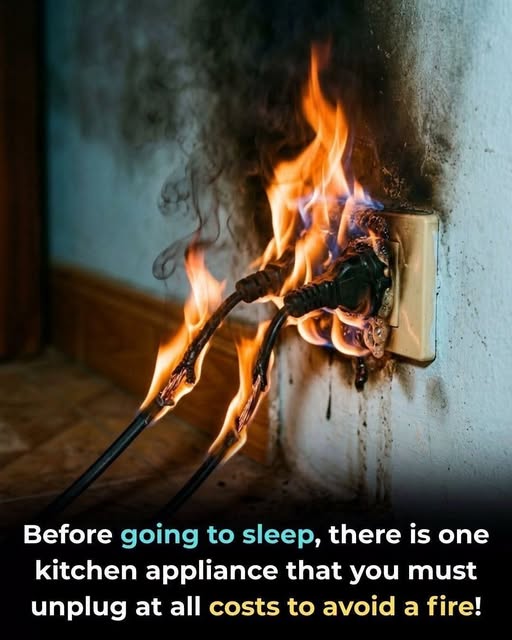
Learn which kitchen appliances deserve extra attention before bedtime, why damaged cords and overloaded outlets can cause fires, and simple steps to make your kitchen safer overnight.
A quiet kitchen at night may seem harmless, but electrical appliances can remain a potential fire hazard even when nobody is using them. Faulty wiring, damaged cords, overheating, loose connections, and overloaded outlets can all contribute to electrical fires.
One appliance that deserves particular attention is the toaster.
Why Should You Unplug a Toaster?
Toasters contain heating elements that become extremely hot during operation. Although modern appliances include safety features, electrical or mechanical failures can still occur.
Unplugging the toaster after use removes it from the electrical supply and eliminates the possibility of an appliance fault occurring while you’re asleep.
This is especially sensible if the toaster is:
- Old or damaged
- Showing signs of overheating
- Producing sparks
- Developing a burning smell
- Connected through an extension cord
- Sitting beneath cabinets or near flammable materials
- Equipped with a frayed or damaged power cable
Don’t Ignore a Burning Smell
A burning-plastic or electrical smell should never be considered normal.
If you notice smoke, sparks, discoloration, buzzing, or unusual heat around an appliance or outlet, stop using it and disconnect power if it is safe to do so. If there is an active electrical fire, don’t throw water on it. Leave the area and contact emergency services or a qualified professional.
Other Kitchen Appliances Deserve Attention Too
A toaster isn’t the only appliance that can create problems. Before going to bed, check appliances that generate substantial heat or that aren’t designed to remain operating unattended.
Depending on the appliance manufacturer’s instructions, this may include:
- Toasters
- Toaster ovens
- Portable hot plates
- Electric kettles
- Air fryers
- Coffee makers
- Hair or cooking appliances being used in the kitchen
However, don’t routinely unplug appliances that are designed to remain powered, such as refrigerators or freezers, unless the manufacturer specifically recommends it.
Check the Outlet, Not Just the Appliance
Sometimes the problem isn’t the appliance itself. An outlet that is warm, cracked, loose, discolored, or making buzzing or sizzling sounds can indicate an electrical problem.
Avoid plugging multiple high-power appliances into the same outlet or power strip. If an outlet repeatedly trips a circuit breaker, have the electrical system inspected rather than repeatedly resetting it.
A Simple Nighttime Habit
Before heading to bed, take a quick look around the kitchen:
Turn off → unplug appropriate appliances → check for unusual smells or heat → keep flammable items away from heat sources.
It takes only a few seconds, but those seconds can help reduce unnecessary electrical and fire risks in your home.