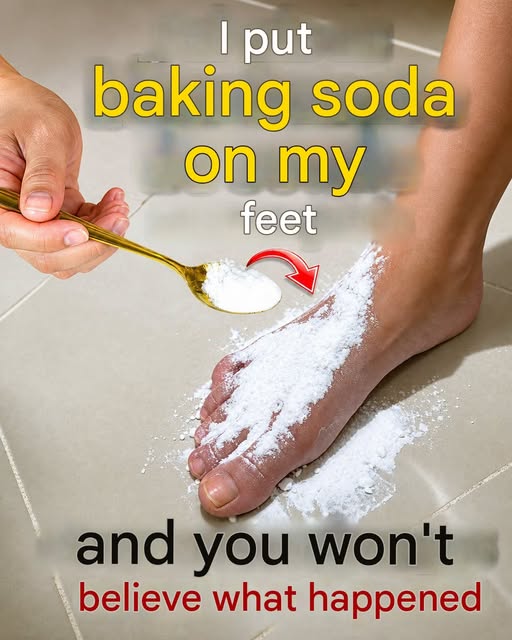
Wondering what happens when you put baking soda on your feet? Learn what baking soda may do for odor and skin, how to use it safely, and when to avoid it.
Baking soda is one of those inexpensive household ingredients that seems to have endless uses. People use it for cleaning, cooking, deodorizing refrigerators—and, surprisingly, foot care.
You may have heard that putting baking soda on your feet can remove odor, soften rough skin, fight fungus, or even “draw out toxins.”
But what actually happens?
The answer is more practical than magical. Baking soda may help reduce foot odor and temporarily improve the feel of rough skin, but it isn’t a detox treatment and shouldn’t be considered a cure for fungal infections.
Why Do People Put Baking Soda on Their Feet?
Feet have a large number of sweat glands. Sweat itself usually doesn’t have a strong smell, but bacteria that live on the skin can break down components of sweat and produce unpleasant odors.
Baking soda is mildly alkaline and can help neutralize some odors. That’s why it has traditionally been used as a deodorizing household ingredient.
For some people, applying a small amount to dry feet or using it in a foot soak may make their feet feel fresher.
1. It May Help With Foot Odor
This is probably the most reasonable use of baking soda for feet.
Baking soda can absorb moisture to some extent and help neutralize odors. Keeping feet dry is also important because excessive moisture can contribute to unpleasant smells.
However, baking soda isn’t a substitute for good foot hygiene.
Wash your feet regularly, dry carefully—especially between the toes—and change socks when they become damp.
2. It May Make Rough Skin Feel Softer
A baking-soda foot soak may temporarily soften the outer layer of dry, hardened skin.
This can make rough areas feel smoother after washing and gently drying the feet.
But avoid aggressively scrubbing afterward. Excessive friction can create tiny areas of irritation and make dry or cracked skin worse.
For genuinely dry feet, a fragrance-free moisturizer or a foot cream containing ingredients such as urea is generally a more appropriate long-term approach.
3. Does Baking Soda Kill Foot Fungus?
This is where online claims often go too far.
Athlete’s foot is a fungal infection that commonly causes itching, scaling, cracking, or burning, particularly between the toes.
Although baking soda has been studied for antifungal effects in laboratory settings, that does not establish baking soda as a reliable treatment for athlete’s foot in people.
If you have persistent itching, scaling, cracking, or a spreading rash, an appropriate antifungal treatment may be needed.
4. It Doesn’t “Pull Toxins” From Your Body
You may also see claims that soaking your feet in baking soda removes toxins from the bloodstream or cleanses the organs.
There is no good evidence that a baking-soda foot bath detoxifies your body.
Your liver and kidneys already perform the body’s major waste-processing and elimination functions.
A foot soak can be relaxing and may improve how your feet feel—but it doesn’t cleanse your blood, liver, kidneys, or other organs.
How to Try a Baking Soda Foot Soak
If your goal is simply to freshen your feet or soften dry skin, you can keep the method simple.
You’ll need:
- A basin of comfortably warm water
- A small amount of baking soda
- A clean towel
- Moisturizer afterward
Method:
- Fill a clean basin with warm—not hot—water.
- Add a modest amount of baking soda and allow it to dissolve.
- Soak your feet for about 10–15 minutes.
- Rinse your feet with clean water.
- Dry thoroughly, particularly between the toes.
- Apply a gentle moisturizer to dry areas.
You don’t need an extremely concentrated solution or a long soaking session.
Don’t Overdo It
Baking soda is alkaline, while healthy skin has a naturally acidic surface environment known as the acid mantle.
Frequent or prolonged exposure to alkaline substances can potentially disturb the skin barrier and cause dryness or irritation.
Stop using it if you notice:
- Burning
- Redness
- Increased dryness
- Itching
- Peeling
- Cracking
- A rash
More isn’t necessarily better.
Be Careful If Your Feet Are Cracked
If you have deep cracks, open sores, bleeding, blisters, or irritated skin, it’s better to avoid experimenting with home remedies.
Broken skin is more vulnerable to irritation and infection.
People with diabetes or circulation problems should also be particularly cautious about foot problems and should follow their healthcare professional’s foot-care recommendations rather than relying on home treatments.
What About Baking Soda Directly on Dry Feet?
Some people sprinkle a small amount of baking soda inside socks or shoes to help control odor.
This can be useful as a deodorizing strategy, but don’t use large quantities directly against the skin if it causes dryness or irritation.
Keeping shoes dry and allowing them to air out between uses can also make a noticeable difference.
The Simple Foot-Care Routine That Works
You don’t need a complicated remedy to keep your feet healthy.
Try these basic habits:
Wash: Clean your feet regularly.
Dry: Pay special attention to the spaces between your toes.
Change socks: Put on clean socks whenever they become sweaty or damp.
Air out shoes: Give shoes enough time to dry between uses.
Moisturize: Apply moisturizer to dry heels and other rough areas, but avoid putting heavy moisturizer between the toes.
Treat persistent problems: If odor, itching, scaling, pain, or skin changes don’t improve, get the cause checked.
When Foot Odor Could Mean Something More
Occasional foot odor is extremely common.
But persistent odor accompanied by significant peeling, itching, redness, sores, pain, or discharge can indicate a skin infection or another condition.
Don’t simply keep increasing the amount of baking soda you use.
Instead, consider getting the problem evaluated so you can treat the underlying cause.
The Bottom Line
Putting baking soda on your feet isn’t a miracle detox—and it won’t “pull toxins” out through your soles.
But baking soda may have a simple practical role in foot care. It can help neutralize odors, and a mild foot soak may temporarily make rough skin feel softer.
The key is moderation.
Use it occasionally if your skin tolerates it, avoid applying it to broken or irritated skin, and don’t rely on it to treat suspected fungal infections.
Sometimes the most surprising thing about a viral home remedy is that its real benefit is much simpler than the internet claims.