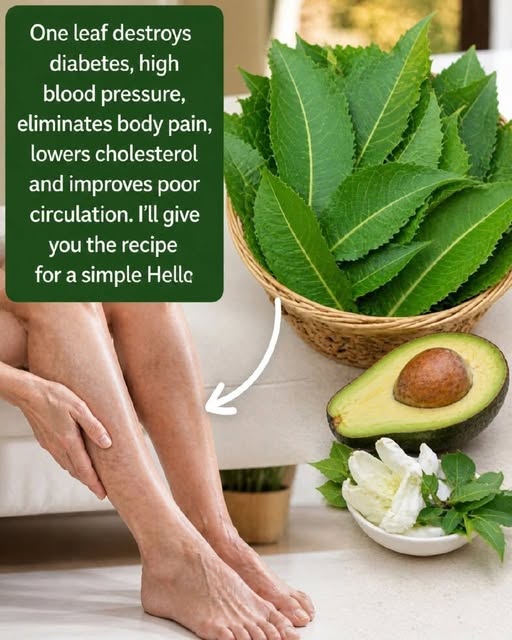
Neem (Azadirachta indica) has been used traditionally in South Asian cultures for centuries. Its leaves are especially well known in traditional practices for skin care, oral hygiene, and general wellness. However, “natural” does not automatically mean risk-free, and many popular claims about neem have not been firmly established in human studies.
🌿 What Are Neem Leaves?
Neem is an evergreen tree native to the Indian subcontinent. Its leaves contain various naturally occurring compounds, including limonoids and flavonoids, that have been investigated for antioxidant, antimicrobial, and anti-inflammatory properties.
Traditionally, neem leaves have been used in several ways:
- As part of traditional herbal preparations
- In skin and scalp applications
- For traditional oral-care practices
- In baths and cleansing preparations
- As an ingredient in some herbal products
1. May Support Skin Health
Neem leaves are traditionally used for various skin concerns. Laboratory research suggests that compounds found in neem may have antimicrobial and anti-inflammatory activity.
Neem preparations are sometimes applied to the skin for problems such as irritation, acne, or minor skin concerns. However, evidence from controlled human studies is limited, so neem should not be considered a proven treatment for skin disease.
Tip: If using a neem preparation on your skin, test a small area first. Stop if you develop burning, redness, swelling, or itching.
2. May Have Antimicrobial Properties
One of the most researched characteristics of neem is its potential antimicrobial activity. Neem compounds have demonstrated activity against certain microorganisms in laboratory studies.
This is one reason neem has traditionally been incorporated into oral-care and skin-care products.
Importantly, laboratory activity does not necessarily mean that drinking neem juice or eating neem leaves will treat an infection in humans.
3. Traditional Oral-Care Uses
Neem has a long history in traditional oral hygiene. Neem twigs have traditionally been used as chewing sticks, and neem extracts appear in some dental-care products.
Some research suggests neem-containing preparations may help reduce certain oral bacteria and plaque, but they should not replace brushing with fluoride toothpaste, flossing, or professional dental care.
4. Contains Antioxidant Compounds
Neem leaves contain plant compounds with antioxidant activity. Antioxidants help protect cells from oxidative stress caused by reactive molecules.
That sounds promising, but it’s important to distinguish antioxidant activity observed in laboratory research from proven disease-prevention benefits in people.
A balanced diet containing vegetables, fruits, legumes, nuts, and whole grains remains a much more established way to obtain dietary antioxidants.
5. Traditional Hair and Scalp Uses
Neem is also commonly used in traditional hair and scalp preparations. Neem-based products may be used for cleansing and maintaining scalp hygiene.
Because neem can irritate sensitive skin, concentrated neem oils or extracts shouldn’t automatically be assumed to be safe simply because they’re plant-derived.
6. Neem and Inflammation
Certain neem compounds have demonstrated anti-inflammatory effects in laboratory and animal research. This has generated interest in neem’s possible role in inflammatory conditions.
However, there isn’t enough high-quality clinical evidence to recommend neem as a treatment for arthritis, chronic pain, or other inflammatory diseases.
7. Neem Is Also Used as a Natural Insect Repellent
Neem is particularly famous for its insect-related uses. Neem-derived compounds, especially azadirachtin, can interfere with the growth and feeding behavior of various insects.
Neem oil and neem-based agricultural products are therefore widely used in some pest-management applications.
This is different from saying that consuming neem leaves will safely eliminate parasites or insects from the human body.
⚠️ Important Health Facts About Neem
Neem deserves some caution, particularly when taken internally.
Don’t assume more is better
Large amounts of neem preparations can be harmful. Neem oil ingestion has been associated with serious poisoning, particularly in children.
Pregnancy requires extra caution
Neem products taken internally are generally best avoided during pregnancy unless specifically recommended by a qualified healthcare professional. Traditional and laboratory evidence raises concerns about reproductive effects, while reliable safety data in pregnancy are limited.
Children should not be given neem casually
Neem oil poisoning has been reported in young children and can cause serious neurological and metabolic problems. Keep neem oil and concentrated neem products away from children.
Neem may interact with medicines
Because neem may potentially influence blood sugar, immune activity, and other biological processes, people taking medications—especially medicines for diabetes or other chronic conditions—should consult a healthcare professional before using concentrated neem supplements.
Neem isn’t a substitute for medical treatment
Neem should not be used instead of prescribed medication for infections, diabetes, hypertension, arthritis, or other medical conditions.
Fresh Neem Leaves vs. Neem Supplements
These aren’t necessarily equivalent.
Fresh leaves: Traditionally consumed or used in small quantities in some cultures, but their safety and effectiveness depend on how they’re prepared and how much is consumed.
Extracts and capsules: Can contain much more concentrated amounts of active compounds and therefore shouldn’t automatically be treated like ordinary food.
Neem oil: Particularly important to keep away from children and never assume that an oil intended for external or agricultural use is suitable for consumption.
How Neem Can Be Used Traditionally
For external use, neem may appear in:
- Herbal soaps
- Skin preparations
- Shampoos
- Scalp treatments
- Traditional bathing preparations
- Oral-care products
If you’re considering an edible neem product, check the product’s ingredients and dosage carefully and speak with a healthcare professional if you take medication, are pregnant, breastfeeding, or have a chronic condition.
Bottom Line
Neem leaves contain interesting plant compounds and have a long history of traditional use, particularly for skin care, oral hygiene, and insect-related applications. Research suggests antimicrobial, antioxidant, and anti-inflammatory properties, but many of the stronger health claims circulating online still lack good evidence from human clinical trials.
Neem can be useful as a traditional plant—but it isn’t a miracle cure. The form, dose, and method of use matter, and concentrated neem products deserve particular caution.