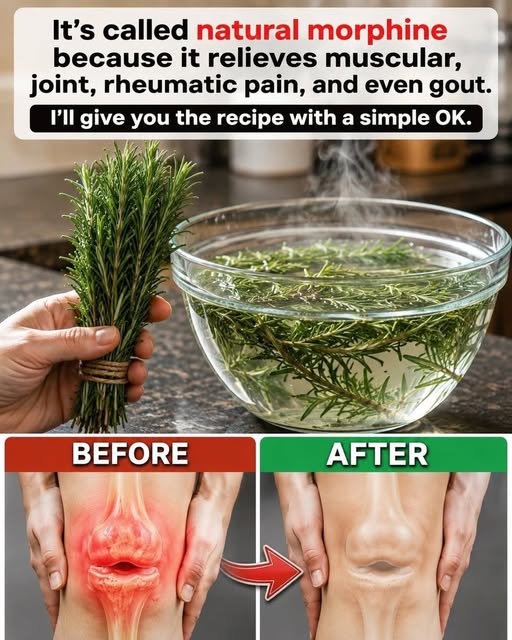
For generations, traditional herbal medicine has used certain plants to help soothe muscle aches, joint discomfort, stiffness, rheumatic pain, and other everyday aches. Because some of these herbs are believed to have naturally occurring pain-relieving and anti-inflammatory properties, they are sometimes described online as a “natural morphine.”
But there is an important distinction: a traditional herb is not the same thing as morphine. Morphine is a prescription opioid with a well-established mechanism, potency, dosing, and risk of dependence. Herbal remedies should never be assumed to provide the same effect.
Still, some plants contain compounds that researchers have investigated for their potential effects on inflammation and pain.
Why Do People Call It “Natural Morphine”?
The phrase “natural morphine” is generally used to describe a plant that people believe can reduce pain. It is usually a traditional nickname rather than a scientific classification.
Pain can come from many different causes, including:
- Muscle overuse
- Minor strains
- Joint inflammation
- Osteoarthritis
- Rheumatic conditions
- Nerve irritation
- Injuries
- Increased uric acid associated with gout
A substance that reduces inflammation may make certain types of discomfort feel better, but that doesn’t mean it works like an opioid.
This distinction is particularly important for people with severe, persistent, or unexplained pain, because treating the symptom without identifying the underlying cause can delay appropriate medical care.
Traditional Use for Muscle Pain
Muscle soreness is commonly associated with physical activity, repetitive movements, minor strains, or prolonged periods of sitting or standing.
Traditional herbal preparations have often been used as:
- Herbal teas
- Poultices
- Oils
- Balms
- Compresses
- Topical preparations
The goal is generally to provide soothing comfort rather than to produce the powerful pain relief associated with prescription opioids.
For mild muscle soreness, other evidence-based approaches may also help, depending on the cause. Rest, gentle movement, adequate hydration, stretching, heat or cold therapy, and appropriate medical treatment can all have a role.
Traditional Uses for Joint Discomfort
Joint pain can occur for many reasons. Aging, osteoarthritis, injuries, inflammation, autoimmune disorders, and gout can all produce joint symptoms.
Some plants traditionally used for joint discomfort contain compounds that have demonstrated anti-inflammatory or antioxidant activity in laboratory studies.
However, laboratory findings don’t automatically prove that consuming an herb will relieve arthritis pain in humans.
If joint pain continues for weeks, repeatedly returns, causes significant swelling, or interferes with normal movement, the underlying cause should be evaluated rather than relying solely on an herbal remedy.
What About Rheumatic Pain?
“Rheumatism” is an older broad term that has historically been used for various conditions involving muscles, joints, and connective tissues.
Modern medicine distinguishes between many different disorders, including osteoarthritis, rheumatoid arthritis, gout, bursitis, tendon problems, and other inflammatory or autoimmune conditions.
Because these conditions have different causes and treatments, an herb marketed as a universal remedy for “rheumatism” should be viewed cautiously.
A traditional preparation may provide temporary comfort for some people, but it should not replace diagnosis or treatment when an inflammatory or autoimmune condition is suspected.
Can It Treat Gout?
Gout deserves special attention.
Gout occurs when uric acid crystals accumulate in and around joints, producing episodes of intense pain, swelling, warmth, and tenderness. The big toe is a classic location, although gout can affect other joints as well.
An herbal remedy may be promoted online as a natural way to “flush out uric acid” or permanently cure gout, but such claims should not be accepted without good clinical evidence.
Proper gout management may involve:
- Treating an acute flare
- Managing uric acid levels when appropriate
- Reviewing medications and risk factors
- Maintaining a healthy weight when necessary
- Following an individualized dietary plan
- Taking prescribed urate-lowering medication when indicated
If someone has sudden severe joint pain with redness and swelling—especially for the first time—medical assessment is important because gout can resemble other conditions, including joint infection.
Anti-Inflammatory Potential
One reason traditional herbs attract attention is that many contain biologically active plant compounds.
Some compounds may influence pathways involved in:
- Inflammation
- Oxidative stress
- Pain signaling
- Cellular responses
Researchers often investigate these effects in laboratory or animal studies.
However, there is a major difference between “may have anti-inflammatory activity” and “proven to treat arthritis or gout.”
For a health article, it is therefore better to use phrases such as:
“Traditionally used to soothe discomfort”
or
“Research is investigating its potential anti-inflammatory properties”
rather than claiming that the herb cures arthritis, gout, or chronic pain.
How Herbal Pain Remedies Are Commonly Used
Depending on the particular plant, traditional preparations may include topical applications or oral preparations.
Topical preparations
Oils, creams, balms, and poultices are applied directly to the skin.
They may provide a warming, cooling, or soothing sensation.
Never apply an unknown herbal preparation to broken skin, infected wounds, or irritated areas without appropriate guidance.
Herbal teas
Some plants are traditionally prepared as teas. However, the concentration of active compounds can vary considerably depending on the plant, amount used, preparation method, and duration of use.
“Natural” does not automatically mean that unlimited consumption is safe.
Supplements and extracts
Capsules, tinctures, and concentrated extracts can contain substantially higher amounts of active compounds than traditional food preparations.
This is one reason supplements deserve more caution than ordinary culinary herbs.
Important Safety Precautions
Before using any herb for pain, consider the following.
1. Don’t replace prescribed treatment
If you have diagnosed arthritis, gout, an autoimmune condition, or another chronic disease, don’t stop prescribed medication simply because an herbal remedy is advertised as a natural alternative.
2. Check for medication interactions
Some herbs can affect blood clotting, blood pressure, blood sugar, liver enzymes, or the effects of medications.
People taking regular medicines should discuss concentrated herbal products with a healthcare professional or pharmacist.
3. Pregnancy and breastfeeding
Safety varies greatly between herbs. Concentrated herbal remedies should not be assumed to be safe during pregnancy or breastfeeding.
4. Watch for allergic reactions
Stop using a product if it causes:
- Rash
- Burning
- Severe itching
- Swelling
- Difficulty breathing
- Dizziness
Difficulty breathing or swelling of the face, lips, or throat requires urgent medical attention.
5. Avoid unknown doses
A traditional recipe found online may not provide a reliable or appropriate dose. The concentration of active compounds can differ considerably between plants and preparations.
When Pain Should Not Be Treated at Home
Seek medical attention if pain is:
- Severe or rapidly worsening
- Associated with significant swelling or redness
- Accompanied by fever
- Following a serious injury
- Associated with weakness or numbness
- Persisting despite rest
- Repeatedly waking you at night
- Affecting your ability to walk or use a joint normally
Sudden severe joint pain with fever can be particularly important because an infected joint can be a medical emergency.
The Bottom Line
Calling an herb “natural morphine” may sound impressive, but it can create unrealistic expectations and confuse traditional herbal medicine with opioid medication.
Certain herbs may contain compounds with interesting anti-inflammatory, antioxidant, or pain-related properties, and some have been used traditionally for muscle aches, joint discomfort, and rheumatic complaints.
However, evidence varies greatly from one plant to another, and traditional use is not the same as clinical proof.
For gout and persistent joint pain, identifying and treating the underlying condition is especially important. Herbal remedies may sometimes be used as complementary approaches, but they should not replace appropriate medical evaluation or proven treatment.