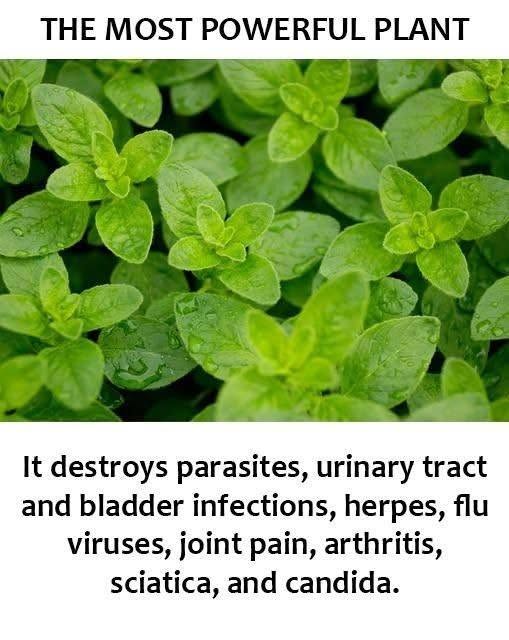
Discover the potential health benefits of mint, including its refreshing effects on digestion, nausea, oral health, and more, plus important safety tips.
Mint may look like an ordinary herb, but it has been used for centuries in traditional foods, teas, and remedies. Its refreshing aroma and cooling sensation come largely from compounds such as menthol, which interacts with cold-sensitive receptors in the body.
But is mint really “one of the most powerful plants in the world”? That’s a catchy description rather than a scientific classification. Mint can be useful, but it should not be treated as a cure-all.
1. Mint May Help Settle an Upset Stomach
Mint has a long history of traditional use for digestive discomfort.
Peppermint in particular contains menthol and other compounds that may affect the muscles of the digestive tract.
Some people use peppermint tea after meals to help with:
- Occasional indigestion
- Bloating
- Mild stomach discomfort
- A feeling of fullness
However, peppermint can make acid reflux or heartburn worse in some people because it may relax the lower esophageal sphincter.
2. It Can Help Relieve Nausea for Some People
The aroma and flavor of mint can be refreshing when you’re feeling nauseated.
Peppermint has been studied particularly in certain clinical settings, including nausea associated with surgery, although evidence varies depending on the situation and method of use.
Mint tea can be a soothing beverage, but persistent or severe nausea should not simply be treated with herbs.
3. Mint Contains Antioxidant Compounds
Mint leaves contain various plant compounds with antioxidant activity.
Antioxidants help protect cells from oxidative stress caused by reactive molecules produced during normal metabolism and in response to environmental factors.
A diet rich in a variety of plant foods is generally a better strategy for obtaining beneficial plant compounds than relying on one “superfood.”
4. Mint Can Freshen Breath
One of mint’s most obvious benefits is its refreshing effect on the mouth.
Menthol creates the familiar cooling sensation associated with mint, which is why peppermint is widely used in toothpaste, mouthwash, chewing gum, and breath products.
However, covering bad breath with mint does not necessarily address its underlying cause.
Persistent bad breath can sometimes be associated with gum disease, dental problems, dry mouth, reflux, or other health conditions.
5. Mint May Have Antimicrobial Properties
Laboratory studies have found that certain compounds in mint can inhibit some microorganisms.
This has contributed to the herb’s traditional use and its popularity in oral-care products.
However, laboratory findings do not automatically mean that eating mint or drinking mint tea will treat an infection inside the human body.
Mint should not replace prescribed treatment for infections.
6. The Cooling Sensation Is Real—but It Doesn’t Actually Make You Colder
When you consume mint, menthol activates certain receptors associated with the sensation of cold.
That’s why peppermint tea, chewing gum, or toothpaste can create a distinctly cool feeling.
Interestingly, the sensation doesn’t necessarily mean your body’s actual temperature has significantly decreased. It’s primarily a sensory effect.
7. Mint Tea Can Be a Healthy Alternative to Sugary Drinks
One of the simplest benefits of mint may have nothing to do with a special medicinal property.
Unsweetened mint tea contains very few calories and can provide a flavorful alternative to sugary beverages.
Replacing sugary drinks with unsweetened herbal tea can be a practical part of a healthy diet.
8. Mint Is Easy to Grow at Home
Mint is also one of the easiest herbs to grow.
It can thrive in many conditions and can spread rapidly. For that reason, gardeners often prefer growing it in a container rather than directly in the ground.
Fresh leaves can be added to:
- Water
- Tea
- Salads
- Yogurt
- Sauces
- Fruit dishes
- Homemade drinks
Are There Any Reasons to Be Careful With Mint?
Although mint is generally used safely as a food, concentrated peppermint products and essential oils require more caution.
Peppermint and Acid Reflux
Peppermint may worsen heartburn or reflux symptoms in some individuals.
If you regularly experience acid reflux, pay attention to whether mint makes your symptoms worse.
Peppermint Oil Is Highly Concentrated
Peppermint essential oil is much more concentrated than fresh mint leaves or tea.
It should not be casually swallowed, and concentrated essential oils can be harmful if used incorrectly.
Allergies Are Possible
Although uncommon, some people can have allergic reactions to mint or products containing mint.
Stop using a product and seek appropriate medical attention if you develop signs of a serious allergic reaction.
How to Enjoy Mint Safely
For most people, the simplest approach is also the safest: enjoy mint as a food or mild herbal tea.
Try adding fresh mint leaves to cold water, fruit, salads, or yogurt, or make an unsweetened mint tea.
If you’re considering concentrated peppermint supplements or essential oils for a health condition, talk with a healthcare professional first—especially if you take medications or have an existing medical condition.
Final Thoughts
Mint is certainly an impressive plant. Its refreshing flavor, distinctive aroma, culinary versatility, and traditional uses have made it popular around the world for centuries.
It may support digestion for some people, provide antioxidant plant compounds, freshen breath, and make a healthy drink more enjoyable.
But calling mint a cure-all would go too far.
The real power of mint is that it’s a simple, versatile plant that can be part of a healthy lifestyle—not a substitute for medical treatment or a balanced diet.