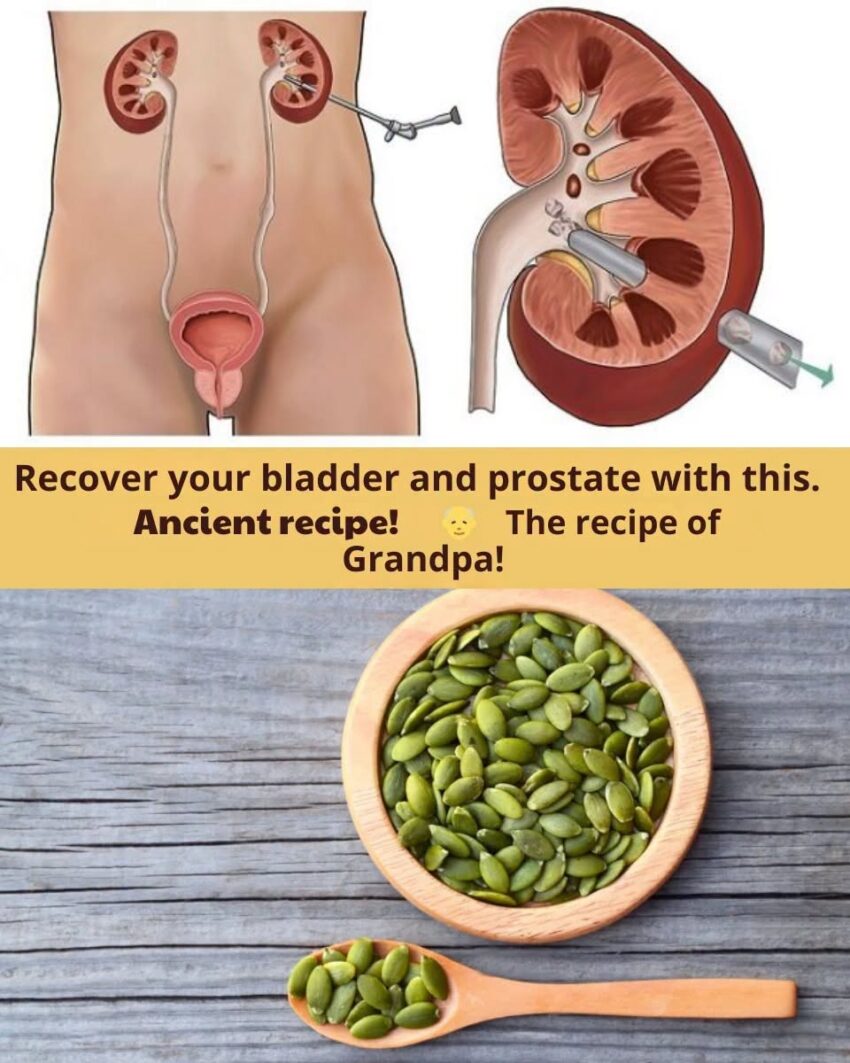
As men get older, urinary changes can become more noticeable. Frequent trips to the bathroom, waking up several times at night, a weaker urine stream, or difficulty starting urination may become frustrating.
These symptoms are often associated with an enlarged prostate, but they should not automatically be dismissed as a normal part of aging. Other urinary or prostate conditions can cause similar symptoms.
The good news is that several everyday habits can support urinary and prostate health.
1. Drink Enough Water
Staying adequately hydrated helps the urinary system function normally.
However, drinking huge amounts of water is not necessary. If frequent nighttime urination is a problem, some men may find it helpful to reduce large amounts of fluid close to bedtime while still maintaining adequate hydration during the day.
2. Eat More Vegetables
A diet rich in vegetables provides fiber, vitamins, minerals, and other beneficial plant compounds.
Leafy greens, tomatoes, carrots, broccoli, peppers, and other colorful vegetables can all be part of a balanced diet.
Tomatoes are particularly interesting because they contain lycopene, a plant compound that has been studied in relation to prostate health.
3. Choose Fruits Regularly
Fruit can provide fiber and a variety of vitamins and antioxidant compounds.
Berries, oranges, apples, guava, and other whole fruits can be included as part of a balanced eating pattern.
Whole fruit is generally preferable to sugary fruit drinks because it provides more fiber and is less concentrated in sugar.
4. Don’t Ignore Your Weight
Maintaining a healthy weight may benefit overall health and can be helpful when managing urinary symptoms.
Regular physical activity is also important. Walking, cycling, swimming, and strength exercises can help support cardiovascular and metabolic health.
5. Be Careful With Caffeine and Alcohol
Some men notice that caffeine or alcohol makes urinary symptoms worse.
Coffee, tea, energy drinks, and alcohol can sometimes increase urinary frequency or bladder irritation.
If you notice that a particular drink consistently makes your symptoms worse, reducing it may be worth trying.
6. Give Your Bladder Time to Empty
Repeatedly holding urine for very long periods is not a good habit.
At the same time, constantly going to the bathroom “just in case” may contribute to urinary frequency in some people.
A regular bathroom routine and paying attention to your body’s signals can be more helpful than either extreme.
7. Pelvic Floor Exercises May Help
Pelvic floor exercises, commonly called Kegel exercises, can strengthen the muscles involved in bladder control.
They are particularly useful for some men experiencing urinary leakage, including men recovering from certain prostate procedures.
However, the correct technique matters. If you’re unsure how to perform them, a healthcare professional or pelvic-floor physiotherapist can provide guidance.
8. Don’t Assume Every Urinary Problem Is Your Prostate
This is one of the most important points.
Frequent urination, burning, blood in the urine, pelvic pain, difficulty urinating, or changes in urine flow can have several possible causes.
An enlarged prostate is common as men age, but urinary infections, bladder problems, kidney stones, medications, diabetes, and other conditions can also cause urinary symptoms.
When Should You See a Doctor?
Seek medical evaluation if urinary symptoms are persistent, worsening, or interfering with sleep and everyday activities.
Blood in the urine, inability to urinate, severe pain, fever with urinary symptoms, or sudden significant changes in urination should receive prompt medical attention.
A doctor can determine whether the problem is related to the prostate, bladder, urinary tract, or another condition.
The Bottom Line
There is no food, drink, or home remedy that can literally make an older prostate or bladder “look like new.”
But a balanced diet, adequate hydration, regular physical activity, healthy weight management, and attention to urinary symptoms can all contribute to better overall urinary and prostate health.
Most importantly, don’t ignore persistent changes simply because you’re getting older. Knowing what is normal for you—and getting checked when something changes—is one of the best ways to protect your health.
Meta Description
Learn which everyday foods and healthy habits may support prostate and bladder health, plus urinary symptoms men should never ignore as they age.