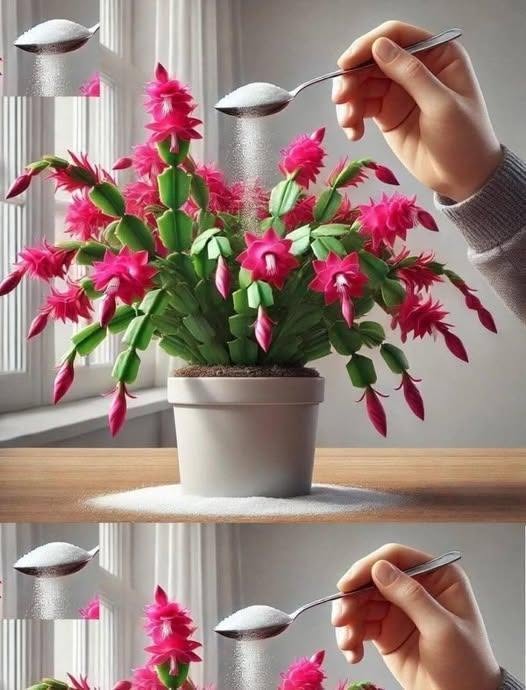
Healthy plants don’t always need complicated treatments or expensive products. Sometimes, the biggest difference comes from providing the right nutrients at the right time.
You may have seen gardening tips claiming that one teaspoon of a particular kitchen ingredient can make every plant lush, green, and full of fruit. The truth is a little more nuanced: plants have different nutritional needs, and too much of any fertilizer or soil amendment can actually damage roots.
Still, a small, carefully measured amount of an appropriate fertilizer can be useful for container plants and garden beds.
Why Plant Nutrients Matter
Plants need several essential nutrients to grow properly.
The three nutrients most commonly discussed on fertilizer labels are:
- Nitrogen (N): supports leafy, green growth
- Phosphorus (P): plays a role in root development and reproduction
- Potassium (K): supports overall plant function and helps plants cope with environmental stress
Plants also require smaller amounts of nutrients such as calcium, magnesium, iron, and sulfur.
The important point is that more fertilizer does not mean more growth. Applying too much can cause salt buildup in the soil, root damage, excessive leafy growth, or other problems.
The One-Teaspoon Rule
If a fertilizer product specifically recommends approximately 1 teaspoon per plant or container, follow the product’s directions rather than assuming the same amount works everywhere.
The correct dose depends on:
- Plant species
- Pot size
- Soil type
- Fertilizer concentration
- Plant age
- Growing conditions
- Whether the plant is actively growing
A teaspoon may be appropriate for one product and completely excessive for another.
How to Apply Fertilizer Safely
Before feeding your plants, read the fertilizer label carefully.
For granular products, measure the recommended amount rather than estimating. Spread it around the soil instead of concentrating it directly against the stem.
Water afterward when the product instructions call for it.
For liquid fertilizers, do not substitute a teaspoon measurement unless the label specifically gives that dosage. Concentrated fertilizers need to be diluted according to their instructions.
Which Plants Benefit From Feeding?
Many actively growing plants can benefit from appropriate fertilization, including:
Vegetables
Tomatoes, peppers, cucumbers, squash, and leafy vegetables have different nutrient requirements throughout their growing seasons.
Flowering Plants
Plants grown for flowers may benefit from appropriate fertilization during active growth, although excessive nitrogen can encourage leaves at the expense of flowers.
Fruit Plants
Fruit production depends on much more than fertilizer. Adequate sunlight, pollination, watering, temperature, pruning, and plant health all matter.
Houseplants
Container plants can gradually use nutrients from their potting mix, making periodic fertilization useful when appropriate.
Don’t Forget Water and Sunlight
Fertilizer isn’t a cure for an unhealthy plant.
A plant receiving too little sunlight may remain weak even when fertilized. Likewise, overwatering can cause root problems that fertilizer won’t fix.
Before adding nutrients, check the basics:
Sunlight: Is the plant receiving the amount of light it needs?
Water: Is the soil too dry or constantly wet?
Drainage: Can excess water escape from the container?
Soil: Does the plant have suitable growing media?
Pests: Are insects damaging the leaves or stems?
A Simple Gardening Principle
Think of fertilizer as plant food supplementation, not medicine.
If a plant already has everything it needs, adding extra fertilizer won’t necessarily make it grow faster. In fact, overfeeding can do more harm than good.
The safest approach is simple: identify the plant, understand its nutritional needs, and follow the fertilizer manufacturer’s recommended dose.
Final Thoughts
The idea that “just one teaspoon” can make any plant beautiful, fruitful, and lush makes a catchy gardening headline, but there is no universal ingredient or dosage that works for every plant.
Healthy plants come from a combination of appropriate light, watering, good soil, nutrients, temperature, and pest management.
So before reaching for a kitchen ingredient or homemade fertilizer, check what your particular plant actually needs. A small amount of the right nutrient can help—but the right amount is always more important than the biggest promise.