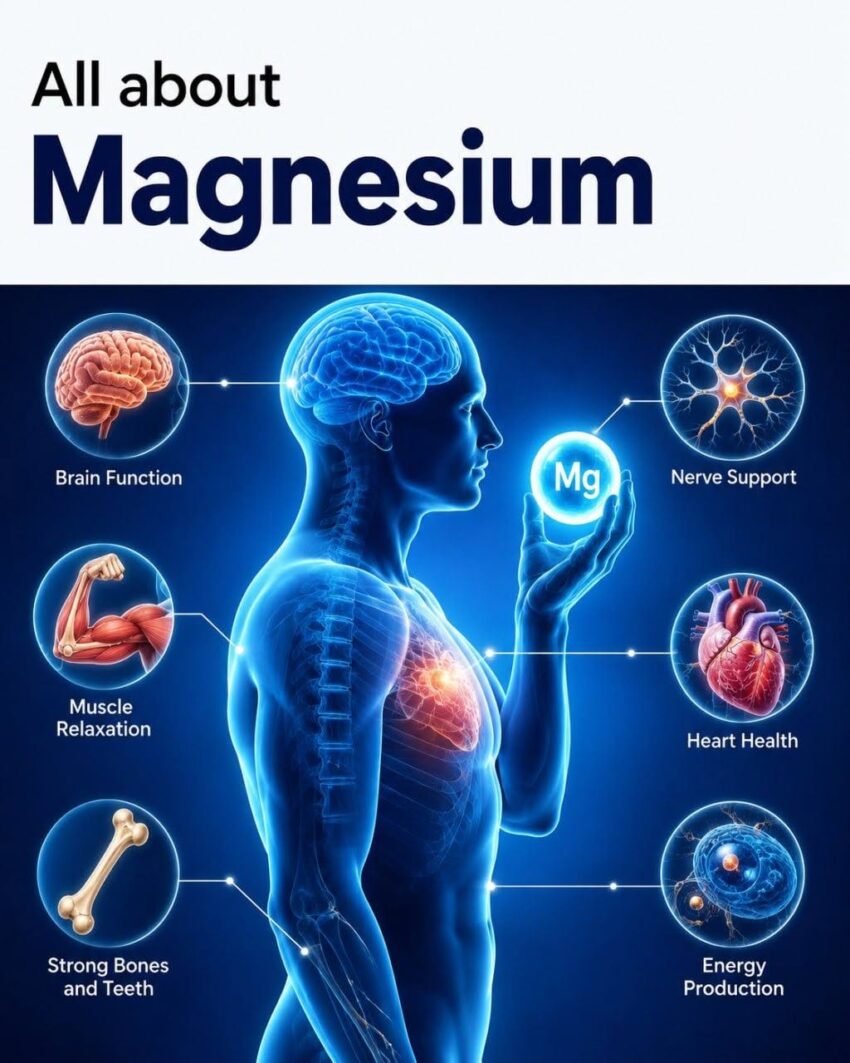
Discover why magnesium is essential for your health, its benefits, signs of deficiency, top food sources, and how it supports muscles, nerves, bones, and heart function.
Magnesium is one of the most important minerals in the human body, yet many people don’t think about it until they experience symptoms of a deficiency. This essential nutrient plays a role in hundreds of biological processes, helping your body function properly every day.
From supporting healthy muscles and nerves to maintaining strong bones and a normal heartbeat, magnesium is involved in many critical functions. Without adequate magnesium, the body cannot perform many of the tasks necessary for overall health and well-being.
Let’s explore why magnesium is so important, how it benefits your body, and the best ways to get enough of this essential mineral.
What Is Magnesium?
Magnesium is a mineral naturally found in many foods and is also available as a dietary supplement. It is present in every cell of the body and is required for numerous chemical reactions that keep the body functioning normally.
Approximately 50% to 60% of the body’s magnesium is stored in the bones, while the rest is found in muscles, soft tissues, and body fluids.
Because magnesium is involved in so many bodily processes, maintaining adequate levels is essential for overall health.
Why Does Your Body Need Magnesium?
Magnesium contributes to more than 300 enzyme reactions throughout the body.
These reactions help support:
- Muscle function
- Nerve signaling
- Energy production
- Protein synthesis
- Bone health
- Blood sugar regulation
- Blood pressure maintenance
- Heart rhythm regulation
Without enough magnesium, these processes may not function optimally.
1. Supports Healthy Muscle Function
Magnesium plays an important role in muscle contraction and relaxation.
When magnesium levels are balanced, muscles can function normally. Inadequate magnesium intake may contribute to muscle cramps, twitching, or feelings of muscle weakness in some individuals.
Athletes and physically active people often pay close attention to magnesium intake because of its role in normal muscle function.
2. Helps Maintain Healthy Nerve Function
Your nervous system relies on magnesium to help transmit signals between the brain and the rest of the body.
Magnesium helps regulate nerve activity and supports normal communication between nerve cells.
Healthy nerve function is essential for movement, sensation, coordination, and many other bodily processes.
3. Contributes to Energy Production
Feeling tired all the time?
Magnesium is involved in the body’s energy-producing processes. It helps convert food into usable energy that powers your cells.
Because of its role in energy metabolism, magnesium is often included in discussions about fatigue and overall vitality.
However, fatigue can have many causes, and persistent tiredness should be discussed with a healthcare professional.
4. Supports Bone Health
Many people associate strong bones with calcium, but magnesium is also important.
A significant portion of the body’s magnesium is stored in bone tissue.
Magnesium contributes to normal bone structure and works alongside nutrients such as calcium and vitamin D to support bone health.
Maintaining adequate magnesium intake is one part of a balanced approach to skeletal health.
5. Helps Support Heart Health
The heart is a muscle, and magnesium plays a role in normal muscle function throughout the body.
Magnesium contributes to:
- Normal heart rhythm
- Blood vessel function
- Muscle contraction
- Electrical signaling in the heart
A healthy diet that includes magnesium-rich foods can support overall cardiovascular health.
6. May Help Maintain Normal Blood Pressure
Magnesium is involved in blood vessel function and relaxation.
Research suggests that adequate magnesium intake may help support healthy blood pressure levels as part of an overall healthy lifestyle.
However, magnesium should not be considered a replacement for medical treatment prescribed by a healthcare professional.
7. Supports Blood Sugar Regulation
Magnesium plays a role in how the body processes glucose and responds to insulin.
Scientists continue to study the relationship between magnesium intake and metabolic health.
Maintaining a balanced diet rich in whole foods is one way to support healthy blood sugar management.
Signs You May Not Be Getting Enough Magnesium
Magnesium deficiency can range from mild to severe.
Possible symptoms may include:
- Muscle cramps
- Muscle twitches
- Fatigue
- Weakness
- Loss of appetite
- Nausea
- Tingling sensations
- Mood changes
- Abnormal heart rhythms in severe cases
These symptoms are not specific to magnesium deficiency and can occur with many other health conditions.
If you are concerned about your magnesium status, consult a healthcare professional for evaluation.
Who May Be at Higher Risk of Magnesium Deficiency?
Certain groups may be more likely to have low magnesium levels, including:
- Older adults
- People with certain gastrointestinal disorders
- Individuals with poorly controlled diabetes
- People with chronic alcohol use disorders
- Those taking certain medications
- Individuals with diets low in magnesium-rich foods
A healthcare professional can help determine whether testing or dietary changes are appropriate.
Best Food Sources of Magnesium
The good news is that many nutritious foods naturally contain magnesium.
Leafy Green Vegetables
Examples include:
- Spinach
- Swiss chard
- Kale
Nuts and Seeds
Excellent sources include:
- Pumpkin seeds
- Almonds
- Cashews
- Chia seeds
- Sunflower seeds
Whole Grains
Examples include:
- Oats
- Brown rice
- Whole wheat products
- Quinoa
Legumes
Good choices include:
- Black beans
- Lentils
- Chickpeas
- Kidney beans
Fruits
Some fruits contain magnesium, including:
- Bananas
- Avocados
- Figs
Dark Chocolate
Dark chocolate can provide magnesium and antioxidants when consumed in moderation.
Should You Take a Magnesium Supplement?
Many people can meet their magnesium needs through food alone.
However, supplements may be appropriate in some situations, particularly when recommended by a healthcare professional.
Different forms of magnesium supplements are available, including:
- Magnesium citrate
- Magnesium glycinate
- Magnesium oxide
- Magnesium chloride
Each form has different characteristics and may be used for different purposes.
Because excessive supplementation can cause side effects, it’s best to discuss supplementation with a healthcare provider.
Can You Get Too Much Magnesium?
Magnesium from food is generally safe because the kidneys can remove excess amounts in healthy individuals.
However, high doses of magnesium supplements may cause:
- Diarrhea
- Nausea
- Abdominal cramping
Very large amounts can lead to serious health problems, especially in people with kidney disease.
Always follow product instructions and seek professional advice if you are unsure about the appropriate dosage.
Simple Ways to Increase Magnesium Intake
You can boost your magnesium intake by:
- Eating more leafy green vegetables.
- Adding nuts and seeds to snacks and meals.
- Choosing whole grains over refined grains.
- Including legumes regularly in your diet.
- Enjoying magnesium-rich foods as part of a balanced eating pattern.
Small dietary changes can make a meaningful difference over time.
Final Thoughts
Magnesium is truly one of the body’s most important minerals. It supports muscle function, nerve signaling, energy production, bone health, heart health, and many other essential processes.
Although magnesium deficiency is not always obvious, maintaining adequate intake through a balanced diet can help support overall well-being.
By incorporating magnesium-rich foods such as leafy greens, nuts, seeds, legumes, and whole grains into your daily routine, you can help ensure your body receives the nutrients it needs to function properly.
While supplements may be helpful in certain situations, food should generally be the primary source whenever possible. If you suspect a deficiency or have ongoing symptoms, consult a healthcare professional for personalized guidance.
Medical Disclaimer: This article is for informational and educational purposes only and does not constitute medical advice, diagnosis, or treatment. Always consult a qualified healthcare professional regarding any health concerns, symptoms, or dietary supplement use.