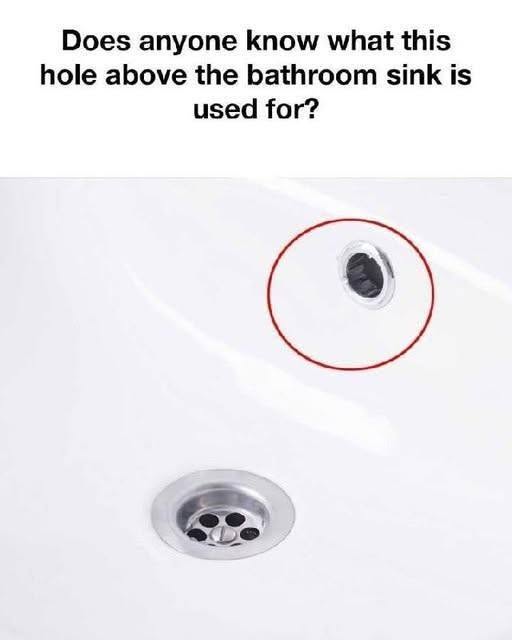
Most people overlook this ordinary item, assuming it has no real value. Discover the surprising uses, benefits, and practical ways it may be useful around your home.
There are plenty of ordinary things we see every day without giving them a second thought. Some are tossed away, ignored, or considered completely useless simply because we never learned what they can actually do.
But sometimes, the things we overlook can have surprisingly practical uses.
From household leftovers and garden materials to common kitchen items, nature is full of examples of things that can be reused instead of immediately thrown away. Learning a few simple ways to repurpose them can help reduce waste, save money, and make everyday tasks a little easier.
Why Do We Think It’s Useless?
Something often gets labeled “useless” because it doesn’t have an obvious purpose.
We tend to value objects according to their most familiar use. Once that use is finished, we assume the item has no further value. However, many materials can have secondary uses that aren’t immediately obvious.
This is particularly true with things found in the kitchen and garden.
Before throwing something away, it can be worth asking:
- Can it be reused?
- Can it help with gardening?
- Can it be used for cleaning?
- Can it be composted?
- Can it be used for storage or organization?
- Is there another practical purpose for it?
That small change in thinking can prevent a surprising amount of unnecessary waste.
The Hidden Value of Everyday Things
One reason repurposing has become increasingly popular is that it doesn’t necessarily require expensive products or complicated equipment.
Many useful household solutions involve items people already have.
For example, certain kitchen scraps can be composted, some containers can be reused for organization, and natural materials from the garden can sometimes be returned to the soil.
The important thing is to understand what you’re working with and use it safely.
A Simple Way to Think Before You Throw Something Away
The next time you are about to put an unusual household item in the trash, take a moment to inspect it.
Ask yourself what the material is made from and whether it could serve another purpose.
If it is organic material, composting may be an option. If it is clean and durable, it might be reusable. If it has a specific household function, there may be another way to use it.
Not everything can or should be repurposed, of course. Some materials can attract pests, develop mold, or become unsafe when stored improperly.
So the goal isn’t to keep everything—it’s to recognize what genuinely has another useful purpose.
Why Reusing Can Be Better Than Buying More
Repurposing everyday materials can offer several simple advantages.
1. Less Waste
Finding another use for an item means less material immediately ends up in the trash.
2. Potential Savings
If something you already own can solve a small household problem, you may not need to purchase another product.
3. More Sustainable Habits
Reusing and composting can be part of a broader effort to reduce household waste.
4. Creativity
Repurposing encourages you to look at ordinary objects differently. What appears useless at first may become useful with a little creativity.
Don’t Believe Every “Secret Use” You See Online
There is one important caveat.
The internet is full of claims that ordinary household items can supposedly cure diseases, remove serious health problems, or replace professional treatments. Such claims shouldn’t automatically be trusted.
A household item may have a legitimate cleaning, gardening, cooking, or organizational use without having any medically proven benefit.
When a claim involves treating a disease, replacing medication, or applying an unusual substance to your body, it’s better to check reliable medical guidance first.
The Bigger Lesson
Sometimes the most useful discovery isn’t a particular trick—it’s learning to question our assumptions.
Something doesn’t become valuable only because it is expensive or attractive. Everyday materials can have practical purposes that aren’t obvious at first glance.
Before declaring something completely useless, consider whether you’re simply overlooking what it can do.
That little pause could help you waste less, save money, and discover a surprisingly useful solution hiding in plain sight.
Bottom line: Not everything that looks worthless is truly useless. With the right knowledge, some ordinary items can be reused, recycled, composted, or put to work in ways you may never have considered.