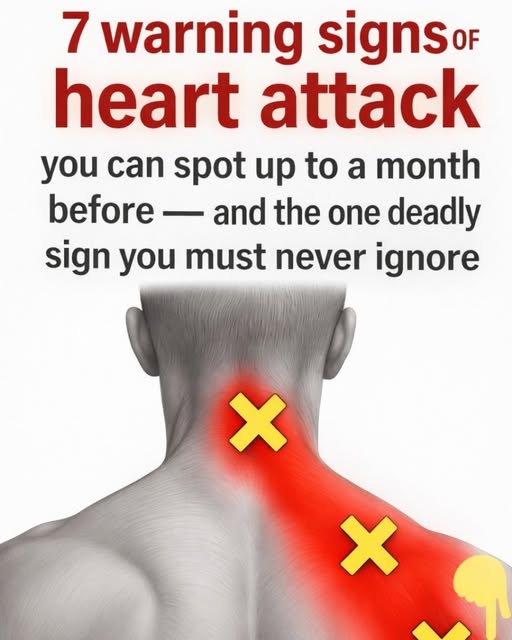
Heart attacks can sometimes give warning signs days or weeks beforehand. Learn which symptoms may signal a heart problem and when to seek emergency medical care.
Most Heart Attacks Don’t Come Out of Nowhere
Many people imagine a heart attack as a sudden, dramatic event. But in some cases, the body may give warning signs beforehand. Symptoms can be mild, intermittent, or easy to mistake for stress, indigestion, fatigue, or something else.
One important signal should never be ignored: new or unexplained chest discomfort.
Other possible warning signs include:
- Pressure, squeezing, fullness, or pain in the chest
- Shortness of breath, especially with little activity
- Unusual or unexplained fatigue
- Pain or discomfort spreading to the arm, shoulder, back, neck, jaw, or upper abdomen
- Cold sweating
- Nausea or vomiting
- Lightheadedness or feeling faint
- A sudden decline in exercise tolerance
Symptoms can vary, particularly in women, older adults, and people with diabetes. A heart attack does not always cause severe chest pain.
Don’t Wait for Symptoms to Become Severe
If chest pressure or pain is new, severe, lasts more than a few minutes, keeps returning, or occurs together with shortness of breath, sweating, faintness, or pain spreading to the arm, back, neck, or jaw, seek emergency medical care immediately.
Knowing the warning signs can make a critical difference. If something feels unusually wrong—especially if symptoms are new or worsening—it’s safer to get evaluated rather than assume it’s simply indigestion or tiredness.