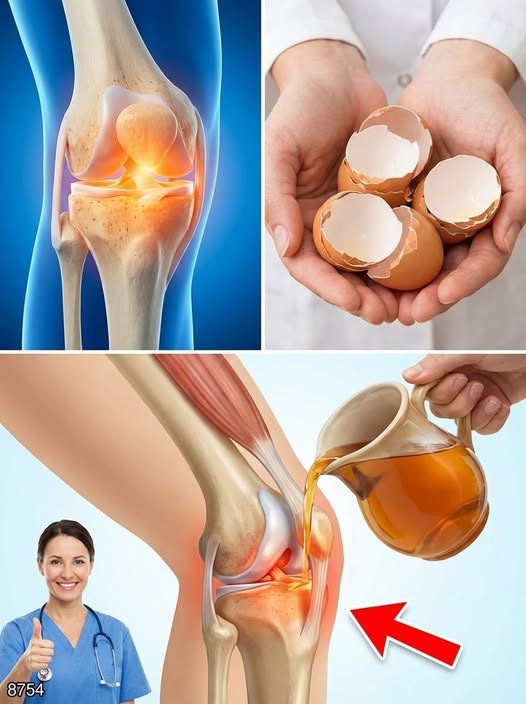
Struggling with knee and joint pain? Discover practical home-care strategies that may help ease discomfort, improve mobility, and support healthier joints—plus when to see a doctor.
Knee and joint pain can make everyday activities feel surprisingly difficult. Walking, climbing stairs, standing for long periods, or even getting out of a chair can become uncomfortable.
When my mom began experiencing persistent knee and bone discomfort, we started looking for simple ways to make daily movement easier. While home remedies cannot cure every cause of knee pain, several approaches may help reduce discomfort and support mobility when used appropriately.
From gentle movement and weight management to heat, cold, and strengthening exercises, there are several evidence-based strategies worth considering.
1. Gentle Movement
When your knees hurt, it can be tempting to stop moving completely. However, prolonged inactivity can make joints feel stiffer and may weaken the muscles that support them.
Low-impact activities such as:
- Short walks
- Gentle stretching
- Swimming
- Stationary cycling
- Water exercises
may help maintain mobility without placing excessive stress on the knees.
Start slowly and stop if an activity causes significant or worsening pain.
2. Try Heat or Cold
Heat and cold can be useful for different types of discomfort.
A warm compress or heating pad may help relax stiff muscles and joints, particularly before activity. Cold packs may help temporarily reduce pain and swelling after activity.
Always protect the skin with a cloth and avoid leaving heat or ice on one area for too long.
3. Strengthen the Muscles Around the Knee
Strong thigh and hip muscles help support the knee during everyday movements.
Simple exercises recommended by a physical therapist may include:
- Straight-leg raises
- Seated leg extensions
- Gentle step exercises
- Supported squats
- Hip-strengthening exercises
The right exercises depend on the underlying cause of the pain, so someone with severe or persistent symptoms should consider professional guidance.
4. Pay Attention to Body Weight
If someone is overweight, even modest weight loss can reduce the mechanical load placed on the knees during everyday activities.
Rather than following extreme diets, focus on balanced meals containing vegetables, fruits, whole grains, protein sources, and healthy fats.
5. Don’t Ignore Vitamin and Mineral Problems
Some nutritional deficiencies can contribute to bone or muscle problems. Vitamin D and calcium, for example, are important for bone health.
However, taking supplements without knowing whether you actually need them isn’t always helpful. A healthcare professional can determine whether testing or supplementation is appropriate.
6. Choose Supportive Footwear
Shoes with comfortable cushioning and good support can make walking easier for some people with knee discomfort.
Avoid worn-out shoes that no longer provide adequate support, particularly if you’re spending a lot of time standing or walking.
7. Consider Physical Therapy
If knee pain continues to interfere with normal activities, physical therapy may be more useful than relying solely on home remedies.
A physical therapist can assess movement, identify muscle weaknesses, and create an exercise program appropriate for the person’s condition.
When Knee Pain Needs Medical Attention
Knee pain shouldn’t automatically be blamed on aging or “weak bones.” Arthritis, injuries, bursitis, gout, infections, osteoporosis-related problems, and other conditions can cause pain.
Seek medical attention promptly if knee pain follows a serious injury, the joint becomes very swollen or red, you develop a fever, you cannot bear weight, or the pain is severe or rapidly worsening.
The most important lesson: simple home-care measures may help some people manage mild knee discomfort, but they shouldn’t replace medical evaluation when pain is persistent, severe, or affecting the ability to walk.