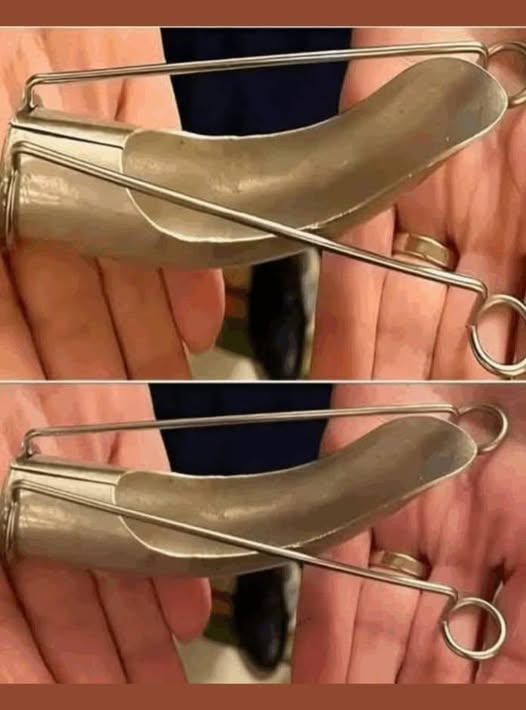
A mysterious discovery in a parent’s drawer can raise difficult questions. Learn why appearances can be misleading and how to approach an unexpected discovery calmly and thoughtfully.
Sometimes, finding an unfamiliar object in someone’s drawer can immediately make your mind jump to the worst possible explanation.
That is exactly what happened when my mom found something unexpected in my dad’s drawer.
At first glance, the object looked suspicious enough to raise questions. Suddenly, an ordinary drawer became the center of a much bigger mystery.
But before jumping to conclusions, there’s something important to remember:
An unfamiliar object doesn’t automatically prove what you think it proves.
Why Our Minds Jump to Conclusions
When we discover something unexpected, our brains naturally try to explain it as quickly as possible.
If an object looks strange or out of place, we may connect it to something we’re already worried about.
But appearances can be deceptive.
Many everyday objects have multiple uses, and something that looks suspicious at first could have a completely innocent explanation.
Take a Closer Look
Before deciding what an object is, consider some basic clues.
Ask:
- What is it made from?
- How large is it?
- Does it have any markings or labels?
- Does it have a recognizable brand?
- What does its shape suggest?
- Could it belong to a hobby or household activity?
- Has anyone in the family seen something similar before?
A clear photograph can sometimes help identify an unfamiliar object, but even then, context matters.
Don’t Turn a Mystery Into an Accusation
If the discovery involves another person, it’s especially important not to make serious accusations based on an unidentified object.
A conversation is usually more useful than speculation.
Instead of starting with a conclusion, ask a simple question:
“I found this in the drawer. What is it?”
Giving the other person an opportunity to explain can prevent a misunderstanding from becoming a much bigger family conflict.
What If the Explanation Still Doesn’t Make Sense?
Sometimes an explanation may raise more questions rather than answer them.
If that happens, stay calm and focus on facts rather than assumptions.
Consider what you actually know and separate it from what you’re imagining might be true.
One unexplained object rarely tells the entire story of someone’s behavior or relationships.
The Internet Can Make Things More Confusing
Mystery-object posts often attract dramatic comments.
People may immediately claim that an object is something shocking, illegal, or inappropriate without knowing the circumstances.
That can make an already uncomfortable situation even more stressful.
If you’re trying to identify something, look for reliable information rather than accepting the most dramatic comment.
The Bigger Lesson
Finding something unexpected can certainly make you curious, suspicious, or even frightened.
But sometimes the simplest explanation is the correct one.
Before assuming that a mysterious object confirms your worst fear, identify the object and talk to the person involved.
You may discover that what looked like a shocking secret was actually something completely ordinary.
And if you have a clear photograph of the object, its size, shape, material, and markings can provide useful clues about what it actually is.