Discover why some common garden weeds are considered valuable “gold mines,” how they can benefit soil and wildlife, and when you should leave them alone or remove them.
Never Step on This Weed—It May Be a “Gold Mine” in Your Garden
Not every weed growing in your garden is an enemy.
Some plants that appear unwanted can actually provide benefits for the soil, insects, and surrounding plants. That’s why gardeners sometimes describe certain weeds as a “gold mine”—not because they contain literal gold, but because they can provide useful ecological value.
One plant often discussed in this context is dandelion.
Why Dandelions Can Be Valuable
Dandelions are extremely adaptable plants with long taproots. Their roots can reach deeper into the soil than many shallow-rooted lawn plants.
As they grow, they can help bring nutrients and minerals from deeper layers toward the upper soil when plant material eventually decomposes.
Their flowers also provide an early food source for pollinating insects, particularly during periods when relatively few flowers are available.
Don’t Automatically Destroy Every Dandelion
A few dandelions in a garden aren’t necessarily a problem.
If they aren’t competing heavily with your vegetables or ornamental plants, you may choose to leave some in place.
Their bright yellow flowers can also add color to an otherwise plain lawn or garden area.
However, dandelions can spread readily through their seeds, so gardeners who want a perfectly controlled lawn may prefer to remove them before they go to seed.
What About the Other “Weeds”?
Dandelions aren’t the only plants people casually call weeds.
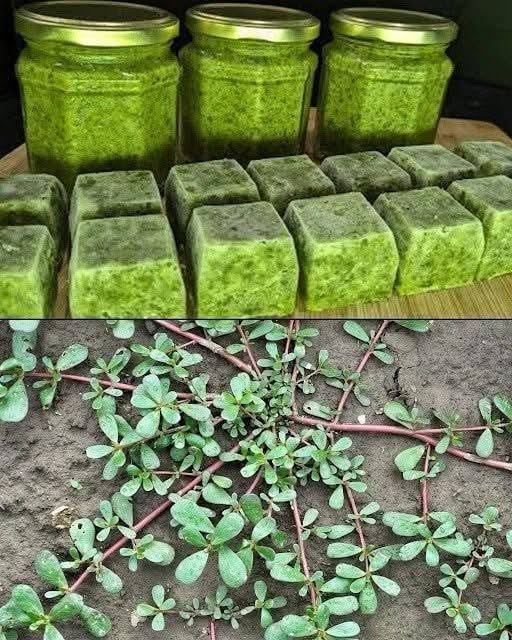
Plants such as clover, chickweed, plantain, and purslane can also have ecological or practical value depending on where they grow.
Some provide food for insects, while others can indicate particular soil conditions.
The important point is that “weed” is a gardening term, not a scientific classification. A plant is often called a weed simply because it’s growing somewhere people don’t want it.
When Should You Remove a Weed?
Leaving weeds alone isn’t always the best choice.
Remove or control a plant if it:
- Is taking over vegetable beds
- Competes heavily with young plants
- Spreads aggressively
- Harbors pests or diseases
- Is poisonous to children or pets
- Is an invasive species in your region
Before identifying an unfamiliar plant, avoid touching or eating it. Some harmless-looking plants can cause skin irritation or be toxic if consumed.
A Better Way to Think About Weeds
Instead of assuming every unwanted plant must immediately be pulled out, take a closer look.
Ask yourself:
What plant is this? Why is it growing here? Is it harming anything? Could it be providing a benefit?
Sometimes the little plant you’ve been trying to eliminate is actually helping support your garden’s ecosystem.
So, before stepping on every “weed” you see, identify it first. That small habit can help you make better decisions about what belongs in your garden—and what doesn’t.