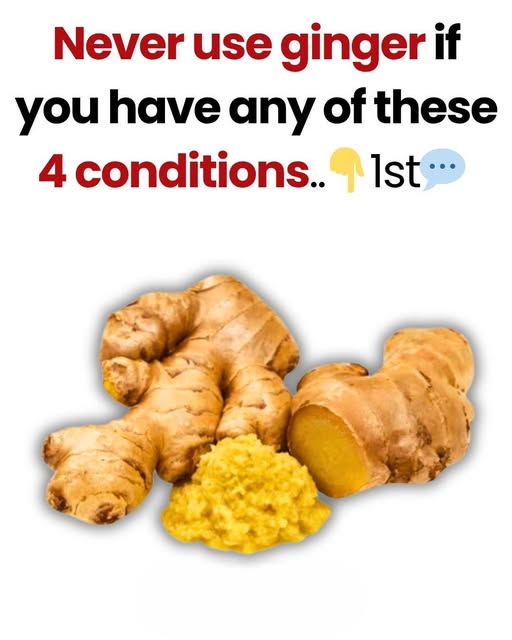
Ginger is generally safe in normal food amounts, but it may not be appropriate for everyone. Learn which health conditions, medications, and situations require caution before using ginger regularly or in concentrated forms.
Ginger has been used for centuries as a food and traditional remedy. It is commonly added to tea, meals, and supplements and is often promoted for nausea, digestion, and other health benefits.
But the idea that everyone should use ginger freely isn’t accurate.
For most healthy adults, normal amounts of ginger used in food are generally well tolerated. However, concentrated ginger supplements or large amounts may interact with certain medications or be inappropriate in particular circumstances.
The important thing is to understand when ginger deserves caution rather than assuming it is always harmless because it is natural.
1. If You Take Blood-Thinning Medication
People taking anticoagulant or antiplatelet medicines should talk with their healthcare professional before regularly using concentrated ginger supplements.
Ginger may have effects on platelet function and blood clotting, and combining it with medicines that already affect clotting could potentially increase bleeding risk.
Examples of medicines that require particular attention include:
- Warfarin
- Apixaban
- Rivaroxaban
- Clopidogrel
- Aspirin
This does not mean you must avoid ginger in ordinary food amounts. The concern is particularly relevant to concentrated preparations and supplements.
Never stop a prescribed blood thinner because of something you read online.
2. If You Have Gallstones
Ginger may stimulate digestive processes, and people with gallstones or gallbladder problems should discuss medicinal or high-dose ginger use with a healthcare professional.
Gallbladder conditions can cause abdominal pain, nausea, and digestive symptoms that may require specific treatment.
If you already have known gallstones, don’t assume that a large amount of ginger tea or ginger supplements are a safe treatment.
3. If You Have a Bleeding Disorder
Anyone with a condition that makes bleeding more likely should be cautious about taking concentrated ginger products.
Because ginger may influence platelet activity, combining it with an existing bleeding tendency or medication that affects clotting could potentially be problematic.
If you have been diagnosed with a bleeding disorder, ask your doctor or pharmacist before starting ginger supplements.
4. If You Are Having Surgery Soon
If you regularly take ginger supplements and have an upcoming operation or procedure, tell your healthcare team.
Some supplements can affect bleeding or interact with medications used around surgery.
Your surgeon or anesthesiologist can tell you whether you should stop a supplement before the procedure and when it is safe to restart it.
Don’t make assumptions about supplements simply because they are herbal or natural.
5. If You Have Diabetes or Take Blood-Sugar-Lowering Medicine
Ginger has been studied for possible effects on blood glucose.
For people taking medication that lowers blood sugar, adding large amounts of ginger or concentrated supplements could potentially contribute to changes in blood glucose.
This doesn’t mean people with diabetes automatically need to avoid ginger in food.
Instead, anyone taking diabetes medication should discuss regular high-dose ginger supplementation with their healthcare professional and monitor blood glucose as recommended.
6. If You Have Very Low Blood Pressure
Some research suggests ginger may have modest effects on blood pressure.
For someone already taking blood-pressure medication or experiencing low blood pressure, concentrated ginger supplements could potentially contribute to dizziness or excessively low readings.
If you regularly feel faint, weak, or dizzy, don’t try to treat the problem with ginger or other supplements without determining the underlying cause.
7. If Ginger Gives You Stomach Problems
Ginger is often used to settle nausea, but more isn’t necessarily better.
Large amounts can cause side effects such as:
- Heartburn
- Stomach discomfort
- Diarrhea
- Mouth irritation
- Abdominal discomfort
If ginger consistently makes your symptoms worse, stop using the concentrated product and discuss persistent symptoms with a healthcare professional.
8. During Pregnancy, Ask Before Using High-Dose Supplements
Ginger is commonly studied and used for pregnancy-related nausea, and food-level amounts are generally different from concentrated supplements.
However, pregnancy is a situation where it is sensible to discuss supplement doses with a healthcare professional, especially if you’re taking other medications or have a medical condition.
Don’t assume that a high-dose herbal supplement is automatically safe simply because ginger is commonly used as a food.
9. If You Are Taking Multiple Medications
Drug interactions can be complicated.
If you’re taking several prescription medicines, over-the-counter drugs, or herbal supplements, adding concentrated ginger can make it harder to predict how everything will interact.
A pharmacist is an excellent person to ask about potential interactions.
Bring a complete list of everything you take, including supplements and herbal teas.
Food Ginger vs. Ginger Supplements
This distinction is extremely important.
Adding a small amount of fresh ginger to a meal or drinking a normal cup of ginger tea is not the same thing as taking a concentrated ginger extract or supplement.
Supplements can provide substantially higher doses than typical culinary use.
Many sensational online headlines fail to make this distinction and can unnecessarily frighten people.
Possible Side Effects of Ginger
Even when ginger is appropriate, some people experience side effects.
These can include:
- Heartburn
- Gas
- Diarrhea
- Abdominal discomfort
- Mouth or throat irritation
Taking very large amounts may increase the likelihood of these effects.
If you develop a serious allergic reaction, severe abdominal pain, unusual bleeding, or another concerning symptom after taking a supplement, seek medical attention.
How Much Ginger Is Safe?
There isn’t one universal dose that is appropriate for everyone.
Safety depends on factors such as:
- Your overall health
- The form of ginger
- The amount consumed
- Other medications
- Pregnancy status
- Existing medical conditions
For ordinary cooking, ginger is generally considered a food rather than a high-dose supplement.
If you’re considering ginger capsules, extracts, or concentrated preparations, follow the product instructions and discuss them with a healthcare professional when you have medical conditions or take prescription medication.
Don’t Believe Every “Natural Remedy” Claim
Ginger can be a useful ingredient and has been studied for several potential health benefits, but it isn’t a cure-all.
It shouldn’t replace prescribed medication or medical treatment for conditions such as diabetes, high blood pressure, gallbladder disease, or bleeding disorders.
Natural products can still have biological effects and interact with medicines.
When to Get Medical Advice
Talk with your doctor or pharmacist before using concentrated ginger supplements if you:
- Take blood thinners
- Take diabetes medication
- Take blood-pressure medication
- Have a bleeding disorder
- Have gallstones or gallbladder problems
- Are pregnant
- Have surgery coming up
- Take multiple medications
The Bottom Line
You don’t necessarily need to “never use ginger.” For most people, ginger used normally as a food is well tolerated.
The greater concern is large amounts, concentrated supplements, and potential interactions with medications or existing medical conditions.
If you have a chronic condition or take prescription medication, ask a healthcare professional before making ginger supplements part of your daily routine. “Natural” doesn’t automatically mean risk-free, and the right amount depends on the individual.