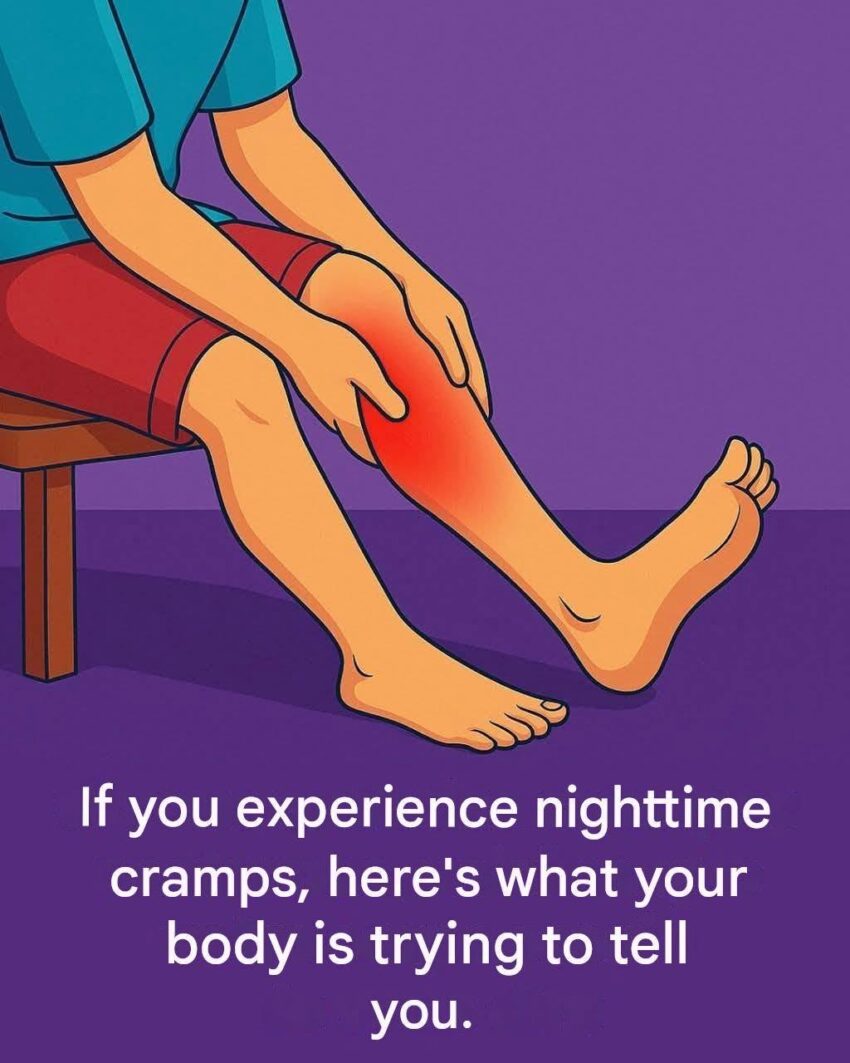
Nighttime leg cramps can cause sudden, painful muscle tightening that wakes you from sleep. Learn common causes, simple natural prevention tips, and when cramps may need medical attention.
Waking up suddenly because your calf or foot has tightened into a painful knot can be extremely uncomfortable. These episodes are commonly called nighttime leg cramps or nocturnal leg cramps. They usually happen during sleep or while resting and can last anywhere from a few seconds to several minutes.
Although occasional cramps are usually harmless, frequent or severe episodes can interfere with sleep and affect your quality of life.
What Are Nighttime Leg Cramps?
A nighttime leg cramp is a sudden, involuntary contraction of a muscle. The calf muscles are affected most often, but cramps can also occur in the feet, thighs, or other parts of the legs.
Unlike ordinary muscle discomfort, a cramp can make the muscle feel extremely tight and hard. After the cramp ends, the area may remain sore for a while.
Why Do Leg Cramps Happen at Night?
There isn’t always one obvious cause. Several factors can contribute to nighttime cramps.
1. Muscle Fatigue
Overworking your legs during the day can increase the likelihood of cramps at night. Long periods of walking, standing, climbing stairs, or exercising may leave muscles tired.
2. Staying in One Position
Sitting or lying in the same position for a long time may contribute to muscle stiffness. Some sleeping positions may also keep the calf muscles shortened for extended periods.
3. Dehydration
Not drinking enough fluids can contribute to muscle problems, particularly when combined with sweating, hot weather, exercise, vomiting, or diarrhea.
4. Electrolyte Imbalances
Minerals such as potassium, magnesium, calcium, and sodium are involved in normal muscle and nerve function. An imbalance can sometimes contribute to muscle cramps.
However, it is important not to assume that every nighttime cramp means you need a magnesium or potassium supplement.
5. Pregnancy
Leg cramps are relatively common during pregnancy, particularly later in pregnancy. Changes in circulation, increased pressure on the legs, muscle fatigue, and other physical changes may all play a role.
6. Certain Medicines
Some medications can increase the risk of muscle cramps in certain people. If cramps started after beginning a new medicine, speak with your doctor or pharmacist rather than stopping the medication yourself.
7. Age-Related Changes
Nighttime leg cramps become more common with age. Changes in muscles, nerves, circulation, and physical activity can all contribute.
What to Do When a Cramp Happens
When a cramp strikes, don’t panic. Try gently lengthening the affected muscle.
For a calf cramp:
- Straighten the affected leg.
- Slowly pull your toes toward your face.
- Hold the stretch gently for several seconds.
- Release and repeat if necessary.
- Once the muscle relaxes, gently massage the area.
Standing up carefully and putting some weight on the affected leg may also help some people.
Avoid aggressively stretching or massaging a muscle that is extremely painful.
Natural Ways to Help Prevent Nighttime Cramps
Stay Hydrated
Drink fluids regularly throughout the day rather than waiting until bedtime to drink a large amount.
Your fluid needs vary depending on your activity level, weather, diet, pregnancy status, and medical conditions.
Stretch Before Bed
A few gentle calf stretches before going to sleep may help reduce muscle tightness.
Try standing facing a wall with one foot behind the other. Keep the back heel on the floor and gently lean forward until you feel a comfortable stretch in the calf.
Hold for around 20–30 seconds without bouncing.
Keep Your Legs Moving During the Day
If you spend many hours sitting, get up periodically and walk around. Gentle movement can help prevent stiffness.
Simple ankle circles, calf raises, and gentle leg stretches may also be useful.
Don’t Suddenly Overwork Your Muscles
If you are starting exercise after being inactive, increase your activity gradually instead of doing an intense workout immediately.
Eat a Balanced Diet
Rather than relying on supplements, focus on a varied diet containing foods that naturally provide essential nutrients.
Examples include:
- Bananas
- Yogurt and milk
- Leafy green vegetables
- Beans and lentils
- Nuts and seeds
- Whole grains
- Fruits and vegetables
If you have kidney disease or another condition requiring dietary restrictions, ask your healthcare professional before significantly increasing potassium, magnesium, or other minerals.
Check Your Sleeping Position
If your feet are constantly pointed downward while sleeping, your calf muscles may remain in a shortened position. Keeping your feet in a comfortable, neutral position may be worth trying.
Should You Take Magnesium for Leg Cramps?
Magnesium supplements are often promoted as a solution for nighttime cramps, but they are not a guaranteed treatment for everyone.
Magnesium may help when someone actually has a deficiency, but taking extra magnesium without a reason is not necessarily beneficial.
Some supplements can also cause diarrhea or interact with certain medications.
If you are pregnant, have kidney problems, or take regular medication, ask your healthcare professional before taking a magnesium supplement.
When Should You See a Doctor?
Occasional nighttime cramps are usually not a major concern. However, speak with a healthcare professional if cramps:
- Happen very frequently
- Are becoming increasingly painful
- Regularly disturb your sleep
- Last for a long time
- Are accompanied by significant muscle weakness
- Occur with swelling, redness, or warmth in one leg
- Begin after starting a new medication
- Are associated with numbness or other unusual symptoms
Seek urgent medical attention if you develop sudden swelling, warmth, redness, and significant pain in one leg, particularly if you also experience chest pain or difficulty breathing.
A Simple Bedtime Routine
For people who frequently experience mild nighttime cramps, a simple routine may be worth trying:
Before bed:
- Drink fluids regularly during the day.
- Take a few minutes to gently stretch your calves.
- Avoid suddenly increasing intense exercise.
- Keep your legs comfortably positioned.
- Make sure your diet includes a variety of nutrient-rich foods.
Small daily habits can sometimes make a meaningful difference.
The Bottom Line
Nighttime leg cramps are common and can happen for many reasons, including muscle fatigue, prolonged positions, dehydration, pregnancy, certain medications, and age-related changes.
When a cramp occurs, gentle stretching and massage can help the muscle relax. For prevention, regular movement, adequate hydration, gentle stretching, and a balanced diet are sensible first steps.
If cramps are frequent, severe, or accompanied by swelling, weakness, numbness, or other concerning symptoms, don’t simply treat them at home—talk with a healthcare professional to determine whether an underlying problem needs attention.