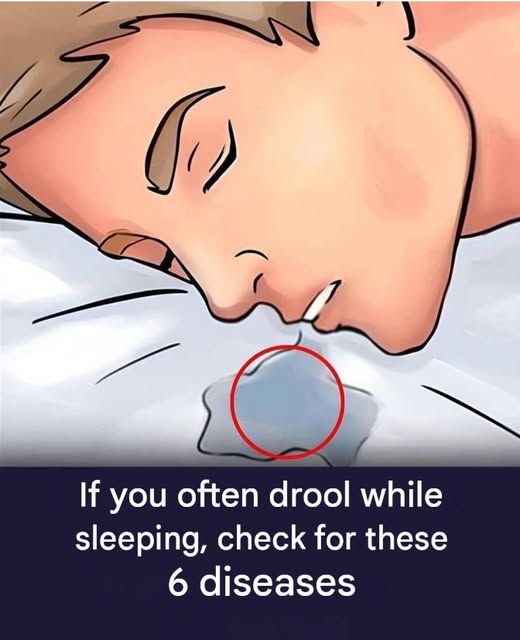
Why does your mouth run while you sleep? Discover the common causes of nighttime drooling, including sleeping position, mouth breathing, nasal congestion, reflux and sleep disorders, plus simple ways to reduce it.
Waking up to a wet pillow can be embarrassing, especially when you have no idea why it happens. But nighttime drooling is actually quite common and, in many cases, isn’t a sign that something is seriously wrong.
While you’re asleep, your swallowing reflexes and facial muscles naturally relax. Saliva can therefore collect inside your mouth and sometimes escape through your lips. Sleeping on your side or stomach can make this more noticeable because gravity allows saliva to flow out more easily.
Still, if you suddenly start drooling much more than usual, or if it happens along with snoring, choking, difficulty swallowing or other symptoms, it’s worth paying attention to the bigger picture.
Why Do We Drool While Sleeping?
Drooling happens when saliva leaves your mouth involuntarily. It can occur because your body produces more saliva, because you aren’t swallowing as frequently during sleep, or because your mouth remains open.
During sleep, the muscles around your mouth and your swallowing reflex become more relaxed. This allows saliva to accumulate. If your lips aren’t completely closed, the saliva may eventually escape onto your pillow.
For many people, this is simply part of normal sleep physiology.
1. Your Sleeping Position May Be the Reason
Your sleeping position can make a surprisingly big difference.
People who sleep on their side or stomach are generally more likely to notice drooling because gravity can pull saliva toward the edge of the mouth. Sleeping on your back may reduce leakage because saliva tends to remain inside the mouth more easily.
That doesn’t mean you have to force yourself to sleep on your back. If another sleeping position is more comfortable, addressing the underlying reason for mouth opening may be more useful.
2. You May Be Breathing Through Your Mouth
A blocked nose can make nasal breathing difficult. When this happens, some people naturally begin breathing through their mouth while sleeping.
Mouth breathing can leave the lips partially open, making it easier for saliva to escape.
Nasal congestion may be related to allergies, a cold, sinus problems or other causes of restricted nasal airflow. If you frequently wake with a dry mouth, stuffy nose and wet pillow, mouth breathing may be contributing to the problem.
3. Nasal Congestion Can Play a Role
Allergies and respiratory infections can make the nose feel blocked. When your nose isn’t allowing comfortable airflow, your body may compensate by breathing through your mouth.
This can contribute to nighttime drooling, particularly if the mouth remains open for several hours.
If your drooling appeared around the same time as congestion, sneezing, a runny nose or other nasal symptoms, improving the underlying nasal problem may help.
4. Acid Reflux May Be Involved
Gastroesophageal reflux disease, commonly called GERD, can sometimes be associated with excessive saliva production.
When reflux irritates the esophagus or throat, the body may produce additional saliva as part of its protective response. Cleveland Clinic lists GERD among conditions that can contribute to drooling.
If nighttime drooling occurs together with heartburn, sour taste, throat irritation or frequent nighttime discomfort, discussing the symptoms with a healthcare professional may be worthwhile.
5. Certain Medications Can Increase Drooling
Some medications can affect saliva production, swallowing or muscle control.
If your nighttime drooling began after starting a new medication, don’t stop the medication on your own. Instead, ask your doctor or pharmacist whether increased saliva or drooling can be a side effect.
A medication review can sometimes help identify a contributing factor.
6. Sleep Disorders Can Sometimes Be Connected
Drooling by itself doesn’t automatically mean you have a sleep disorder. However, it can occur alongside conditions that affect nighttime breathing or sleep quality.
For example, loud snoring and interrupted breathing can occur with obstructive sleep apnea. NHS guidance notes that snoring may be related to temporary blockage of the airways during sleep.
Pay particular attention if someone tells you that you:
- Snore loudly.
- Stop breathing briefly during sleep.
- Gasp or choke during the night.
- Wake up repeatedly.
- Feel unusually tired during the day.
- Wake with headaches or a very dry mouth.
These symptoms deserve medical attention because treating the underlying sleep problem may be more important than treating the drooling itself.
7. Difficulty Swallowing Can Cause Excessive Drooling
Another possibility is that saliva is being produced normally but isn’t being swallowed effectively.
Difficulty controlling the muscles involved in swallowing can allow saliva to accumulate and eventually leak from the mouth. Cleveland Clinic notes that problems with swallowing or muscle control can contribute to drooling.
This is more concerning if drooling is new or severe and occurs while you’re awake as well as asleep.
Is Drooling While Sleeping Normal?
For many people, yes.
Occasional nighttime drooling isn’t necessarily a health problem. Sleep naturally reduces swallowing and relaxes facial muscles, which allows saliva to collect.
The important question is whether the drooling is occasional and mild or whether it is new, persistent, severe or accompanied by other symptoms.
A wet pillow once in a while usually isn’t something to panic about.
How Can You Reduce Nighttime Drooling?
There are several simple things you can try.
Try Adjusting Your Sleeping Position
If you normally sleep on your stomach or side, experimenting with a slightly different position may reduce saliva leakage.
Sleeping with your head somewhat elevated can also be helpful for some people. An NHS hospital guide on nighttime saliva suggests a more upright sleeping position rather than lying completely flat.
Keep Your Nose Comfortable and Clear
If nasal congestion is causing mouth breathing, addressing the congestion may help you breathe more comfortably through your nose.
For allergies or persistent nasal blockage, speak with a healthcare professional about appropriate treatment rather than relying on unproven remedies.
Maintain Good Sleep Habits
Poor-quality or disrupted sleep can contribute to a range of sleep-related problems.
Aim for a consistent sleep schedule and enough sleep each night. Good sleep habits can also help when other sleep disturbances are present.
Protect Irritated Skin
If saliva repeatedly wets the skin around your mouth, the area can become irritated.
Gently pat the skin dry rather than rubbing it aggressively. An NHS hospital guide also notes that saliva leakage can contribute to irritation around the corners of the mouth.
When Should You Talk to a Doctor?
Occasional drooling usually isn’t alarming. However, make an appointment with a healthcare professional if the problem is persistent, severe or suddenly different from your usual pattern.
It’s especially important to seek medical advice if drooling occurs with:
- Difficulty swallowing.
- Choking or coughing while eating or drinking.
- New weakness or problems controlling facial muscles.
- Significant speech changes.
- Frequent nighttime choking or gasping.
- Loud, persistent snoring.
- Episodes of interrupted breathing.
- Severe daytime sleepiness.
- New neurological symptoms.
- Drooling that suddenly appears in adulthood.
Sudden excessive drooling accompanied by neurological symptoms such as facial weakness, difficulty speaking or weakness on one side of the body requires urgent medical evaluation.
The Bottom Line
A wet pillow doesn’t necessarily mean something is wrong with your health. In many cases, nighttime drooling happens because swallowing slows down during sleep, facial muscles relax and saliva escapes more easily—especially when you’re sleeping on your side or stomach.
However, persistent or newly severe drooling shouldn’t simply be ignored. Nasal congestion, mouth breathing, reflux, medications, swallowing difficulties and sleep-related breathing problems can all contribute.
So the next time you wake up with a damp pillow, don’t immediately assume the worst. Look at the bigger picture: How well are you breathing at night? Are you congested? Do you snore? Are you experiencing reflux or swallowing problems?
Those clues can help explain what’s really happening while you’re asleep—and when it may be time to get professional advice.