Meta Title: 5 Warning Signs That Cancer May Be Developing in Your Body
Meta Description: Learn about five possible warning signs associated with cancer and why persistent or unexplained symptoms should be evaluated by a healthcare professional.
5 Warning Signs That Cancer May Be Developing in Your Body
Cancer does not always cause obvious symptoms in its early stages. Some changes may be caused by something harmless, while others can be signs of a condition that needs medical attention.
Knowing what to watch for can help you recognize unusual changes and discuss them with a healthcare professional sooner.
Importantly, having one of these symptoms does not mean you have cancer. Many common illnesses and non-cancerous conditions can cause similar symptoms. The key is to pay attention when a symptom is unusual for you, unexplained, persistent, or getting worse.
1. Unexplained Weight Loss
Losing weight without intentionally changing your diet or activity level can have many causes.
Stress, digestive problems, thyroid disorders, infections, medication changes, and other health conditions can all contribute to unexpected weight loss. In some cases, unexplained weight loss can also occur with cancer.
If you’re losing a noticeable amount of weight without trying, especially when the weight loss continues, make an appointment with a healthcare professional to determine the cause.
2. Unusual or Persistent Bleeding
Unexpected bleeding should not simply be ignored.
Depending on where it occurs, blood may appear in:
- Stool
- Urine
- Vomit
- Cough or mucus
- Vaginal bleeding outside a person’s expected menstrual pattern
Some causes are relatively minor, such as hemorrhoids, urinary infections, or certain medications. However, unexplained or recurring bleeding can sometimes be associated with cancer.
The location, amount, and circumstances surrounding the bleeding matter, so medical evaluation is important.
3. A New Lump or Unusual Swelling
A new lump or swelling anywhere on the body deserves attention, particularly if it persists or changes.
Many lumps are harmless. For example, cysts, infections, and other benign conditions can produce noticeable masses.
However, certain cancers can also cause lumps or enlarged lymph nodes.
Don’t try to diagnose a lump based on how it feels alone. A healthcare professional can examine it and determine whether further testing is necessary.
4. Persistent Changes in Bowel or Bladder Habits
Changes in your normal bathroom habits can have many explanations.
You might notice:
- Persistent constipation or diarrhea
- A change in stool appearance
- Needing to urinate more frequently
- Difficulty urinating
- Pain or burning during urination
- Blood in the urine or stool
Temporary changes are common, especially after dietary changes or an infection. But persistent or unexplained changes should be discussed with a healthcare professional.
5. A Persistent Cough or Unexplained Voice Change
A cough caused by a cold or respiratory infection usually improves as the underlying illness resolves.
A cough that doesn’t go away, repeatedly returns without an obvious explanation, or is accompanied by symptoms such as coughing up blood, chest pain, or unexplained weight loss deserves medical attention.
Likewise, a persistent change in your voice should be evaluated, especially when it doesn’t improve.
Other Changes You Shouldn’t Ignore
There are other potential warning signs that can occur depending on the type and location of cancer.
These can include persistent fatigue, difficulty swallowing, ongoing unexplained pain, changes in a mole or other skin lesion, persistent indigestion, or recurring fever or night sweats.
However, these symptoms are not specific to cancer and can occur with many other conditions.
When Should You See a Doctor?
A useful rule is to pay attention to changes that are:
- New
- Unexplained
- Persistent
- Getting worse
- Different from your normal health pattern
Don’t wait for a symptom to become severe before seeking advice.
If you have severe symptoms such as significant bleeding, difficulty breathing, severe chest pain, confusion, or sudden weakness, seek urgent medical care.
Screening Is Different From Waiting for Symptoms
It’s also important to understand that cancer screening can detect certain cancers before symptoms appear.
Depending on your age, sex, family history, and personal risk factors, a healthcare professional may recommend screening for cancers such as breast, cervical, colorectal, or lung cancer.
Screening recommendations vary, so discuss them with your healthcare provider.
The Bottom Line
Cancer can cause many different symptoms, but no single symptom proves that cancer is developing in the body.
Unexplained weight loss, unusual bleeding, persistent lumps, ongoing bowel or bladder changes, and persistent coughs or voice changes are examples of changes that shouldn’t be dismissed when they don’t have an obvious explanation.
The safest approach is not to panic—but also not to ignore persistent changes.
If something about your health has changed and you aren’t sure why, speaking with a qualified healthcare professional is the best way to find out what is really happening.
Meta Title: Warts Fall Off Like Leaves? What Really Works for Removing Warts
Meta Description: Learn about safe and effective wart treatments, why popular home remedies may not work, and when a wart should be checked by a healthcare professional.
Warts Fall Off Like Leaves With This Simple Home Remedy? Here’s What You Should Know
Warts can be stubborn, uncomfortable, and frustrating to deal with. It’s understandable that people look for simple home remedies that promise to make a wart disappear quickly.
You may have seen claims that a common household ingredient can make warts “fall off like leaves.” While some home treatments may help certain warts gradually disappear, there is no guaranteed remedy that safely removes every wart overnight.
Understanding what causes warts and which treatments have evidence behind them can help you avoid irritating or damaging your skin.
What Exactly Is a Wart?
A wart is a small growth of skin caused by certain types of human papillomavirus (HPV).
Warts can appear on different parts of the body, including the hands, fingers, feet, and around the nails. Plantar warts, for example, develop on the soles of the feet and may become uncomfortable when walking.
Warts are contagious and can spread through direct contact or by sharing items that have come into contact with the wart.
Can Warts Disappear on Their Own?
Yes.
Many common warts eventually disappear without treatment because the immune system can recognize and fight the virus responsible for them.
However, this can take months or even longer.
Because warts can be persistent, people often choose treatment to remove them sooner or because the wart is painful, bothersome, or cosmetically unwanted.
What About Home Remedies?
There are numerous online remedies involving ingredients such as vinegar, garlic, essential oils, or other household substances.
Some may cause the wart to peel or become irritated, but that doesn’t necessarily mean the underlying infection has been eliminated.
More importantly, applying strong or irritating substances can cause chemical burns, skin irritation, infection, or scarring, particularly on sensitive skin.
Never apply a substance to a wart simply because an online post claims it will make the wart disappear.
An Evidence-Based Option: Salicylic Acid
One of the commonly recommended over-the-counter treatments for certain warts is salicylic acid.
It works by gradually removing layers of thickened skin.
Treatment generally takes patience and consistent use rather than producing an immediate result. Follow the product instructions carefully and avoid applying it to healthy surrounding skin whenever possible.
People with diabetes, poor circulation, reduced sensation in their feet, or certain other medical conditions should ask a healthcare professional before treating foot warts themselves.
Don’t Cut or Burn a Wart Yourself
It can be tempting to cut, scrape, burn, or aggressively pull at a wart when you want it gone quickly.
This can lead to bleeding, infection, scarring, and potentially spreading the virus to nearby skin.
Professional treatments are safer when a wart is difficult to treat or when its diagnosis is uncertain.
When Should a Doctor Examine a Wart?
Not every skin growth that looks like a wart actually is a wart.
Have a healthcare professional examine it if:
- You aren’t sure what the growth is.
- It is bleeding without an obvious reason.
- It changes in appearance.
- It becomes very painful.
- It grows rapidly.
- It repeatedly returns after treatment.
- It is located on the face or genitals.
- You have a weakened immune system.
A healthcare professional can determine whether it is actually a wart and recommend an appropriate treatment.
How Can You Reduce the Spread of Warts?
If you have a wart, avoid picking or scratching it.
Wash your hands after touching the affected area, don’t share personal items such as towels or nail tools, and avoid shaving directly over a wart.
Keeping the area covered when appropriate may also reduce the chance of spreading it to other parts of your body.
The Bottom Line
The idea of a simple kitchen remedy making warts “fall off like leaves” sounds appealing, but there is no miracle home treatment guaranteed to remove warts instantly.
For appropriate warts, treatments such as salicylic acid may gradually help, while persistent or unusual growths should be evaluated by a healthcare professional.
The safest approach is to treat the wart gently, avoid corrosive DIY remedies, and get medical advice if you’re uncertain about the growth or if it doesn’t respond to treatment.
No-Bake Creamy Blender Dessert
Meta Title: No-Bake Creamy Blender Dessert – Easy 5-Minute Recipe
Meta Description: Make this irresistibly creamy no-bake blender dessert in just minutes. A simple, smooth and delicious treat that requires no oven and minimal ingredients.
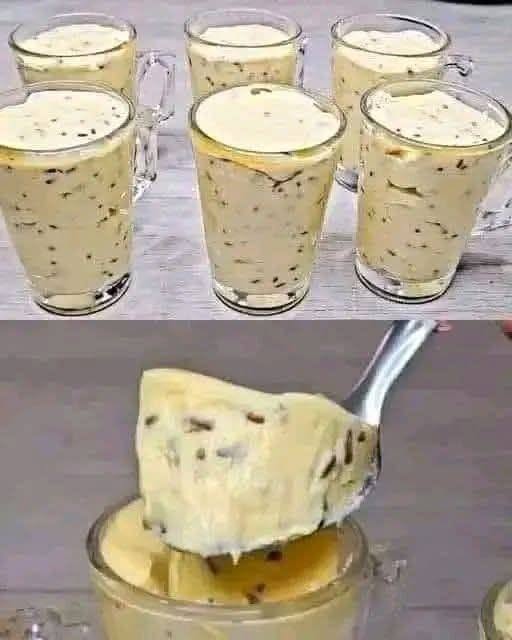
No-Bake Creamy Blender Dessert
When you want something sweet but don’t want to turn on the oven, this no-bake creamy blender dessert is the perfect solution. It’s smooth, rich, and incredibly easy to prepare.
The best part is that most of the work happens in the blender. Simply add the ingredients, blend until silky smooth, chill, and serve.
Ingredients
- 1 cup heavy cream
- 1 cup sweetened condensed milk
- 8 oz cream cheese, softened
- 1 teaspoon vanilla extract
- 1 tablespoon lemon juice
- 1 cup crushed cookies or graham crackers
- 2 tablespoons melted butter
- Fresh berries or fruit for topping
Instructions
Step 1: Prepare the Base
Combine the crushed cookies and melted butter in a bowl. Mix until the crumbs are evenly coated.
Press the mixture into the bottom of small dessert glasses or a serving dish. Place it in the refrigerator while preparing the creamy filling.
Step 2: Blend the Creamy Filling
Add the softened cream cheese, heavy cream, condensed milk, vanilla extract, and lemon juice to a blender.
Blend until the mixture becomes completely smooth and creamy.
Don’t overblend once everything is combined.
Step 3: Assemble
Remove the cookie base from the refrigerator.
Pour the creamy mixture evenly over the crust. Smooth the surface with the back of a spoon if necessary.
Step 4: Chill
Cover and refrigerate for at least 3–4 hours, or until the dessert is firm enough to serve.
For an even better texture, you can leave it refrigerated overnight.
Step 5: Add the Topping
Just before serving, add fresh strawberries, blueberries, raspberries, or another fruit of your choice.
You can also sprinkle a few cookie crumbs over the top for extra texture.
Why You’ll Love This Dessert
This recipe is especially convenient because it:
- Requires no oven
- Uses a blender for quick preparation
- Needs only a few basic ingredients
- Can be prepared ahead of time
- Has a smooth, creamy texture
- Works well for family gatherings and parties
Easy Variations
You can easily change the flavor depending on what you have available.
Chocolate: Add a few tablespoons of cocoa powder to the blender.
Strawberry: Blend fresh or freeze-dried strawberries into the filling.
Lemon: Add a little extra lemon zest for a brighter citrus flavor.
Coconut: Sprinkle shredded coconut over the finished dessert.
Chocolate Cookie: Replace the regular cookie base with crushed chocolate sandwich cookies.
Helpful Tips
Make sure the cream cheese is softened before blending. Cold cream cheese can leave small lumps in the mixture.
Don’t skip the chilling time. The refrigerator allows the dessert to firm up and develop a better texture.
If you’re serving the dessert at a gathering, prepare it the night before. This makes it an excellent make-ahead dessert.
Final Thoughts
This no-bake creamy blender dessert proves that you don’t need complicated ingredients or hours in the kitchen to make something delicious.
With a buttery cookie base, silky cream filling, and fresh fruit topping, it’s an easy dessert that’s creamy, refreshing, and perfect for almost any occasion.
Blend it, chill it, top it, and enjoy.