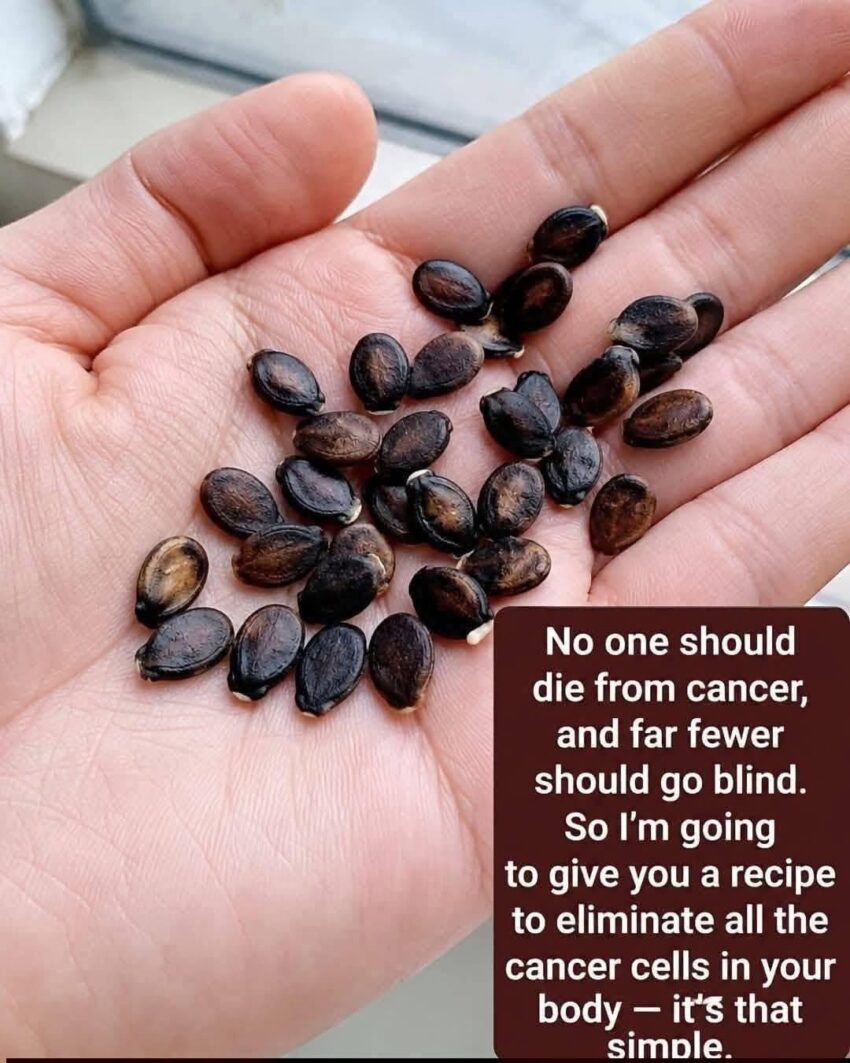
Can a natural recipe eliminate cancer cells or restore vision? Learn what science actually says about nutrition, cancer treatment, eye health, and why miracle-cure claims can be dangerous.
Cancer is one of the most frightening diagnoses a person can receive. It is understandable that people search for foods, drinks, supplements, and home remedies that might offer hope.
But there is an important distinction between supporting the body during cancer care and claiming that a particular recipe can eliminate every cancer cell.
At present, there is no single food, drink, tea, juice, or homemade recipe proven to eliminate all cancer cells from the human body.
That does not mean nutrition is unimportant. In fact, eating well can play an important role in maintaining strength, supporting recovery, and helping some people tolerate treatment.
The key is knowing where supportive nutrition ends and unsupported medical claims begin.
Can a Recipe Really Kill All Cancer Cells?
Cancer is not one single disease.
There are many different types of cancer, and they can behave very differently depending on the organ involved, the stage of the disease, genetic characteristics, and other factors.
Because of this complexity, a single recipe cannot be expected to work against every cancer.
Some compounds found in foods have shown interesting effects in laboratory or animal research. Researchers continue to study these substances because they may eventually contribute to new treatments.
However, an effect seen in a laboratory dish does not automatically mean that eating the food will produce the same effect in a person.
The dose, absorption, metabolism, and interaction with medications can all be very different.
Food Can Support the Body Without Replacing Treatment
A nutritious diet can still be valuable during cancer treatment.
Depending on the individual’s condition and treatment plan, a balanced eating pattern can help provide:
- Protein for maintaining muscle
- Calories for energy
- Vitamins and minerals
- Fiber and fluids
- Healthy fats
- Nutrients needed for normal body functions
Some people undergoing treatment may struggle with appetite, nausea, taste changes, swallowing difficulties, or digestive problems.
In those situations, nutrition needs can be highly individual.
A doctor or registered dietitian who understands oncology can help determine what foods are appropriate.
What About Ingredients Advertised as “Cancer Killers”?
You may see recipes online containing ingredients such as garlic, turmeric, ginger, green tea, berries, citrus fruits, or various herbs.
Many of these foods contain biologically active compounds, and some have been investigated for possible effects on cancer-related pathways.
That research is interesting—but it should not be confused with proof that the ingredient can cure cancer.
For example, laboratory research may show that a compound affects cancer cells under controlled conditions. That does not establish that drinking a homemade mixture containing the same compound will eliminate tumors in a person.
This distinction is extremely important.
Be Careful With “Natural Cure” Claims
The word natural does not automatically mean safe or effective.
Some herbs and supplements can interact with chemotherapy, radiation, surgery, blood-thinning medication, or other prescription drugs.
Certain concentrated supplements may also cause side effects or affect the liver or kidneys.
For someone receiving cancer treatment, starting a strong herbal mixture without discussing it with the medical team can therefore be risky.
Cancer Treatment Has Become Increasingly Personalized
Modern cancer care may involve several different approaches depending on the type and stage of cancer.
Treatment can include surgery, radiation therapy, chemotherapy, targeted therapy, immunotherapy, hormone therapy, or combinations of these approaches.
Doctors may also use testing to understand specific characteristics of a person’s cancer and determine which treatments are most appropriate.
This is very different from the idea that one universal recipe can treat every cancer.
And What About Going Blind?
The original claim also connects cancer with blindness, but vision loss has many possible causes.
Some eye problems are related to aging, diabetes, glaucoma, cataracts, retinal disease, infections, injuries, or other medical conditions.
Sudden changes in vision should never be treated with a homemade drink or eye remedy.
If someone suddenly loses vision, develops severe eye pain, experiences new flashes or a large number of floaters, or notices a curtain-like shadow across their vision, they should seek urgent medical attention.
What Can You Safely Do at Home?
Rather than searching for a miracle cancer cure, focus on habits that genuinely support overall health.
1. Eat a varied diet
Include vegetables, fruits, whole grains, beans, nuts, seeds, and appropriate sources of protein when tolerated.
2. Stay hydrated
Adequate fluids are especially important when illness or treatment increases the risk of dehydration.
3. Avoid unnecessary supplements
More is not always better. Discuss supplements and herbal products with your healthcare team before using them during cancer treatment.
4. Follow the prescribed treatment plan
Do not stop chemotherapy, radiation, medication, or another cancer treatment because an online recipe promises a cure.
5. Report new symptoms
Changes in vision, unexplained weight loss, persistent pain, unusual bleeding, severe weakness, or other concerning symptoms deserve professional evaluation.
The Most Important Message
People facing cancer deserve hope—but they also deserve accurate information.
A recipe can be nutritious. Certain foods may contain compounds that scientists are studying. A healthy diet can support the body.
But none of those facts should be turned into a promise that a homemade recipe will eliminate every cancer cell.
When cancer is involved, the safest approach is to combine evidence-based medical treatment with appropriate nutrition and supportive care.
There may not be a magical recipe that removes cancer overnight, but there are real medical advances, better treatments, and supportive strategies that can make a meaningful difference.
And that is a message worth sharing—because people dealing with cancer need hope that is grounded in reality, not promises that could put their health at risk.