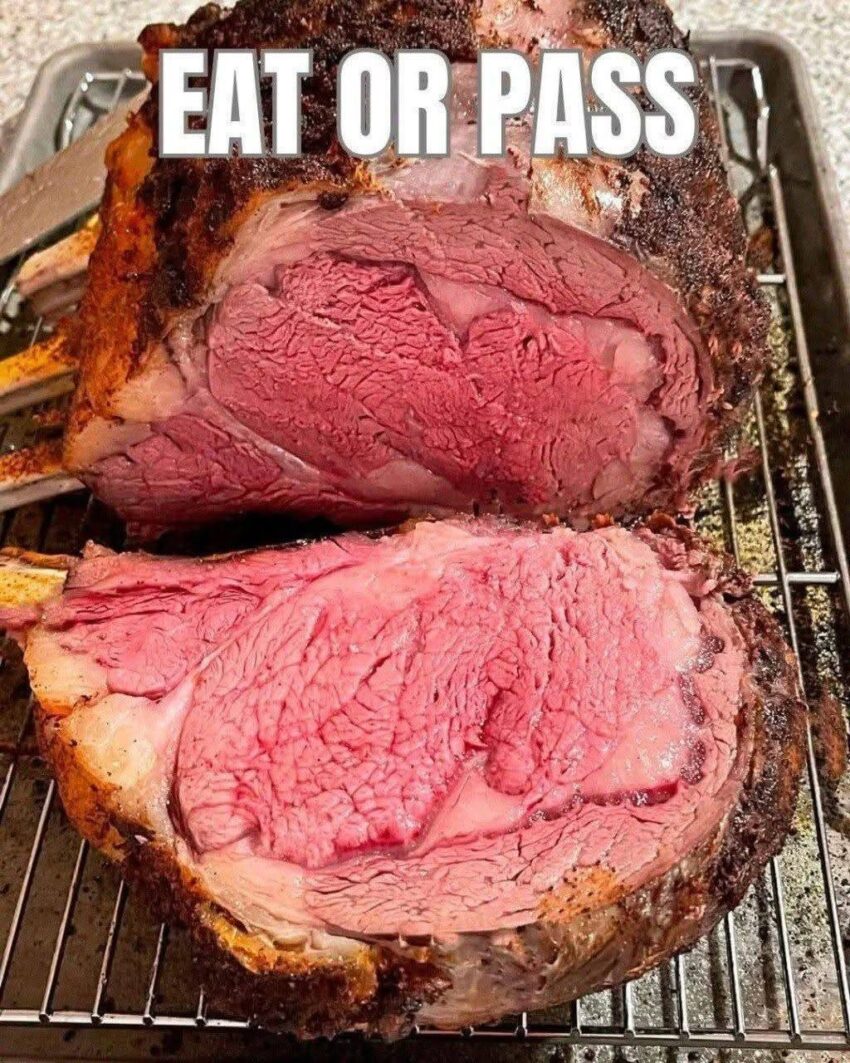
This Pepper Parm Prime Rib is a juicy, tender beef roast covered in a savory Parmesan and cracked black pepper crust. Perfect for holidays, Sunday dinners, and special occasions.
There are few dinner dishes that make a table feel as special as a beautifully roasted prime rib. This Pepper Parm Prime Rib takes that classic centerpiece and gives it an extra layer of flavor with a rich crust made from butter, freshly grated Parmesan cheese, and plenty of coarse black pepper.
The outside develops a deeply savory, peppery crust while the center stays tender and juicy. It is an impressive recipe for Christmas, Thanksgiving, birthdays, family celebrations, or any dinner where you want the main course to be the star.
Why You’ll Love This Recipe
This prime rib is surprisingly simple despite its impressive appearance. You do not need a long list of complicated ingredients. The natural flavor of the beef does most of the work, while Parmesan, butter, salt, and black pepper create a flavorful crust.
Starting the roast at a high temperature helps develop that beautiful browned exterior. The oven temperature is then reduced so the center can cook more gently and evenly.
For the most reliable results, use an instant-read or oven-safe meat thermometer rather than relying only on cooking time. Prime rib size and oven performance can vary considerably.
Ingredients
For the Prime Rib
- 1 bone-in prime rib roast, approximately 5 pounds
- 5 teaspoons kosher salt
- 4 tablespoons unsalted butter, very soft
- ½ cup freshly grated Parmesan or Parmigiano-Reggiano
- 2 rounded tablespoons coarsely ground black pepper
- 2 cups beef broth
- 2 cups water
For Serving
- Fresh parsley, optional
- Extra Parmesan, optional
- Pan juices
- Creamy horseradish sauce, optional
- Mashed potatoes or roasted vegetables
How to Make Pepper Parm Prime Rib
1. Prepare the Roast
Remove the prime rib from the refrigerator and allow it to sit at room temperature for about an hour before roasting.
Pat the surface thoroughly dry with paper towels. Removing excess moisture helps the seasoning adhere to the beef and encourages better browning.
If the roast has a thick layer of fat or a tough membrane on the surface, trim or score it as needed. Scoring the surface can also help the seasoning penetrate more effectively.
2. Season the Beef
For the best flavor, you can salt the roast several hours ahead or the night before cooking. Place it uncovered in the refrigerator after salting, then allow it to sit at room temperature before roasting.
When you’re ready to cook, combine the softened butter, Parmesan cheese and coarsely ground black pepper.
Mix until you have a thick, spreadable paste.
Rub this mixture generously over the entire roast. Try to create an even coating, particularly over the top and sides.
The Parmesan adds a nutty, savory flavor while the coarse black pepper gives the roast its distinctive bite.
3. Prepare the Roasting Pan
Preheat your oven to 450°F (230°C).
Place the prime rib on a roasting rack with the bone side down. The bones can act as a natural rack and help keep the meat elevated from the bottom of the pan.
Pour the beef broth and water into the bottom of the roasting pan, making sure the liquid does not cover the meat.
The liquid will also collect flavorful drippings that can be turned into a simple pan jus.
4. Start With High Heat
Place the roast in the preheated oven and cook at 450°F for approximately 20 minutes.
This initial blast of heat helps create a deeply browned exterior and gives the Parmesan-pepper coating a delicious roasted flavor.
5. Reduce the Oven Temperature
After the first 20 minutes, reduce the oven temperature to 325°F (165°C).
Continue roasting until the beef reaches your desired internal temperature.
Cooking time can vary significantly depending on the size and shape of the roast, so use the thermometer as your main guide rather than relying strictly on minutes per pound.
For a medium-rare center, many versions of this recipe remove the roast around 120°F (49°C), allowing the temperature to rise during resting.
6. Let the Roast Rest
Once the prime rib reaches the desired temperature, remove it from the oven.
Loosely tent it with foil and allow it to rest for at least 20 minutes.
Do not skip this step. Resting gives the juices time to redistribute throughout the meat, helping the slices remain juicy instead of losing a large amount of moisture onto the cutting board.
7. Carve the Prime Rib
Transfer the roast to a cutting board.
If using a bone-in roast, carefully cut along the bones to separate the meat from the rack. Then slice the roast into thick portions.
For a dramatic presentation, you can serve each portion with a rib bone attached.
Spoon some of the flavorful pan juices over the sliced beef just before serving.
What Does Pepper Parm Prime Rib Taste Like?
The combination is rich, savory and intensely beefy.
The prime rib provides a naturally rich flavor and tender texture, while the Parmesan creates a salty, nutty depth. Coarsely ground black pepper adds warmth and a slight bite without overpowering the beef.
The result is a roast with a flavorful crust and a tender center that works beautifully with creamy, starchy or roasted side dishes.
What to Serve With Pepper Parm Prime Rib
Because prime rib is rich, it pairs especially well with sides that provide either creaminess or freshness.
Try serving it with:
- Garlic mashed potatoes
- Roasted potatoes
- Creamed spinach
- Roasted carrots
- Green beans
- Yorkshire pudding
- Fresh garden salad
- Roasted Brussels sprouts
- Creamy horseradish sauce
- Homemade au jus
For a holiday dinner, mashed potatoes, roasted vegetables and a simple green salad make an excellent combination.
Tips for the Best Prime Rib
Use a Meat Thermometer
This is one of the most important tips. Oven temperatures and roast sizes vary, so checking the internal temperature is much more reliable than following a fixed cooking time.
Use Freshly Grated Parmesan
Freshly grated Parmesan or Parmigiano-Reggiano gives the crust a better texture and stronger flavor than very fine pre-grated cheese.
Don’t Overcook the Roast
Prime rib is an expensive cut of beef, so avoid guessing when it is done. Monitor the internal temperature closely toward the end of cooking.
Don’t Rush the Resting Period
A beautifully cooked roast can lose much of its juiciness if it is carved immediately. Give it time to rest before slicing.
Season Ahead When Possible
Salting the roast ahead of time can give the seasoning more opportunity to penetrate the surface. Keeping the roast uncovered in the refrigerator also helps dry the exterior, which can encourage better browning.
Can I Prepare Prime Rib Ahead of Time?
You can season the roast ahead of time, which is actually helpful for developing flavor.
Prepare the seasoning mixture and coat the beef according to the recipe. If salting overnight, keep the roast refrigerated and uncovered on a suitable tray or rack.
For the best texture and juiciness, roast the prime rib on the day you plan to serve it.
How to Store Leftovers
Allow leftover beef to cool and refrigerate it promptly in a covered container.
Properly stored leftovers can be sliced thinly and used for sandwiches, wraps or salads. You can also warm the slices gently with a little beef broth or pan juice.
Avoid overheating leftover prime rib, as excessive heat can make the beef dry and tough.
Frequently Asked Questions
Can I use a boneless prime rib?
Yes. A boneless roast can be used, although the cooking time may differ from a bone-in roast. The internal temperature should remain your primary guide.
Can I use regular black pepper?
Yes, but coarsely cracked black pepper is especially good for this recipe because it creates a more noticeable pepper crust.
Why is Parmesan added to prime rib?
Parmesan brings salty, nutty and savory flavor to the outside of the roast. Combined with butter and black pepper, it creates a flavorful crust that contrasts beautifully with the tender beef.
How long should prime rib rest?
Allowing the roast to rest for around 20 minutes is a good starting point. Larger roasts may benefit from a somewhat longer resting period.
What is the best sauce for prime rib?
A simple pan jus is excellent because it uses the flavorful drippings from the roast. Creamy horseradish sauce is another classic choice because its sharp flavor balances the richness of the beef.
Final Thoughts
Pepper Parm Prime Rib is the kind of recipe that turns an ordinary dinner into a special occasion. The combination of tender beef, buttery Parmesan and cracked black pepper creates a memorable crust while keeping the preparation relatively simple.
The most important secrets are to season the roast well, begin with high heat, lower the temperature for the remainder of cooking, monitor the internal temperature and give the roast enough time to rest before carving.
Serve it with mashed potatoes, roasted vegetables and plenty of pan juices, and you have an impressive dinner that is perfect for sharing with family and guests.