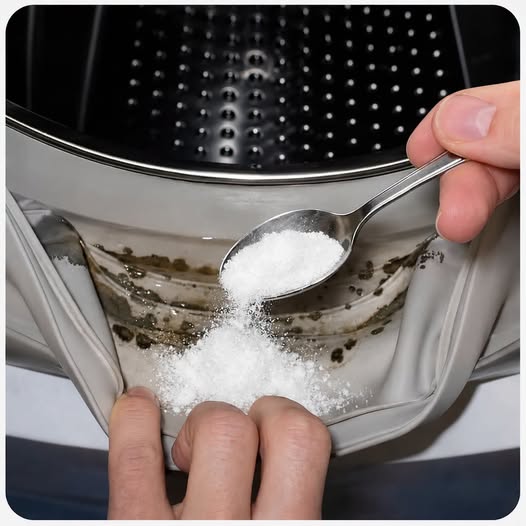
Learn a simple and safer way to clean a smelly washing machine, reduce limescale buildup, and tackle mold around the drum and door seal without relying on harsh mixtures.
A washing machine can clean hundreds of loads of clothes, but over time, detergent residue, fabric softener, moisture, and mineral deposits can build up inside the machine.
Eventually, you may notice something unpleasant: your freshly washed clothes don’t smell as fresh as they should.
You might even notice a musty odor when you open the door.
This is usually a sign that your washing machine itself needs cleaning.
Why Does a Washing Machine Start Smelling?
The inside of a washing machine stays damp after every cycle. When the door or lid is closed immediately after washing, moisture can remain trapped inside.
Combined with detergent residue, lint, hair, and other buildup, this creates an environment where unpleasant odors can develop.
The rubber door gasket on front-loading machines is particularly prone to collecting water and residue.
That’s why simply running another load of laundry doesn’t necessarily solve the problem.
What Can You Use Instead of Vinegar?
Rather than creating a homemade mixture of several cleaning ingredients, a better option is to use a washing-machine cleaner or descaling product specifically designed for your machine.
These products are formulated to help remove detergent residue, mineral deposits, and unpleasant odors while being intended for use in washing machines.
If your machine’s manufacturer recommends a particular cleaning or descaling product, follow those instructions first.
For Regular Maintenance
For routine cleaning:
- Make sure the washing machine is empty.
- Check the manufacturer’s instructions for the machine-cleaning cycle.
- Add the recommended washing-machine cleaner in the specified compartment or directly into the drum, depending on the product instructions.
- Run the recommended cleaning cycle.
- When finished, leave the door or lid open so the interior can dry completely.
Never exceed the recommended amount.
Don’t Forget the Rubber Seal
Cleaning the drum alone isn’t always enough.
On front-loading machines, carefully inspect the rubber door seal. Pull the folds back gently and look for:
- Hair
- Lint
- Detergent residue
- Small objects
- Standing water
- Dark or slimy buildup
Wipe the gasket thoroughly with a clean damp cloth.
If you see significant mold growth that doesn’t come away easily, follow your washing machine manufacturer’s cleaning instructions or consider professional cleaning.
Clean the Detergent Drawer Too
The detergent drawer is another place where residue can accumulate.
Remove the drawer if your machine allows it and rinse it under warm water.
Use an old soft toothbrush to loosen stubborn detergent buildup.
Clean the compartment where the drawer sits as well. Allow everything to dry before putting the drawer back.
What About Limescale?
Hard water contains minerals such as calcium and magnesium. Over time, these minerals can form deposits inside appliances.
A washing-machine descaler designed for your machine can help address mineral buildup.
Follow the product instructions carefully because different products have different concentrations and usage instructions.
If you live in an area with particularly hard water, regular descaling may be especially useful.
Never Mix Cleaning Chemicals
This is one of the most important rules when cleaning your washing machine.
Never mix bleach with vinegar, acids, ammonia, or other cleaning chemicals.
Some combinations can produce dangerous fumes.
You also shouldn’t assume that because two ingredients are commonly used for household cleaning, they are safe to combine inside a washing machine.
When in doubt, use one appropriate cleaning product at a time and follow its label.
The Simple Habit That Prevents Bad Smells
One of the easiest ways to keep your washing machine fresher is surprisingly simple:
Leave the door or lid open after each wash.
This allows moisture to evaporate instead of remaining trapped inside the machine.
Also try to:
- Remove wet clothes promptly.
- Wipe excess water from the door seal.
- Clean the detergent drawer regularly.
- Avoid using more detergent than recommended.
- Run the machine’s cleaning cycle according to the manufacturer’s instructions.
- Check and clean the drain filter when your machine’s manual recommends it.
Does a Hot Wash Help?
A hot maintenance cycle can help remove some detergent residue and buildup, but the correct temperature depends on your washing machine and the cleaning product being used.
Always check the manufacturer’s recommendations before running an unusually hot cycle.
A machine-cleaning cycle, if available, is generally the best choice because it is specifically designed for maintaining the appliance.
Why Your Clothes May Still Smell After Cleaning
If your washing machine has been cleaned but your clothes still smell musty, there may be another issue.
Possible causes include:
- Leaving laundry inside the machine for too long
- Using excessive detergent
- Heavy buildup in the door gasket
- A dirty detergent drawer
- A clogged drain filter
- Poor drainage
- Persistent moisture inside the machine
- A plumbing or drainage problem
If a strong odor continues despite thorough cleaning and proper maintenance, it may be worth having the machine inspected.
A Fresh-Smelling Washing Machine Doesn’t Require a Complicated Hack
You don’t need a dozen ingredients or an aggressive homemade chemical mixture to maintain your washing machine.
The safest approach is simple: clean the areas where residue collects, use a machine-compatible cleaner or descaler when appropriate, keep the interior dry, and follow your manufacturer’s instructions.
That routine can help your washing machine stay cleaner, reduce unpleasant odors, and keep your laundry smelling much fresher.
And before pouring anything into the drum, always check your machine’s manual—because the “best” cleaning ingredient isn’t necessarily the same for every washing machine.