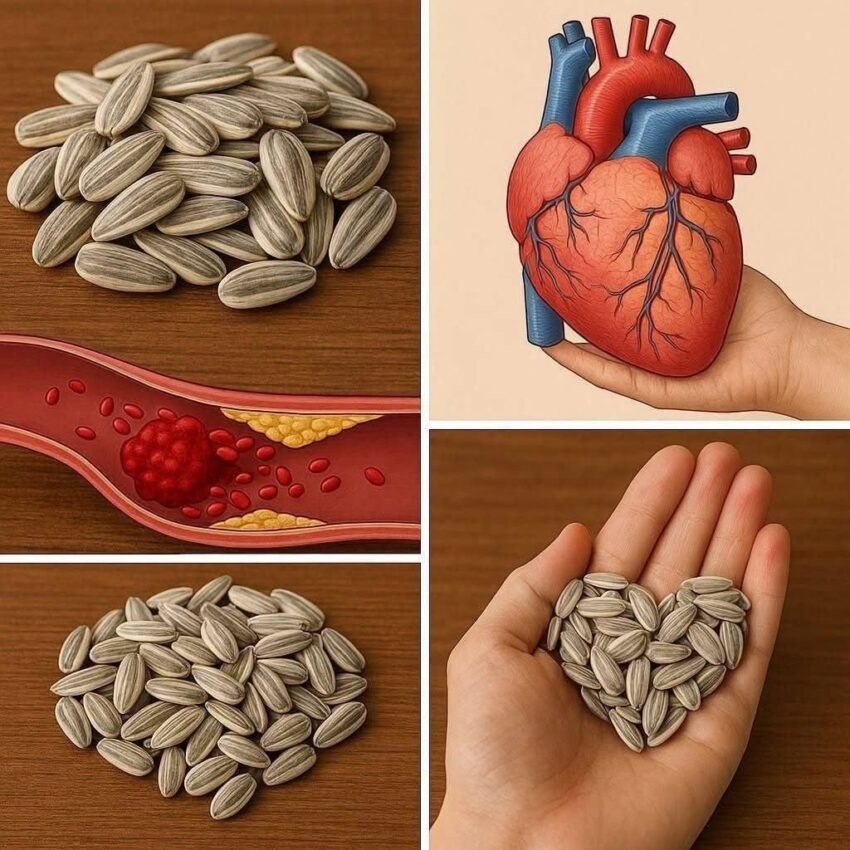
Discover nutrient-rich seeds that may support heart health naturally. Learn how chia, flax, pumpkin, sunflower, sesame, and other seeds fit into a balanced heart-healthy diet.
Powerful Seeds for a Heart-Healthy Diet
When it comes to supporting heart health, small dietary choices can add up over time. Seeds are a particularly convenient addition because many varieties provide fiber, healthy unsaturated fats, plant protein, minerals, and other beneficial nutrients.
While no single food can prevent or cure heart disease, regularly including nutrient-dense foods as part of an overall balanced diet may help support cardiovascular health.
From tiny chia seeds to nutrient-rich flaxseeds, here are some of the best seeds to consider adding to your meals.
1. Flaxseeds
Flaxseeds are one of the most popular seeds for heart-conscious eating.
They provide alpha-linolenic acid (ALA), a plant-based omega-3 fatty acid, along with fiber and other plant compounds called lignans.
How to Eat Flaxseeds
Ground flaxseed is often easier to incorporate into meals than whole flaxseed.
Try adding it to:
- Oatmeal
- Smoothies
- Yogurt
- Homemade muffins
- Whole-grain cereal
- Soups or stews
Tip: Store ground flaxseed in an airtight container and follow package storage recommendations to help maintain freshness.
2. Chia Seeds


Chia seeds may be tiny, but they’re packed with nutrients.
They contain fiber, ALA omega-3 fats, protein, calcium, magnesium, and other minerals. Their high fiber content makes them particularly useful as part of a diet designed to support healthy cholesterol levels.
Easy Ways to Use Chia Seeds
Add a spoonful to:
- Overnight oats
- Smoothies
- Yogurt
- Pudding
- Homemade energy bites
- Breakfast bowls
Chia seeds absorb liquid and swell, so make sure you consume them with adequate fluid and avoid swallowing large amounts of dry seeds.
3. Pumpkin Seeds


Pumpkin seeds, also known as pepitas when hulled, provide magnesium, zinc, protein, unsaturated fats, and other nutrients.
Magnesium plays several important roles in normal muscle and nerve function and contributes to overall health.
For a heart-conscious snack, choose unsalted or lightly salted pumpkin seeds.
Sprinkle them over salads, soups, oatmeal, or roasted vegetables for extra crunch.
4. Sunflower Seeds
Sunflower seeds provide unsaturated fats, vitamin E, protein, and minerals.
Vitamin E acts as an antioxidant in the body, while the healthy fats make sunflower seeds a satisfying addition to meals and snacks.
Choose plain or lightly salted varieties when possible, since heavily salted seeds can add a significant amount of sodium to your diet.
5. Sesame Seeds


Sesame seeds are a flavorful source of healthy fats, protein, fiber, and minerals.
They’re incredibly versatile and can be used in both savory and sweet dishes.
Try sprinkling sesame seeds over:
- Stir-fried vegetables
- Rice dishes
- Salads
- Noodles
- Homemade bread
Tahini, a paste made from sesame seeds, is another delicious way to incorporate sesame into your diet.
6. Hemp Seeds
Hemp seeds are a convenient source of plant protein, unsaturated fats, fiber, and minerals.
Their mild, slightly nutty flavor makes them easy to add to everyday foods without dramatically changing the taste.
Try them in smoothies, yogurt, oatmeal, salads, or grain bowls.
7. Sunflower, Pumpkin, and Mixed Seeds
You don’t necessarily have to choose just one variety.
A homemade seed mixture can provide a broader range of nutrients and textures.
Combine unsalted:
- Pumpkin seeds
- Sunflower seeds
- Chia seeds
- Flaxseeds
- Hemp seeds
Keep portions moderate and use the mixture as a topping rather than treating it as an unlimited snack.
How Seeds May Support Heart Health
The potential benefits of seeds largely come from their overall nutritional profile rather than a single “heart-protective” ingredient.
Healthy Unsaturated Fats
Many seeds contain predominantly unsaturated fats. Replacing foods high in saturated fat with sources of unsaturated fat can be beneficial for cardiovascular health.
Dietary Fiber
Flax and chia seeds are particularly rich in fiber.
Adequate dietary fiber is an important part of a healthy eating pattern and can help support healthy cholesterol levels.
Plant-Based Nutrients
Seeds provide a variety of vitamins, minerals, antioxidants, and other plant compounds that contribute to a nutritious diet.
How Much Should You Eat?
Seeds are nutrient-dense, but they’re also relatively high in calories.
A practical starting point is about 1–2 tablespoons per day, depending on the variety and your overall diet.
There is no universal amount that everyone needs.
The goal is to use seeds as part of a balanced eating pattern that also includes vegetables, fruits, whole grains, legumes, nuts, fish or other protein sources, and healthy oils.
The Best Ways to Add Seeds to Your Diet
You don’t need complicated recipes.
At Breakfast
Add chia or ground flaxseed to oatmeal, yogurt, or a smoothie.
At Lunch
Sprinkle pumpkin, sunflower, or sesame seeds over a salad.
At Dinner
Use sesame seeds as a topping for vegetables, rice, or stir-fries.
As a Snack
Keep a small portion of unsalted pumpkin or sunflower seeds available for a convenient snack.
Choose Unsalted Seeds When Possible
One important consideration is sodium.
Some packaged seeds are heavily salted, and eating large quantities can make it easier to consume more sodium than intended.
For a heart-conscious diet, look for:
- Unsalted varieties
- Dry-roasted seeds without added salt
- Plain seeds
- Products with simple ingredient lists
Don’t Forget the Bigger Picture
Adding seeds to your diet can be a nutritious choice, but heart health depends on much more than one food.
A heart-supportive lifestyle generally includes:
- Eating plenty of vegetables and fruits
- Choosing whole grains
- Including fiber-rich foods
- Favoring unsaturated fats
- Limiting excessive saturated and trans fats
- Keeping sodium intake in check
- Getting regular physical activity
- Avoiding tobacco
- Maintaining a healthy weight when appropriate
- Getting adequate sleep
- Managing conditions such as high blood pressure, high cholesterol, or diabetes with professional guidance
Frequently Asked Questions
Which seed is best for heart health?
There isn’t one universally “best” seed. Flax and chia are notable for their ALA omega-3 fats and fiber, while pumpkin, sunflower, sesame, and hemp seeds offer different combinations of healthy fats, protein, minerals, and other nutrients.
Can seeds lower cholesterol?
Some seeds, particularly fiber-rich varieties such as flaxseed, may contribute to healthier cholesterol levels when included regularly as part of an overall healthy diet. They should not be considered a replacement for prescribed cholesterol treatment.
Are roasted seeds healthy?
Roasting doesn’t automatically make seeds unhealthy. However, heavily salted or sugar-coated versions can contain substantial amounts of sodium or added sugar. Plain or lightly seasoned varieties are generally easier to fit into a heart-conscious diet.
Can I eat seeds every day?
For most people, seeds can be part of a healthy daily diet. Because they’re calorie-dense, reasonable portions are important.
Are seeds a replacement for heart medication?
No. Seeds and other healthy foods can complement a nutritious lifestyle, but they cannot replace medication prescribed for high cholesterol, high blood pressure, or heart disease unless your healthcare professional specifically advises you to change your treatment.
Final Thoughts
Seeds may be small, but they can make a valuable contribution to a nutritious, heart-conscious diet.
Flaxseeds, chia seeds, pumpkin seeds, sunflower seeds, sesame seeds, and hemp seeds each offer their own combination of healthy fats, fiber, protein, vitamins, minerals, and plant compounds.
The most important thing isn’t finding one magical seed. It’s building a consistent eating pattern filled with a variety of nutritious foods.
So sprinkle some flaxseed into your morning oats, add chia to a smoothie, or top your dinner salad with pumpkin seeds. Small additions can help make healthy eating both easier and more enjoyable.