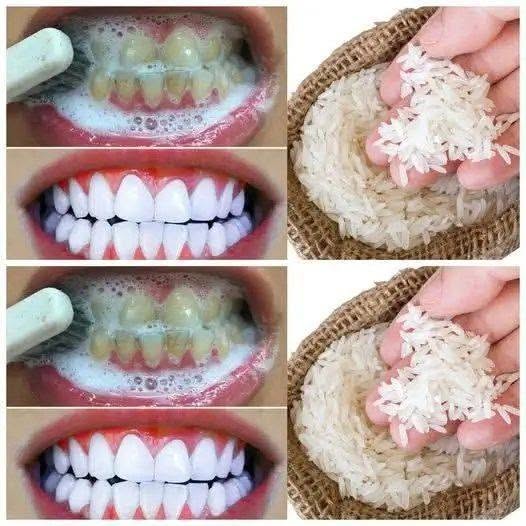
A bright smile can make you feel more confident, but the promise of “instant teeth whitening in just one minute” deserves a little caution. While you may be able to make your teeth look cleaner and brighter very quickly, true whitening usually takes longer because it involves changing the color of stains beneath the surface of the tooth.
The good news is that there are a few simple things you can do in about a minute to improve the appearance of your smile.
Can Teeth Really Become White in One Minute?
Not usually.
A one-minute routine can help remove loose food particles, freshen your mouth, and reduce some surface buildup. However, professional whitening and reputable whitening products generally rely on peroxide-based ingredients that need contact time to produce a noticeable color change.
So if a social-media trick claims that rubbing one household ingredient on your teeth for 60 seconds will dramatically whiten them, be skeptical.
The Quickest One-Minute Brightening Routine
If you want your teeth to look fresher before heading out, try this simple routine.
1. Rinse Thoroughly
Start by swishing water around your mouth for about 20–30 seconds.
This can loosen food particles and remove some residue from the teeth. Spit the water out rather than swallowing it.
2. Brush Gently
Use a soft-bristled toothbrush and fluoride toothpaste.
Brush gently for the remaining time rather than aggressively scrubbing your teeth. Hard brushing does not make teeth whiten faster and can contribute to gum irritation or enamel wear.
For everyday oral care, brushing for about two minutes twice a day is preferable to relying on a one-minute whitening trick.
3. Rinse Again
A final rinse can leave your mouth feeling cleaner and your smile looking fresher.
That’s about as much visible improvement as you should expect from a true one-minute routine.
What About Baking Soda?
Baking soda is often promoted as a natural teeth-whitening ingredient.
There is some reason for its popularity: toothpaste containing baking soda can help remove surface stains because of its mild abrasive properties.
However, that doesn’t mean you should aggressively scrub your teeth with dry baking soda.
Using abrasive substances too frequently or brushing too forcefully can damage tooth surfaces and irritate the gums. If you want to use baking soda, a toothpaste specifically formulated with baking soda is a more sensible choice than repeatedly applying homemade mixtures.
Be Careful With Lemon and Vinegar
One of the most common DIY whitening trends involves lemon juice, vinegar, or other acidic ingredients.
This is not a good shortcut.
Acids can soften or erode tooth enamel. Once enamel is lost, it does not grow back. Ironically, excessive enamel wear can make teeth appear more yellow because the naturally yellowish dentin underneath becomes more visible.
The same caution applies to other highly acidic homemade whitening recipes.
What About Hydrogen Peroxide?
Hydrogen peroxide is used as a whitening ingredient in many professionally formulated dental products, but concentration and proper use matter.
Using concentrated peroxide directly from a household bottle, mixing it with other ingredients, or keeping it on the teeth for longer than recommended is not a safe way to accelerate whitening.
If you want peroxide-based whitening, follow the directions on a reputable dental product or ask your dentist which option is appropriate.
Why Your Teeth May Look Yellow
Teeth are not naturally bright white.
Their color can vary because of genetics, enamel thickness, age, and the underlying dentin. Surface stains can also develop from foods and drinks such as coffee, tea, red wine, and strongly colored foods.
Smoking and tobacco use can cause particularly stubborn staining.
This means that whitening does not necessarily make every person’s teeth the same shade of white.
The Better Long-Term Approach
If you want genuinely whiter teeth rather than a temporary clean appearance, consistency matters more than a one-minute trick.
A good routine includes:
- Brushing twice daily with fluoride toothpaste
- Cleaning between the teeth every day
- Limiting frequent exposure to staining drinks
- Avoiding tobacco
- Having regular dental checkups
- Using whitening products according to their instructions
- Asking a dentist about persistent or severe discoloration
Professional whitening can produce a more noticeable change than homemade remedies, particularly when discoloration is deeper than simple surface staining.
One-Minute Smile Boost Before Going Out
If you have only a minute before leaving the house, don’t reach for harsh acids or abrasive powders.
Instead, rinse your mouth, gently brush if appropriate, clean away any obvious food particles, and drink some water.
Your teeth may not become dramatically whiter in 60 seconds—but your smile can look cleaner and fresher.
The Bottom Line
There is no reliable DIY method that can transform naturally colored teeth into dramatically whiter teeth in exactly one minute.
A quick rinse and gentle brushing can improve the appearance of your smile temporarily, while proven whitening products or professional treatment can provide more significant results over time.
The safest “rapid whitening” secret is simple: don’t damage your enamel trying to make it white faster.
Meta Description: Want rapid teeth whitening in 1 minute? Learn what can safely brighten your smile quickly and which DIY whitening tricks may damage tooth enamel.