Wondering how to remove dental plaque naturally in five minutes? Learn what you can safely do at home to reduce plaque, protect your gums, and prevent plaque from hardening into tartar.
Dental plaque can make your teeth feel fuzzy, leave your mouth feeling unclean, and contribute to cavities and gum disease. Because of this, many people search for a quick natural method that can remove plaque in just a few minutes.
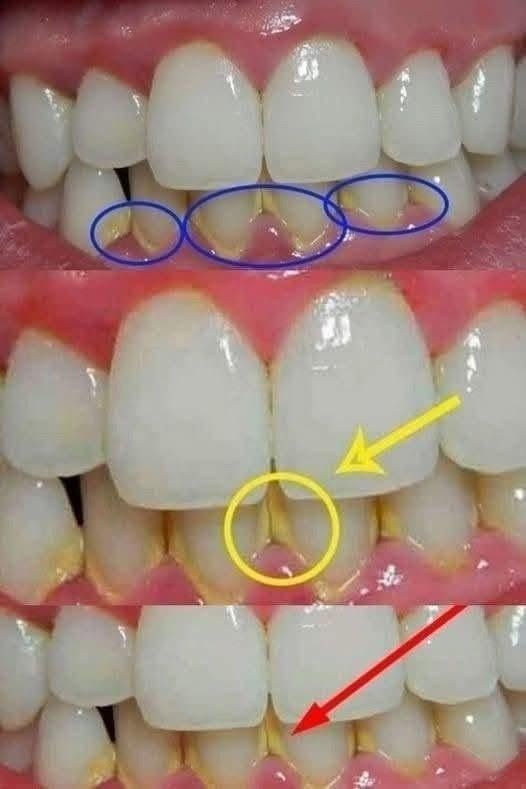
But there is an important distinction: soft plaque can be removed at home, while hardened tartar (calculus) cannot be safely removed with household ingredients. If tartar has already formed, professional dental cleaning may be necessary.
The good news is that you can take several simple steps at home to remove fresh plaque and improve oral hygiene.
What Is Dental Plaque?
Plaque is a sticky film of bacteria that continually forms on your teeth.
When bacteria in plaque interact with sugars and starches from food, they produce acids that can contribute to tooth decay. Plaque can also irritate the gums and contribute to gingivitis.
If plaque isn’t regularly removed, minerals from saliva can harden it into tartar.
Unlike soft plaque, tartar is firmly attached to the teeth and generally cannot be removed safely with ordinary brushing.
The 5-Minute At-Home Routine
If you want to freshen your mouth and remove as much soft plaque as possible, try this simple routine.
Step 1: Brush for Two Minutes
Use a soft-bristled toothbrush and fluoride toothpaste.
Brush gently along the fronts, backs, and chewing surfaces of your teeth. Pay particular attention to the gumline, where plaque commonly accumulates.
Don’t scrub aggressively. Brushing harder doesn’t mean brushing better and can irritate your gums or contribute to tooth wear.
Step 2: Clean Between Your Teeth
Brushing alone doesn’t effectively clean every surface between the teeth.
Use dental floss or an appropriate interdental cleaner to remove plaque and food particles from between your teeth.
Move the floss gently along the sides of the teeth rather than snapping it into the gums.
Step 3: Rinse Your Mouth
After brushing and cleaning between your teeth, rinse your mouth with water.
If you use a mouthwash, choose an appropriate oral-health product and follow its directions. Mouthwash can complement brushing and interdental cleaning, but it isn’t a replacement for either one.
Can Baking Soda Remove Plaque?
Baking soda is sometimes promoted as a natural plaque remover.
It can have some cleaning benefits when used appropriately, but it shouldn’t be treated as a magic five-minute plaque-removal treatment.
Avoid aggressive scrubbing with baking soda or using abrasive mixtures repeatedly. Excessive abrasion can damage tooth enamel over time.
For everyday oral care, fluoride toothpaste remains the better-established choice for protecting against cavities.
What About Oil Pulling?
Oil pulling involves swishing an edible oil around the mouth and then spitting it out.
It has become popular online as a natural way to “remove toxins” or eliminate plaque. However, there isn’t strong evidence that oil pulling can replace brushing and flossing or remove established tartar.
If you enjoy oil pulling, don’t use it instead of standard dental hygiene.
Avoid Scraping Plaque or Tartar With Sharp Objects
This is one of the most important warnings.
You may see videos showing people using metal tools, pins, fingernails, or other objects to scrape buildup from their teeth.
Don’t do this at home.
Improper scraping can:
- Injure your gums
- Scratch tooth surfaces
- Cause bleeding
- Push bacteria under the gumline
- Damage dental restorations
Professional dental instruments and techniques are designed for removing hardened calculus safely.
How to Prevent Plaque From Returning
Plaque begins forming again soon after you clean your teeth, so the goal isn’t to remove it once and forget about it.
A better strategy is consistent daily care.
Brush Twice a Day
Brush your teeth for about two minutes twice daily with fluoride toothpaste.
Clean Between Your Teeth Daily
Floss or use another interdental cleaner once a day to remove plaque from areas your toothbrush cannot reach.
Limit Frequent Sugary Snacks
Repeated exposure to sugar and fermentable carbohydrates gives plaque bacteria more opportunities to produce acids that attack teeth.
Drink Water
Water can help rinse food particles from the mouth and supports normal saliva function.
Don’t Ignore Your Gums
Bleeding, swollen, tender, or persistently red gums can be signs of gum disease.
If these symptoms continue despite good oral hygiene, arrange a dental examination.
Plaque vs. Tartar: Know the Difference
This distinction is important.
Plaque:
A soft bacterial film that can generally be removed with regular brushing and interdental cleaning.
Tartar:
Hardened mineralized plaque that is firmly attached to the teeth and generally requires professional removal.
If you have a hard yellow, brown, or dark deposit around your gumline that doesn’t disappear with brushing, it may be tartar rather than ordinary plaque.
When Should You See a Dentist?
Home care is useful for preventing and controlling plaque, but it doesn’t replace professional dental care.
Arrange a dental appointment if you have:
- Persistent bleeding gums
- Swollen or painful gums
- Persistent bad breath
- Tooth sensitivity
- Toothache
- Loose teeth
- Receding gums
- Visible hardened deposits on your teeth
- A broken or damaged tooth
A dentist or dental hygienist can determine whether you have plaque, tartar, cavities, gum disease, or another problem.
The Bottom Line
There is no reliable natural trick that can safely dissolve hardened tartar in five minutes.
However, you can remove fresh plaque at home by brushing thoroughly with fluoride toothpaste and cleaning between your teeth. The most effective approach isn’t a one-time “miracle” treatment—it’s consistent daily oral hygiene.
If buildup has hardened into tartar, trying to scrape it away yourself can do more harm than good. Professional cleaning is the safer option.