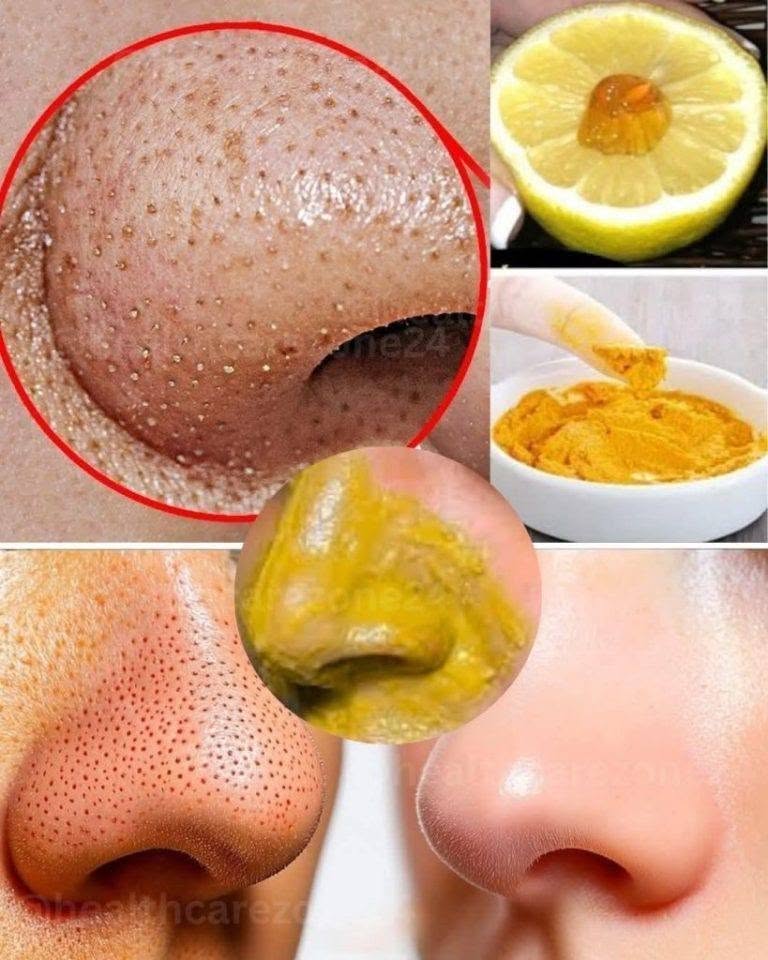
Blackheads and pimples are incredibly common, but that doesn’t make them any less frustrating.
You may notice them appearing just when you want your skin to look its best. And once they’re there, it’s tempting to squeeze, scrub, or try every DIY remedy you see online.
But clearer skin usually comes from consistent, gentle care—not harsh treatments or quick fixes.
First, What Causes Blackheads and Pimples?
Your skin naturally produces an oily substance called sebum. Sebum helps protect and moisturize your skin, but when oil mixes with dead skin cells, it can clog pores.
A clogged pore can develop into a blackhead or, if inflammation occurs, a pimple.
Blackheads aren’t dirt trapped inside your skin. Their dark appearance happens because the material in the pore reacts with air.
1. Wash Your Face Gently
Start with a gentle cleanser rather than scrubbing your skin aggressively.
Wash your face regularly, particularly after sweating, but avoid excessive washing. Scrubbing too hard can irritate the skin and potentially make breakouts worse.
2. Consider Salicylic Acid for Blackheads
Salicylic acid is a commonly used acne-fighting ingredient. It can help remove dead skin cells and unclog pores.
Products containing salicylic acid can be particularly useful for people who struggle with blackheads and clogged pores.
Start slowly if you’re new to it, because irritation and dryness can occur.
3. Don’t Pick or Squeeze
This may be the hardest rule to follow.
Squeezing blackheads and pimples can push material deeper into the skin, increase inflammation, and raise the risk of marks or scarring.
Instead, give your skincare routine time to work.
4. Choose Non-Comedogenic Products
If you’re prone to acne, look for skincare and makeup products labeled non-comedogenic.
These products are designed to be less likely to clog pores.
And don’t forget sunscreen. A broad-spectrum sunscreen can help protect skin from UV damage and reduce the chance that acne marks become more noticeable.
5. Give Your Skin Time
One of the biggest skincare mistakes is changing products every few days because you don’t see immediate results.
Acne treatments often need consistent use over time. Using too many active ingredients at once can irritate your skin and make things worse.
A simple routine is often better:
Gentle cleanser → acne treatment → moisturizer → sunscreen during the day.
What About Home Remedies?
Lemon juice, baking soda, toothpaste, and harsh scrubs are often promoted as DIY acne treatments.
It’s best to skip them.
They can irritate or damage the skin without reliably treating acne.
Natural doesn’t automatically mean gentle or effective.
When Should You See a Dermatologist?
If your acne is painful, severe, leaving scars, suddenly getting worse, or not improving with an appropriate over-the-counter routine, consider seeing a dermatologist.
A professional can determine what type of acne you’re dealing with and recommend treatment suited to your skin.
The Bottom Line
You don’t need a complicated routine to take better care of acne-prone skin.
Cleanse gently, avoid picking, choose appropriate acne-fighting ingredients, moisturize, protect your skin from the sun, and be consistent.
Blackheads and pimples may not disappear overnight, but with the right approach, you can work toward healthier, clearer-looking skin without resorting to harsh DIY remedies.