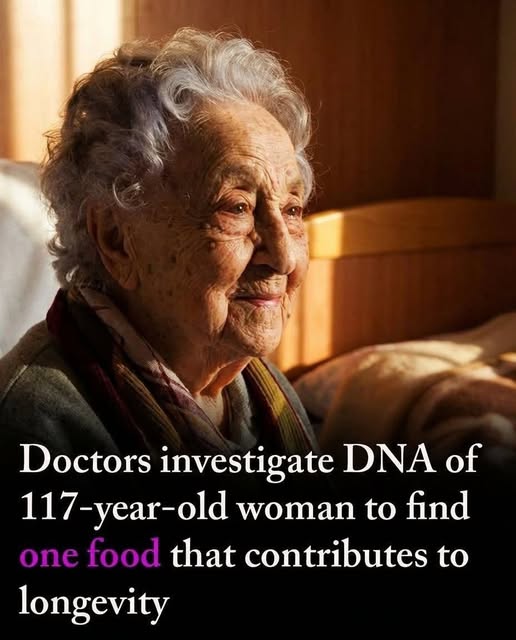
A 117-year lifespan naturally raises questions about longevity. Explore what researchers know about exceptional longevity, genetics, lifestyle, and the role food may—or may not—play in living longer.
Living beyond 100 is extraordinarily rare, and reaching 110 or more is rarer still. So when someone reaches an exceptional age, it’s tempting to search for one food, drink, or daily habit that explains their longevity.
But the science of aging is much more complicated.
Is There Really One Food Behind Exceptional Longevity?
Probably not.
Stories about exceptionally old people often highlight a favorite food—perhaps olive oil, beans, vegetables, fish, yogurt, or even a particular regional specialty.
That doesn’t prove the food caused the person’s long life.
A person’s lifespan is influenced by a complex combination of:
- Genetics
- Diet
- Physical activity
- Sleep
- Social connections
- Environment
- Access to healthcare
- Smoking and alcohol habits
- Socioeconomic factors
- Chance and other biological factors
One person’s diet can’t be turned into a guaranteed longevity formula.
Why Are People Interested in Supercentenarians?
People who reach 110 years or older are sometimes called supercentenarians.
Researchers study these individuals because they may offer clues about how some people remain relatively resilient despite the biological changes associated with aging.
Some exceptionally long-lived people appear to have favorable genetic characteristics. Others maintain surprisingly ordinary lifestyles rather than following an extreme diet or complicated wellness routine.
That makes their stories fascinating—but difficult to translate into a prescription for everyone else.
The Mediterranean-Style Diet Often Gets Attention
When longevity research examines populations with unusually long lifespans, dietary patterns rich in plant foods frequently attract attention.
A Mediterranean-style eating pattern typically emphasizes:
- Vegetables
- Fruits
- Beans and lentils
- Whole grains
- Nuts and seeds
- Olive oil
- Fish and other minimally processed protein sources
These foods provide fiber, vitamins, minerals, healthy fats, and numerous plant compounds.
However, researchers generally study overall dietary patterns, not a single magical food.
What About the “Surprising Food”?
A headline may claim that scientists discovered one particular food connected with a 117-year-old woman’s longevity.
It’s important to distinguish between an association and proof of cause.
If an exceptionally old person regularly ate a particular food, that doesn’t establish that the food allowed her to reach that age.
For example, thousands of people may eat the same food without reaching 100, while some people who rarely eat it may live exceptionally long lives.
That’s why responsible longevity research looks at larger groups of people and considers many factors at once.
Genetics May Be Particularly Important
When someone reaches an extremely advanced age, genetics can become an important area of research.
Some people appear to possess biological characteristics that help protect them from certain age-related diseases.
Scientists have studied genes involved in processes such as inflammation, cholesterol metabolism, cardiovascular health, and cellular maintenance.
But genetics isn’t destiny. For most people, everyday habits and environmental factors also influence health and lifespan.
What Can We Actually Learn From These Stories?
Instead of searching for a single “longevity food,” it’s more useful to look at habits that are consistently associated with better health.
Eat a Variety of Whole Foods
Build meals around vegetables, fruits, legumes, whole grains, nuts, seeds, and appropriate sources of protein.
Stay Physically Active
Regular movement helps maintain cardiovascular fitness, muscle strength, balance, and independence as we age.
Don’t Smoke
Avoiding tobacco is one of the most important things a person can do for long-term health.
Maintain Social Connections
Strong social relationships and meaningful activities are often associated with healthier aging.
Manage Major Health Risks
Keeping conditions such as high blood pressure, diabetes, and high cholesterol under control can significantly influence healthy life expectancy.
Longevity Isn’t Just About Reaching a Number
Living longer isn’t necessarily the same as living healthier.
Researchers are increasingly interested in healthspan—the years a person remains physically and mentally capable of enjoying daily life.
That means maintaining muscle, mobility, cognitive function, independence, and meaningful relationships can be just as important as adding years to the lifespan.
The Bottom Line
A 117-year-old person’s favorite food can make a fascinating story, but there is no single food proven to be the secret to reaching 117.
Exceptional longevity likely reflects a combination of genetics, environment, lifestyle, healthcare, and many other factors.
Rather than copying one food from a remarkable person’s diet, focus on the bigger picture: eat a varied, nutrient-rich diet, stay active, avoid tobacco, maintain social connections, and manage important health risks.