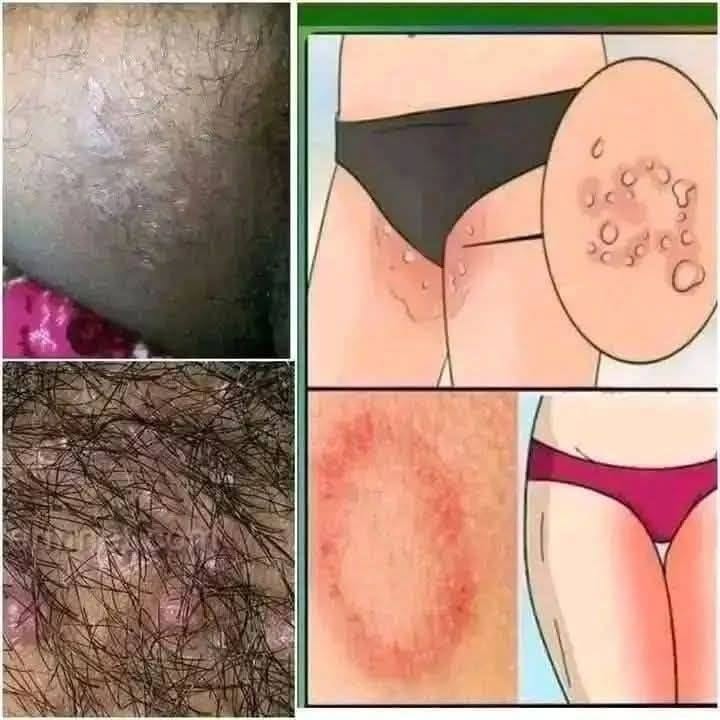
Learn the common causes of sensitivity, itching, burning, redness, and irritation in the pubic area, along with safe home-care tips and signs that require medical attention.
Sensitivity in the pubic area can be uncomfortable and sometimes embarrassing, but it is a common problem. The skin around the groin and genitals is delicate and can easily become irritated by shaving, sweating, friction, tight clothing, soaps, fragrances and other products.
Sensitivity in the Pubic Area: Common Causes and How to Treat It
However, persistent sensitivity can sometimes be caused by a skin condition or infection that needs medical treatment.
What Does Pubic-Area Sensitivity Feel Like?
Depending on the cause, you may notice:
- Itching
- Burning or stinging
- Redness
- Tenderness
- Dry or flaky skin
- Small bumps
- Swelling
- A rash
- Pain when touching the area
The symptoms can occur on the pubic hair-bearing skin, groin folds, or around the external genital area.
1. Shaving and Ingrown Hairs
Removing pubic hair can irritate the skin and cause tiny cuts, razor burn or inflamed hair follicles.
Ingrown hairs can appear as small red or painful bumps, sometimes containing pus.
What can help
Give irritated skin a break from shaving or waxing until it heals. Wear loose-fitting clothing and avoid picking or squeezing bumps.
When shaving again, use a clean razor, shaving gel or cream, and shave gently in the direction of hair growth.
2. Friction and Sweating
Walking, exercising, sexual activity and tight clothing can create friction and moisture around the groin.
This can cause irritation, particularly in hot or humid weather.
What can help
Keep the area dry, change out of sweaty clothing promptly, and choose breathable underwear and loose-fitting clothing.
Avoid excessive rubbing or scrubbing.
3. Soaps, Fragrances and Personal-Care Products
Perfumed soaps, shower gels, deodorants, wipes, detergents and other products can irritate sensitive genital skin.
This may cause redness, itching, burning or dryness.
What can help
Stop using products that appear to trigger the irritation. Wash the external area gently with lukewarm water and, if needed, a mild fragrance-free cleanser.
Avoid putting perfumed products inside the vagina or directly on genital mucosal tissue.
4. Fungal Infections
A fungal infection such as jock itch can cause an itchy, red rash in the groin and inner thighs.
Keeping the area dry is important. Depending on the exact diagnosis, an appropriate antifungal treatment may be recommended by a pharmacist or healthcare professional.
Do not assume every itchy rash is fungal, because several other conditions can look similar.
5. Folliculitis
Folliculitis occurs when hair follicles become inflamed. It can resemble small pimples and may occur after shaving, sweating or friction.
Mild cases may improve by avoiding shaving and reducing irritation. More severe or persistent cases may require medical treatment.
6. Sexually Transmitted Infections
Genital irritation can sometimes be associated with an STI.
Seek medical evaluation if sensitivity is accompanied by:
- Blisters or open sores
- Genital ulcers
- Unusual discharge
- Burning when urinating
- New genital bumps or growths
- Pelvic or testicular pain
- Symptoms after unprotected sexual contact
Conditions such as genital herpes, genital warts and certain infections can require specific testing and treatment.
Avoid sexual contact if you have unexplained genital sores or blisters until you have been evaluated.
Safe Home Care
For mild irritation without concerning symptoms:
- Keep the area clean and dry.
- Wash gently rather than scrubbing.
- Avoid perfumes, deodorants and fragranced wipes.
- Stop shaving or waxing temporarily.
- Wear loose, breathable clothing.
- Change sweaty underwear or clothing promptly.
- Avoid scratching the area.
- Do not squeeze bumps or blisters.
- Avoid using random creams or strong antiseptics on genital skin.
Be Careful With Home Remedies
“Natural” does not necessarily mean safe for genital skin.
Avoid applying vinegar, lemon juice, baking soda, essential oils, toothpaste, bleach or other harsh substances to the pubic or genital area. These can cause chemical irritation or burns.
Similarly, steroid creams should not be used repeatedly on genital skin without professional advice.
When Should You See a Doctor?
Arrange an examination if the sensitivity:
- Persists despite avoiding obvious irritants
- Keeps coming back
- Is severe or worsening
- Is accompanied by a rash that spreads
- Causes significant swelling or pain
- Produces sores, blisters or ulcers
- Is associated with unusual discharge
- Causes painful urination
- Occurs after a potential STI exposure
Seek urgent medical care for severe genital swelling, severe pain, fever with a rapidly worsening rash, or other rapidly developing symptoms.
The Bottom Line
Pubic-area sensitivity is often caused by something relatively simple, such as shaving, friction, sweating or an irritating product. But infections and skin conditions can produce similar symptoms.
The safest approach is to remove potential irritants, keep the area dry, avoid scratching and give irritated skin time to recover. If symptoms persist or you have sores, blisters, discharge, significant pain or possible STI exposure, get an appropriate medical examination rather than trying multiple home remedies.
This article is for general education and cannot diagnose a genital or skin condition. Treatment should be based on the actual cause.