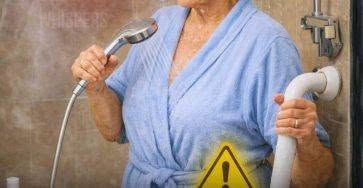
A warm shower can feel like one of the safest and most relaxing parts of the day. But after 60, a few ordinary shower habits may deserve more attention.
The concern isn’t that taking a shower is inherently dangerous. For most healthy older adults, bathing is a normal part of everyday life. The issue is that heat, sudden changes in blood pressure, dehydration, medications and slippery bathroom surfaces can combine to cause dizziness, weakness or a fall.
The American Heart Association notes that cardiovascular disease, blood-pressure changes, certain medications, abnormal heart rhythms, physical frailty and environmental hazards can all contribute to fall risk in older adults.
That means a safer shower isn’t necessarily a colder shower. It’s a shower designed around your body’s changing needs.
Why Hot Showers Can Make Some People Feel Weak
Hot water causes blood vessels near the skin to widen. This is called vasodilation.
When blood vessels widen, blood pressure can temporarily fall in some circumstances. Most healthy people tolerate these changes without a problem, but people who already have low blood pressure, cardiovascular disease, dehydration or certain medication effects may be more vulnerable to dizziness.
The American Heart Association also explains that heat exposure causes vasodilation, and people with cardiovascular concerns should discuss hot tubs or saunas with their healthcare professional.
A very hot shower can therefore leave some people feeling:
- Light-headed
- Weak
- Unsteady
- Nauseated
- Overheated
- Suddenly tired
These symptoms shouldn’t automatically be blamed on age.
They may be a sign that your blood pressure is changing or that another medical issue needs attention.
The Bigger Risk May Come When You Stand Up
One of the most important issues for adults over 60 is orthostatic hypotension.
This occurs when blood pressure drops significantly after changing position, particularly when moving from sitting or lying down to standing.
According to the American Heart Association, orthostatic hypotension becomes more common with age and can affect approximately 10% of adults between 60 and 65 and 15%–30% of adults over 65.
Imagine sitting on a shower chair for several minutes in a warm bathroom.
You stand quickly.
Your blood pressure doesn’t adjust fast enough.
Suddenly, you feel dizzy.
If the floor is wet, a moment of dizziness can become a serious fall.
This is why getting up slowly can be just as important as controlling the water temperature.
Don’t Make the Water Extremely Hot
You don’t need freezing water to protect your heart.
Instead, aim for a comfortably warm temperature rather than extremely hot water.
If your skin becomes intensely red, you feel overheated or you start feeling dizzy, turn the temperature down and get out safely.
People with heart disease, blood-pressure problems or circulation issues should ask their healthcare professional whether they need specific limits on heat exposure.
Avoid Sudden Hot-to-Cold Changes
Some people enjoy dramatically changing the water from very hot to very cold.
For certain healthy individuals, this may simply feel refreshing.
But people with cardiovascular conditions shouldn’t assume that extreme temperature changes are harmless.
The American Heart Association specifically cautions people with high blood pressure against moving back and forth between cold water and hot tubs or saunas because this can cause blood-pressure changes.
A safer approach is to keep temperature changes gradual.
There’s no health prize for enduring an extremely hot or extremely cold shower.
Dehydration Can Add to the Problem
Older adults may be more vulnerable to dehydration, particularly during hot weather or when taking medications that increase fluid loss.
If you’re dehydrated, your circulating blood volume can be lower.
Combine that with a hot bathroom, prolonged standing and a sudden change in position, and dizziness may become more likely.
Don’t deliberately restrict fluids simply to avoid needing the bathroom during the night.
Instead, follow your healthcare professional’s fluid recommendations, especially if you have heart failure, kidney disease or another condition requiring fluid restrictions.
Your Medications Matter
A shower itself may not be the problem.
Sometimes medications can make the body’s response to standing or heat more noticeable.
The American Heart Association identifies several categories of medications that can contribute to fall risk, including some medicines used for high blood pressure, diabetes, irregular heart rhythms, anxiety, depression and sleep problems.
This does not mean you should stop taking your medication.
Never change or skip prescribed medication because of concerns about showering.
Instead, tell your doctor if you regularly experience:
- Dizziness after standing
- Weakness during showers
- Feeling faint
- Unusual palpitations
- Falls or near-falls
- Excessive fatigue
- Blurred vision after getting up
Your healthcare professional can determine whether your medications, blood pressure or another condition could be contributing.
Don’t Lock Yourself Into a Bathroom
Privacy is important.
But safety is more important.
If you live alone and have previously experienced dizziness or fainting, consider letting someone know you’re taking a shower.
Keep your phone accessible outside the wet area if appropriate.
For people with significant fall risk, medical alert systems or other safety arrangements may also be worth discussing with a healthcare professional.
The goal isn’t to make you fearful of bathing.
It’s to make sure help can reach you if something unexpected happens.
Use a Non-Slip Surface
A cardiovascular issue doesn’t have to cause the fall directly.
Sometimes the sequence is:
Dizziness → loss of balance → slippery floor → fall.
The American Heart Association identifies environmental hazards and impaired balance among factors that can increase fall risk in adults with cardiovascular disease.
Consider using:
- A properly secured non-slip bath mat
- A shower chair if recommended
- Grab bars installed securely
- A handheld showerhead
- Adequate bathroom lighting
Avoid relying on ordinary towel racks as grab bars. They may not be designed to support body weight.
Sit Down If You Feel Dizzy
This is one of the most important rules.
If you suddenly feel light-headed during a shower, don’t try to walk quickly out of the bathroom.
Instead, sit down somewhere safe if possible.
Turn off the water.
Allow yourself time to recover.
If you’re alone and symptoms are severe or worsening, seek emergency help.
Trying to “push through” dizziness while standing on a wet floor can turn a temporary blood-pressure problem into a serious injury.
Don’t Ignore Chest Pain or Shortness of Breath
Not every uncomfortable sensation during a shower is caused by heat.
Chest pressure, chest pain, severe shortness of breath, fainting, sudden weakness, confusion or other serious symptoms require medical attention.
The American Heart Association advises that very high blood pressure accompanied by symptoms such as chest pain, shortness of breath, weakness, vision changes or difficulty speaking can represent a medical emergency.
If you develop sudden or severe symptoms that could indicate a heart attack or stroke, seek emergency medical care rather than trying to cool down and waiting for the symptoms to disappear.
A Safer Shower Routine After 60
A simple routine can reduce unnecessary risks.
Before the shower
Make sure the bathroom is well lit.
Have your towel and clothing ready before entering.
Avoid showering when you’re severely dehydrated or feeling unusually weak.
If you frequently become dizzy, discuss the problem with your healthcare professional.
During the shower
Use comfortably warm water rather than extremely hot water.
Avoid prolonged exposure to intense heat.
Hold onto properly installed grab bars when needed.
Use a shower chair if standing is difficult or your healthcare professional recommends one.
After the shower
Don’t stand up suddenly after sitting.
Dry yourself carefully.
Move slowly, particularly if you have a history of dizziness or low blood pressure.
If you regularly feel faint after bathing, don’t simply accept it as “normal aging.”
Tell your doctor.
What About Morning Showers?
There is nothing inherently dangerous about showering in the morning.
However, some people may be more prone to dizziness at particular times of day depending on hydration, meals, medication timing, sleep and blood-pressure patterns.
If you repeatedly feel weak or dizzy during morning showers, keep track of when the symptoms occur and discuss the pattern with your healthcare professional.
What About Evening Showers?
The same basic principles apply.
If you’re already tired, dehydrated or light-headed, a long, very hot shower may make you feel worse.
Don’t deliberately use extreme heat because you believe it will “improve circulation.”
Warm water can be relaxing, but more heat isn’t necessarily better.
The Most Important Message
Showering after 60 doesn’t need to become frightening.
The real goal is awareness.
Your cardiovascular system constantly adjusts blood flow and blood pressure as you change position and temperature. Aging, cardiovascular disease, medications and dehydration can make those adjustments more difficult for some people.
The American Heart Association emphasizes that falls in people with cardiovascular disease often involve multiple factors, including blood-pressure problems, medications, heart conditions, balance issues and environmental hazards.
So instead of asking:
“Is showering dangerous after 60?”
A better question is:
“How can I make my shower safer for my particular health situation?”
For most people, the answer is straightforward:
Keep the water comfortably warm, avoid sudden temperature extremes, stay appropriately hydrated, stand up slowly, reduce slip hazards and pay attention to warning symptoms.
And if dizziness, fainting, chest discomfort or unusual shortness of breath keeps happening, don’t simply blame it on getting older.
Sometimes your body is telling you that something deserves a closer look.
Medical Disclaimer
This article is for general educational purposes and is not a substitute for medical advice. People with heart disease, abnormal blood pressure, fainting episodes, significant dizziness or multiple medications should discuss individual bathing and heat-exposure precautions with their healthcare professional.