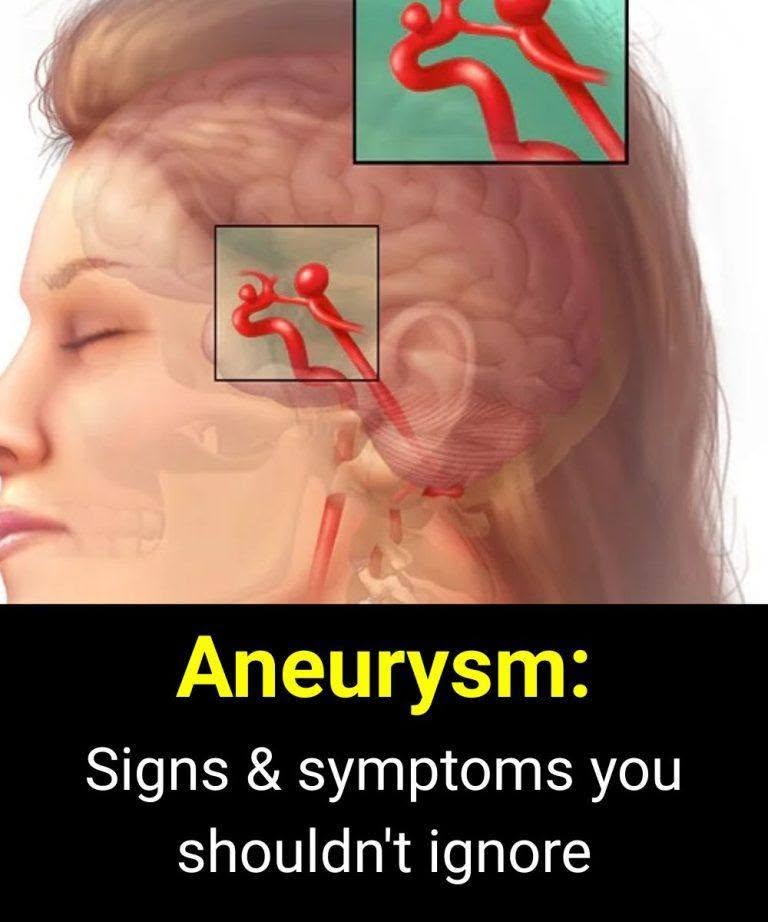
A brain aneurysm can exist for years without causing any obvious symptoms. This is why some aneurysms are described as “silent”—a person may feel completely normal even though a weakened area has developed in the wall of a brain artery.
Most unruptured brain aneurysms do not cause symptoms. Many are discovered accidentally when brain imaging is performed for another reason. However, an aneurysm can become dangerous if it grows, presses on nearby structures, or ruptures.
What Is a Brain Aneurysm?
A brain aneurysm is a weak or thin area in the wall of a blood vessel in the brain. Over time, pressure from blood flowing through the artery can cause the weakened area to bulge outward.
Think of it as a small balloon-like bulge developing in an artery.
Some aneurysms remain small and stable for years. Others can enlarge and, in some cases, rupture.
Why Can an Aneurysm Go Unnoticed?
The brain itself does not always produce an obvious warning when an aneurysm is developing.
A small, unruptured aneurysm may cause no symptoms at all. Unless someone has a brain scan for another reason, there may be no indication that it exists.
This is one reason people should not assume that feeling healthy completely rules out an aneurysm.
Possible Symptoms of an Unruptured Aneurysm
Although many cause no symptoms, a larger aneurysm can sometimes press against nerves or surrounding brain tissue.
Possible symptoms can include:
- Pain around or behind one eye
- Changes in vision
- A dilated pupil
- Numbness or weakness on one side of the face
- Difficulty moving an eye
- Headache or localized head discomfort
These symptoms can have many other causes, so they do not automatically mean someone has an aneurysm.
The Emergency Warning Sign: A Sudden Severe Headache
A ruptured brain aneurysm can cause a subarachnoid hemorrhage, which is a medical emergency.
One of the classic warning signs is a sudden, extremely severe headache that reaches maximum intensity very quickly. People sometimes describe it as the worst headache of their life or a sudden “thunderclap” headache.
Other possible symptoms include:
- Nausea or vomiting
- Neck stiffness
- Sensitivity to light
- Loss of consciousness
- Confusion
- Seizure
- Weakness or numbness
- Difficulty speaking
- Vision problems
A sudden severe headache accompanied by these symptoms requires emergency medical attention immediately.
Who May Have a Higher Risk?
Several factors can increase the likelihood of developing a brain aneurysm or experiencing rupture.
These include:
- Smoking
- High blood pressure
- A family history of brain aneurysms
- Certain inherited conditions
- Previous aneurysm
- Increasing age
- Heavy alcohol use
Having a risk factor does not mean a person has an aneurysm. Likewise, someone without obvious risk factors can still develop one.
Can Aneurysms Be Detected Before They Rupture?
Yes. Brain aneurysms can sometimes be detected using imaging tests such as CT angiography (CTA) or magnetic resonance angiography (MRA). Conventional cerebral angiography may also be used when more detailed vascular imaging is necessary.
Routine screening is not recommended for everyone. Doctors may consider screening in people with particular risk factors, especially certain individuals with a strong family history.
What Happens If an Aneurysm Is Found?
Finding an aneurysm does not automatically mean surgery is necessary.
Doctors consider several factors, including:
- The aneurysm’s size
- Its location
- Its shape
- Whether it has changed over time
- The person’s age and overall health
- Family history
- Previous aneurysm or bleeding
- Other risk factors
Some small aneurysms may simply be monitored with follow-up imaging, while others may require treatment.
When treatment is recommended, options can include surgical clipping or endovascular procedures, depending on the individual situation.
Protecting Brain and Blood-Vessel Health
Although not every aneurysm can be prevented, controlling cardiovascular risk factors is important.
Helpful measures include:
- Don’t smoke.
- Keep blood pressure under control.
- Limit excessive alcohol consumption.
- Follow prescribed treatment for hypertension.
- Maintain a healthy weight.
- Stay physically active as medically appropriate.
- Attend recommended medical follow-ups.
The Important Takeaway
A “silent” brain aneurysm may produce no symptoms at all, which is why some are discovered unexpectedly during imaging.
But a sudden, severe headache—particularly one that reaches maximum intensity within seconds or minutes—should never be ignored. If it occurs with vomiting, confusion, fainting, seizure, weakness, speech problems, vision changes, or neck stiffness, seek emergency medical care immediately.
The presence of an aneurysm cannot be determined reliably from symptoms alone. When there is a genuine concern, a healthcare professional can decide whether brain or blood-vessel imaging is appropriate.