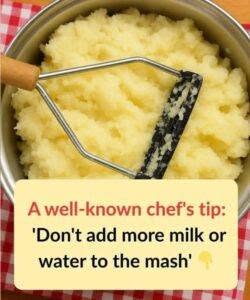
Want richer, creamier mashed potatoes? Learn why adding cold milk or too much water can make mashed potatoes watery or gluey, and discover simple techniques for achieving fluffy, flavorful results every time.
Mashed potatoes seem like one of the easiest side dishes to make. Boil the potatoes, mash them, add a little liquid, and you’re done.
Yet small mistakes can turn beautifully fluffy potatoes into a watery, gluey, or bland mess.
One common problem is adding too much liquid—or adding it at the wrong temperature.
So, should you really stop adding milk or water altogether?
Not necessarily. The better lesson is to understand how much liquid to use, when to add it, and what type works best.
Why Too Much Water Can Ruin Mashed Potatoes
Potatoes naturally contain water, and boiled potatoes absorb additional moisture during cooking.
If you mash potatoes while they are excessively wet and then add more water, the final result can become thin and flavorless.
Instead of adding water to loosen the potatoes, it’s usually better to rely on butter and a modest amount of warm dairy or another suitable liquid.
Don’t Overcook the Potatoes
Another common mistake happens before the mashing even begins.
If potatoes are boiled for too long, they can absorb excessive amounts of water and become waterlogged.
Cut the potatoes into reasonably uniform pieces so they cook at a similar rate. Start them in cold, salted water, then simmer until they are fork-tender.
Once they’re cooked, drain them thoroughly.
For especially fluffy mashed potatoes, you can return the drained potatoes to the warm pot for a short time over low heat. This allows excess surface moisture to evaporate.
Why Warm Milk Works Better Than Cold Milk
You don’t necessarily have to eliminate milk.
If you prefer creamy mashed potatoes, warm milk or cream can work beautifully.
Cold liquid can cool the potatoes and make it harder to incorporate the ingredients smoothly. Warm liquid blends more easily and helps keep the finished potatoes hot.
Add the liquid gradually rather than pouring it all in at once.
That way, you can stop as soon as the potatoes reach the consistency you want.
Butter Is Your Secret Weapon
For rich, flavorful mashed potatoes, butter can make a major difference.
Butter contributes both flavor and a smooth texture.
Add softened or melted butter while the potatoes are still hot and gently incorporate it.
You can then add a small amount of warm milk or cream if needed.
The goal isn’t to flood the potatoes with liquid—it’s to create a creamy texture without making them loose.
Don’t Overwork the Potatoes
This is one of the most important mashed-potato secrets.
Potatoes contain starch. If you aggressively beat or blend them, you can release too much starch, producing a sticky, stretchy texture.
For fluffy mashed potatoes, use a:
- Potato masher
- Potato ricer
- Food mill
Avoid using a blender or food processor for traditional mashed potatoes.
Mash just until the potatoes are smooth enough for your preference.
Choose the Right Potato
The type of potato you use also matters.
Russet potatoes are high in starch and can produce light, fluffy mashed potatoes.
Yukon Gold potatoes have a naturally buttery texture and can produce creamy mashed potatoes with a rich flavor.
Some cooks combine the two to get the best of both worlds.
Waxy potatoes can be more difficult to turn into light, fluffy mash because they tend to produce a denser texture when worked too much.
What Can You Use Instead of Milk?
If you don’t want to use milk, there are several options.
Depending on the recipe and your dietary preferences, you can try:
- Butter
- Warm cream
- Unsalted broth
- Plant-based milk
- Olive oil
- A small amount of reserved cooking liquid
If using broth, remember that it can change the flavor and sodium content of the dish.
The Simple Method for Better Mashed Potatoes
Try this approach:
- Peel and cut the potatoes into evenly sized pieces.
- Place them in cold, salted water.
- Simmer until fork-tender.
- Drain thoroughly.
- Let excess moisture evaporate briefly.
- Mash or rice the potatoes gently.
- Add butter.
- Gradually add warm milk, cream, or another liquid if needed.
- Season with salt and pepper.
- Stop mixing as soon as the desired texture is reached.
The key is gradual adjustment.
It’s much easier to add another spoonful of liquid than to rescue potatoes that have already become watery.
What About Adding Water?
Water isn’t necessarily forbidden.
Some recipes intentionally use a small amount of potato cooking water, particularly when a lighter texture is desired.
But if your goal is rich, creamy mashed potatoes, plain water usually contributes less flavor than butter, milk, cream, or a flavorful broth.
The real mistake isn’t using water itself—it’s adding more liquid than the potatoes can absorb.
The Bottom Line
You don’t have to completely ban milk from mashed potatoes.
Instead, avoid adding large amounts of cold liquid or unnecessary water. Drain your potatoes well, use the right variety, add butter generously enough for your taste, and incorporate warm liquid little by little.
And remember the golden rule:
You can always add more liquid—but you can’t easily take it back out.
This article is for culinary education and general cooking guidance. Ingredient amounts can be adjusted according to personal taste and dietary needs.