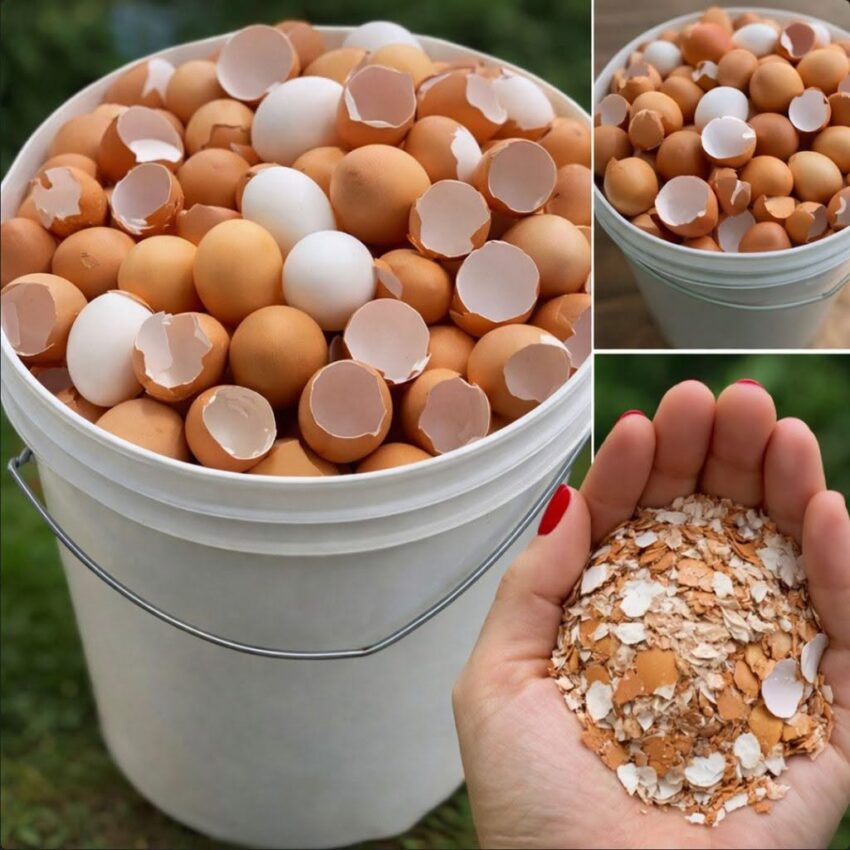
Don’t throw away eggshells! Learn how to safely clean, boil, and reuse eggshells for gardening and household purposes while avoiding common mistakes with this kitchen leftover.
Eggshells usually go straight into the trash after breakfast, but they don’t necessarily have to.
Because eggshells are primarily made of calcium carbonate, gardeners have long reused crushed shells in compost and soil-related applications. However, many viral claims about eggshell water promise dramatic results that aren’t supported by good evidence.
If you have leftover shells, here’s a practical way to prepare and reuse them.
Why Do People Boil Eggshells?
Boiling eggshells is often recommended online as a way to make a mineral-rich “eggshell water.”
The basic idea is that some minerals from the shells may enter the water during heating. However, simply boiling eggshells doesn’t create a miracle fertilizer, and the amount of calcium released can vary.
For gardening, crushed or finely ground eggshells added to compost or soil are generally more practical than relying on eggshell water.
Step 1: Save the Shells
After cooking eggs, collect the shells rather than throwing them away.
Rinse away remaining egg residue. This helps reduce unpleasant odors and makes the shells cleaner to handle.
Step 2: Boil the Eggshells
Place the cleaned shells in a saucepan and cover them with water.
Bring the water to a boil and allow the shells to boil for several minutes.
Then carefully drain the water and allow the shells to cool.
Step 3: Dry Them Completely
Spread the shells on a clean tray and allow them to dry thoroughly.
You can also dry them in a low-temperature oven if appropriate for your equipment.
Completely dry shells are easier to crush and store.
Step 4: Crush the Shells
Once dry, crush the shells into small pieces.
For gardening, grinding them into a fine powder increases their surface area and makes them more useful as a soil amendment.
A mortar and pestle, food processor, or dedicated grinder can be used.
If you use a kitchen appliance, clean it thoroughly afterward and avoid equipment that you also use for food preparation if contamination is a concern.
How Can Eggshells Be Used in the Garden?
1. Add Them to Compost
Crushed eggshells can be added to a home compost pile.
They contribute calcium-containing material, although they break down relatively slowly.
2. Add Them to Soil
Finely ground eggshells can add calcium to soil over time.
However, they aren’t a universal fertilizer. Plants also need nutrients such as nitrogen, phosphorus, potassium, and various micronutrients.
If your soil doesn’t need additional calcium, adding large quantities of eggshells may provide little benefit.
3. Use Them Around Plants
Some gardeners scatter crushed eggshells around plants as a traditional approach to discouraging certain soft-bodied pests.
The effectiveness is inconsistent, however, so don’t rely on eggshells as your primary pest-control method.
What About Eggshell Water?
You may see claims that boiled eggshell water can make plants grow dramatically faster, produce more flowers, or “cure” yellow leaves.
These claims are often exaggerated.
Plant problems can result from many causes, including poor lighting, incorrect watering, nutrient deficiencies, pests, disease, or unsuitable soil.
Eggshell water isn’t a universal solution.
Don’t Use Eggshells to “Cure” Every Plant Problem
If a plant has yellow leaves, wilting, brown edges, or poor growth, identify the actual cause before adding homemade amendments.
Adding unnecessary calcium won’t fix problems caused by:
- Overwatering
- Underwatering
- Poor drainage
- Lack of sunlight
- Root damage
- Pest infestations
- Nutrient deficiencies unrelated to calcium
An Important Safety Tip
Never assume that eggshells are automatically sterile simply because they came from a clean kitchen.
If you plan to reuse shells, washing and heat-treating them can reduce contamination, and you should handle them hygienically.
Don’t consume homemade eggshell water or powdered eggshells as a calcium supplement without professional guidance. Eggshells can carry bacteria if improperly handled, and excessive calcium intake isn’t appropriate for everyone.
A Better Zero-Waste Habit
Instead of throwing eggshells into the garbage, you can:
- Rinse them
- Boil or heat-treat them
- Dry them completely
- Crush them finely
- Add them to compost or use them appropriately in the garden
It’s a simple way to make use of a kitchen leftover.
The Bottom Line
Boiled eggshells aren’t a miracle solution, but they don’t have to be waste either.
Their calcium content makes properly prepared, crushed eggshells potentially useful in composting and gardening. Just don’t expect eggshell water to magically transform your plants overnight.
The best results come from using eggshells as a small part of good gardening practices—not as a replacement for proper soil testing, watering, sunlight, fertilization, or pest management.