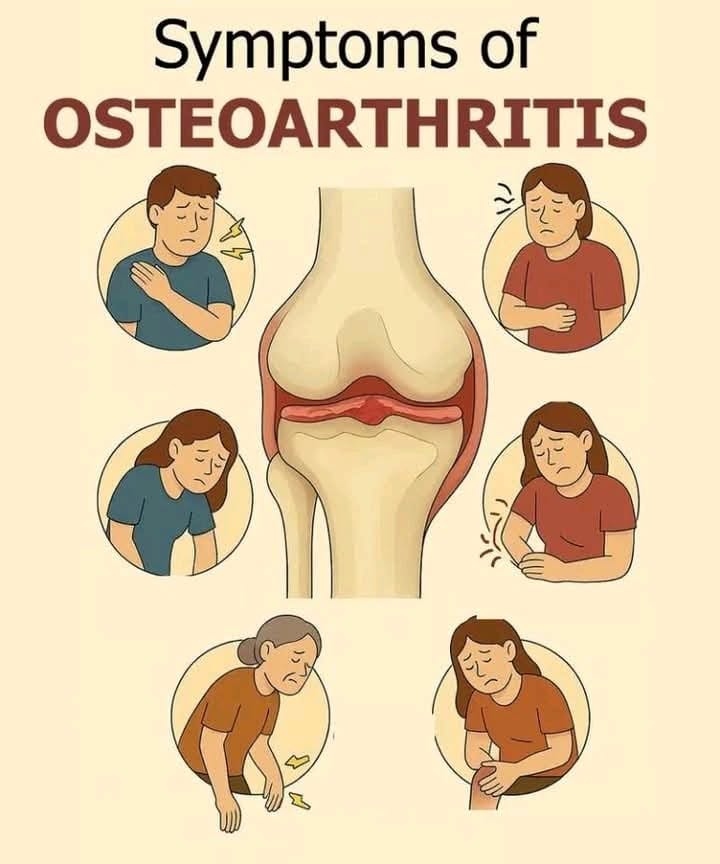
Osteoarthritis is one of the most common forms of arthritis. It happens when the tissues within a joint gradually change and become damaged over time. Although it is often associated with getting older, osteoarthritis can affect adults at different ages.
The symptoms can develop slowly and may initially seem like ordinary aches and stiffness. Learning to recognize the common signs can help you seek appropriate medical advice and find ways to manage symptoms before they begin interfering significantly with everyday activities.
What Is Osteoarthritis?
Osteoarthritis is a condition that affects joints. It commonly involves the knees, hips, hands, spine, and other weight-bearing or frequently used joints.
Healthy joints allow bones to move smoothly against one another. With osteoarthritis, changes occur in the cartilage and other tissues surrounding the joint. These changes can contribute to pain, stiffness, swelling, and reduced movement.
Osteoarthritis is sometimes described as a simple “wear-and-tear” condition, but that description doesn’t tell the whole story. It involves changes in the entire joint, including cartilage, bone, the joint lining, and surrounding tissues.
1. Joint Pain
Pain is one of the most recognizable symptoms of osteoarthritis.
At first, discomfort may occur mainly when you use the affected joint—for example, after walking, climbing stairs, exercising, or spending a long time on your feet.
As the condition progresses, pain may become more frequent.
The location of pain depends on which joint is affected. Knee osteoarthritis, for example, may cause discomfort when walking or standing, while hand osteoarthritis can make gripping or opening containers uncomfortable.
2. Stiffness After Rest
Another common symptom is joint stiffness.
You may notice stiffness:
- After waking in the morning
- After sitting for a long time
- After traveling
- After watching television or working at a desk
- When getting up after resting
Osteoarthritis stiffness often improves once you begin moving the joint.
Persistent or severe morning stiffness can have other causes, however, so it should not automatically be attributed to osteoarthritis.
3. Swelling Around the Joint
An affected joint may sometimes appear swollen.
Swelling can occur because of inflammation or changes within the joint. The area may feel different from the opposite side, particularly after increased activity.
If swelling develops suddenly, is severe, or is accompanied by significant redness, warmth, fever, or severe pain, medical evaluation is important because other conditions can cause these symptoms.
4. Reduced Range of Motion
Osteoarthritis can gradually make it harder to move a joint through its normal range.
For example, someone with knee or hip osteoarthritis may find it increasingly difficult to bend the joint fully. Hand osteoarthritis can make certain movements, such as gripping or making a fist, uncomfortable.
Reduced flexibility can develop gradually, so you may not notice it until an everyday activity becomes more difficult.
5. Cracking, Clicking, or Grinding Sounds
Some people with osteoarthritis notice sounds or sensations when moving an affected joint.
These may include:
- Clicking
- Cracking
- Popping
- Grinding
- A rough or grating sensation
Joint noises can also occur in healthy joints and don’t necessarily mean that you have arthritis. They become more meaningful when they occur together with pain, stiffness, swelling, or reduced movement.
6. Tenderness Around the Joint
An osteoarthritic joint may become tender when pressure is applied around it.
For example, the area around an affected knee or the small joints of the fingers may feel uncomfortable when touched or pressed.
Tenderness can also occur with several other musculoskeletal conditions, so it is not enough by itself to diagnose osteoarthritis.
7. Changes in the Hands and Fingers
Osteoarthritis can affect the small joints of the hands.
You might notice:
- Pain when gripping objects
- Difficulty opening jars
- Stiff fingers
- Reduced hand strength
- Swelling around finger joints
- Enlarged or knobby-looking joints
These changes can make everyday tasks such as writing, cooking, dressing, or using household objects more difficult.
8. Difficulty With Everyday Activities
As symptoms become more significant, osteoarthritis may affect normal daily activities.
Depending on the joint involved, you might have difficulty:
- Climbing stairs
- Walking long distances
- Getting up from a chair
- Bending down
- Opening containers
- Holding objects
- Getting dressed
- Performing household chores
This doesn’t mean that these activities should necessarily be avoided. In many cases, appropriate physical activity and strengthening exercises are important parts of managing osteoarthritis.
When Should You Talk to a Doctor?
Consider speaking with a healthcare professional if joint pain, stiffness, swelling, or reduced movement persists or begins interfering with your normal activities.
You should also seek medical advice if you are unsure whether your symptoms are actually caused by osteoarthritis. Several other conditions—including rheumatoid arthritis, gout, injuries, bursitis, and other joint problems—can cause similar symptoms.
A healthcare professional can consider your symptoms, medical history, physical examination, and, when appropriate, imaging or other tests.
Can Osteoarthritis Be Prevented?
There is no guaranteed way to prevent osteoarthritis, and some risk factors cannot be changed.
However, maintaining a healthy weight, staying physically active, strengthening the muscles around vulnerable joints, protecting joints from injury, and managing existing joint problems may help reduce the risk or severity of symptoms.
If you already have osteoarthritis, regular movement is generally more helpful than completely avoiding activity. A doctor or physiotherapist can help determine which exercises are appropriate for you.
The Bottom Line
Osteoarthritis often develops gradually, and its symptoms can initially seem like normal aches and stiffness.
Joint pain, stiffness after rest, swelling, tenderness, reduced range of motion, and grinding or clicking sensations can all occur with osteoarthritis. However, these symptoms can also have other causes.
Don’t diagnose yourself based on one symptom alone. If joint symptoms persist, worsen, or interfere with everyday life, getting an appropriate medical evaluation is the best way to determine the cause and discuss treatment options.
Early attention can help you understand what’s happening and develop a plan for maintaining movement, strength, and quality of life.