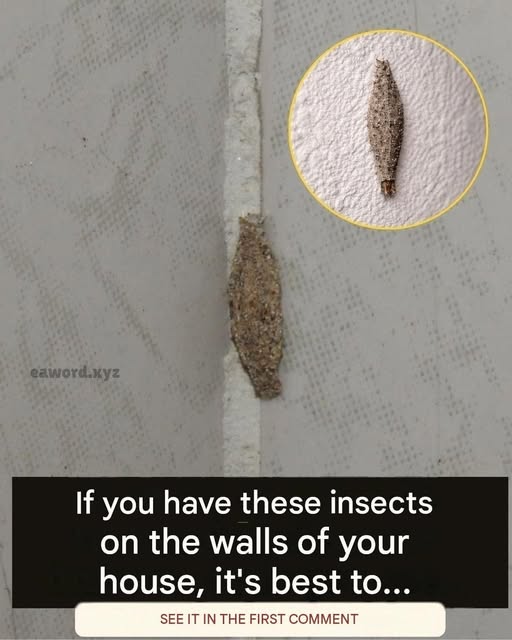
Discover the curious insects that may live inside walls and ceilings, why they appear, what attracts them, and simple ways to prevent and control an infestation safely.
The Curious Insect That Lives in the Walls and Ceilings of the Home
Have you ever heard tiny scratching, clicking, or rustling sounds coming from inside a wall or ceiling? Or perhaps you have noticed small insects suddenly appearing around windows, lights, or ceiling corners. These mysterious visitors can be surprisingly difficult to identify because they may spend most of their lives hidden from view.
One group of insects commonly associated with hidden spaces in homes is carpenter ants. Unlike termites, carpenter ants do not eat wood for nutrition. They excavate galleries in damp or damaged wood to create nests, which can sometimes be located inside wall cavities, ceilings, window frames, or roof structures.
Why Do They Get Inside Walls and Ceilings?
Insects generally enter homes because they find favorable conditions such as moisture, warmth, food, shelter, or easy access.
Carpenter ants are particularly attracted to wood that has been weakened by moisture. A leaking roof, plumbing problem, condensation, or poorly ventilated area can create suitable nesting conditions.
Other insects can also hide in wall and ceiling spaces, including termites, cockroaches, beetles, and various small household pests.
Signs You Might Have an Insect Infestation
Look for several clues rather than relying on one symptom.
1. Scratching or Rustling Sounds
At night, when the house is quiet, you may hear faint movement inside walls or ceilings. While insects can sometimes produce sounds, noises can also come from rodents or other animals, so identification is important.
2. Small Insects Around Windows and Lights
Some insects emerge from hidden areas and move toward light. Finding several insects repeatedly in the same location may indicate that their nesting or hiding place is nearby.
3. Tiny Holes in Wood
Small openings in wooden trim, beams, furniture, or ceiling structures can sometimes indicate insect activity.
4. Fine Debris
Carpenter ants may push wood particles and other debris out of their galleries. Finding unusual material beneath wooden structures can be a warning sign.
5. Damaged or Damp Wood
Pay particular attention to areas around leaking pipes, roofs, bathrooms, kitchens, and poorly ventilated spaces.
Carpenter Ants vs. Termites
These two insects are often confused.
Carpenter ants excavate wood to create nesting galleries but generally do not consume the wood.
Termites, on the other hand, feed on cellulose-containing materials such as wood and can cause significant structural damage.
Because the treatment can be very different, it is better not to assume which insect you have based only on appearance.
What Attracts These Insects?
Several household conditions can make a home more attractive to insects:
- Excess moisture
- Leaking roofs or pipes
- Damp wooden structures
- Cracks around windows and doors
- Gaps around utility lines
- Poor ventilation
- Accumulated food or organic debris
- Wood stored close to the house
Keeping the home dry and sealing potential entry points can reduce the chances of an infestation.
How to Prevent Insects From Hiding in Your Home
Start by addressing moisture. Repair leaks promptly and improve ventilation in bathrooms, kitchens, attics, and other humid areas.
Inspect wooden structures periodically, especially if the house has experienced water damage.
You should also seal cracks and openings around doors, windows, pipes, and electrical penetrations. Keep firewood and other untreated wood away from the exterior walls of the home.
Regular cleaning can help too, particularly in areas where crumbs, food residue, or organic material accumulate.
When Should You Call a Professional?
If you repeatedly see insects emerging from a wall or ceiling, notice significant wood damage, or suspect termites, professional inspection is worthwhile.
Trying to eliminate visible insects without finding the nest or source may only provide temporary relief. A pest professional can identify the species and determine whether there is hidden activity inside the structure.
Final Thoughts
The next time you notice a tiny insect appearing from a wall or ceiling, don’t automatically assume it is harmless. Hidden insect activity can sometimes point to moisture problems, damaged wood, or a nest inside the structure.
The key is to identify the insect correctly, investigate the source, eliminate moisture problems, and seal possible entry points. Early attention can help prevent a small pest problem from becoming a much larger—and more expensive—one.