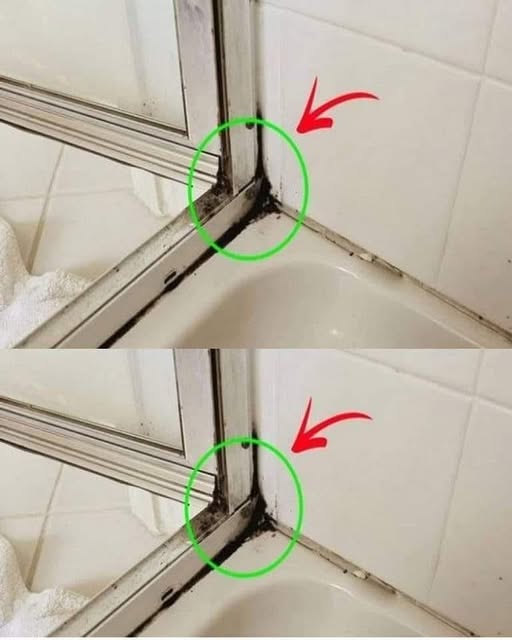
Discover a simple, effective way to remove mildew from shower silicone, prevent it from returning, and know when damaged silicone needs to be replaced.
Shower silicone is one of those places where mildew seems to appear out of nowhere. One day the seal around your bathtub or shower looks clean, and a few weeks later you notice black spots creeping along the edges.
The good news is that small areas of surface mildew can often be cleaned without replacing the silicone. The key is to treat the affected area properly and keep it dry afterward.
Why Does Mildew Grow on Shower Silicone?
Bathrooms provide almost everything mildew needs: moisture, warmth, and poor ventilation.
Silicone seals are particularly vulnerable because soap residue, body oils, and water can collect along the edges. If the area stays damp for long periods, mold and mildew can develop.
Black discoloration doesn’t always mean the entire silicone seal is ruined. Sometimes the growth is only on the surface.
The Quick Cleaning Method
For a small amount of mildew, start with a dedicated bathroom mold-and-mildew cleaner or another product specifically labeled for use on bathroom silicone.
Step 1: Ventilate the Bathroom
Open a window or turn on the exhaust fan before cleaning.
Wear gloves and avoid breathing directly over the treated area.
Step 2: Clean Away Surface Dirt
First remove soap scum and dirt with warm water and a bathroom cleaner.
Rinse and dry the silicone.
This helps the mildew treatment work more effectively.
Step 3: Apply the Mildew Cleaner
Apply the product according to its label instructions.
Allow it to remain on the affected area for the recommended contact time. Don’t mix different cleaning products together.
Never mix bleach with ammonia, acids, vinegar, or other household cleaners. Dangerous fumes can result.
Step 4: Scrub Gently
Use an old soft toothbrush or suitable cleaning brush to work on the discolored areas.
Avoid aggressively scraping the silicone because damaged or cracked sealant can allow water underneath.
Step 5: Rinse and Dry
Rinse the area thoroughly if the product instructions call for rinsing.
Then dry the silicone completely with a clean towel.
Keeping the seal dry afterward is one of the most important steps in preventing the mildew from returning.
What If the Black Stains Won’t Come Off?
This is where many people waste time.
If the dark discoloration has penetrated inside the silicone, cleaning the surface may not remove it completely.
Look closely at the seal.
If you notice:
- Cracks or gaps
- Peeling silicone
- Persistent black discoloration beneath the surface
- Soft or deteriorating sealant
- Water getting behind the seal
then replacing the silicone may be the better solution.
The old sealant should be removed completely, the underlying surface cleaned and allowed to dry thoroughly, and fresh bathroom-grade silicone applied.
How to Stop Mildew From Coming Back
Cleaning the silicone once isn’t enough if the bathroom remains constantly damp.
Try these simple habits:
Run the exhaust fan. Keep it running during and after showers to reduce humidity.
Dry the shower walls. A quick wipe or squeegee can significantly reduce the amount of water left behind.
Keep the silicone clean. Soap residue can accumulate around the seal.
Don’t leave wet towels in the bathroom. They add additional moisture to the air.
Fix leaks promptly. Constant moisture around a seal makes mildew much more likely.
One Important Mistake to Avoid
Don’t simply cover blackened silicone with a new layer of silicone.
If the existing seal is moldy, damaged, or failing, the old material should generally be removed first. Applying new silicone over a contaminated or wet surface can trap moisture and cause the problem to return.
The Bottom Line
For surface mildew, a properly labeled bathroom mildew cleaner, good ventilation, gentle cleaning, and thorough drying can often make a noticeable difference.
But if the mildew has penetrated the silicone or the seal itself is damaged, replacement is usually more effective than repeatedly cleaning it.
And remember: never mix cleaning chemicals. A spotless shower isn’t worth risking dangerous fumes.