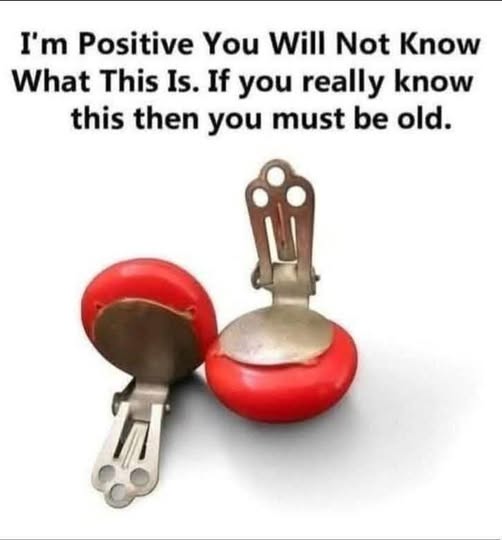
Discover the fascinating history of vintage button hooks and shoe fasteners—small everyday tools that once made dressing easier and became a familiar part of wardrobes from a bygone era.
There was a time when getting dressed involved considerably more effort than simply slipping on a pair of modern shoes or pulling up a zipper.
Before Velcro, elastic closures, and modern convenient fasteners became commonplace, people relied on a collection of clever little tools to help with clothing and footwear. Among the most interesting of these forgotten objects is the vintage button hook and shoe fastener.
Small, simple, and often beautifully made, these tools were designed for a very practical purpose: helping people fasten buttons, shoes, boots, and other difficult closures without struggling with their fingers.
Today, they may look like mysterious pieces of metal from another era. But for earlier generations, they could be an essential part of getting dressed.
What Is a Button Hook?
A traditional button hook is a small handheld tool consisting of a handle and a thin metal shaft ending in a small hook.
The hook was designed to catch the loop attached to a garment or shoe and pull it over a button.
This was particularly useful for clothing and footwear with small, closely spaced buttons, which could be frustrating to fasten manually.
The handle might be made from wood, bone, celluloid, Bakelite, metal, or another decorative material depending on the period and quality of the item.
Some examples were extremely simple, while others were surprisingly elegant.
How Did People Use It?
Using a button hook was relatively straightforward.
The hook was inserted through the button loop. The user then caught the loop and pulled it back over the button.
Instead of trying to pinch a tiny loop between the fingertips, the tool provided leverage and made the process much easier.
This became especially useful with footwear.
Tall button boots, gaiters, and certain styles of women’s shoes could contain numerous tiny buttons. Fastening them one by one could take considerable time.
A small button hook turned what could be an awkward task into a much simpler one.
The Shoe Fastener
The term shoe fastener can refer to tools designed specifically to help with footwear closures.
Some vintage examples combined a button hook with another mechanism intended to assist with shoe fasteners or laces.
During periods when shoes were commonly secured with numerous buttons, hooks, or other closures, having a dedicated tool made practical sense.
Modern shoes are generally designed for convenience. Earlier footwear often prioritized appearance and construction in ways that required more patience from the wearer.
A button hook was therefore a small but useful solution to an everyday problem.
Why Were Button Boots So Difficult to Fasten?
Button boots became fashionable in the late 19th and early 20th centuries.
Rather than using a single zipper or a few large fasteners, some designs featured rows of small buttons running along the side of the shoe or boot.
The result could be stylish and elegant—but not particularly convenient.
Imagine having to fasten a dozen or more tiny buttons every time you put on your shoes.
A button hook allowed the wearer to complete the task without repeatedly fumbling with the buttons.
For people who wore these shoes regularly, the little tool could become just as familiar as a modern shoehorn.
A Small Object With a Big Story
One reason vintage button hooks are fascinating today is that they reveal how much everyday life has changed.
Objects like these rarely received the same attention as expensive antiques or major household inventions. They were ordinary household tools.
Yet they tell us something important about the people who used them.
They show us what clothing looked like, how garments were constructed, what people considered fashionable, and how much time was once spent on everyday dressing.
A tiny metal hook can therefore provide a surprising glimpse into social history.
Materials and Designs
Vintage button hooks came in many different designs.
Metal Handles
Some were made almost entirely from metal. These tend to have a simple, utilitarian appearance and were designed primarily for durability.
Wooden Handles
Wooden handles could make the tool more comfortable to hold and are often associated with older or more decorative examples.
Bakelite and Early Plastics
As early plastics became popular, manufacturers began incorporating materials such as Bakelite and celluloid into everyday objects.
These examples can be particularly interesting to collectors because of their colors, shapes, and period-specific designs.
Decorative Examples
Some button hooks were more attractive than strictly necessary.
Decorative handles, engraved surfaces, unusual shapes, and presentation cases could turn a practical dressing tool into something that reflected the owner’s taste.
More Than Just a Household Tool
Like many vintage accessories, button hooks could also be associated with travel.
A person traveling with formal clothing and buttoned footwear might carry a small dressing tool as part of a personal grooming or clothing kit.
Compact tools were especially convenient because they took up very little space.
Some were sold individually, while others could be found as part of larger sets containing items such as shoehorns, boot hooks, brushes, or other dressing accessories.
Why Did They Disappear?
The decline of the button hook was closely connected to changes in fashion and manufacturing.
As zippers, snaps, elastic materials, and simpler shoe designs became increasingly common, there was less need for specialized tools.
Footwear gradually became easier to put on and remove.
The everyday problem that had made the button hook useful was disappearing.
Once people stopped wearing large numbers of buttoned shoes and garments, the tool itself became unnecessary.
Eventually, it moved from the bedroom drawer and dressing table into antique shops, estate sales, sewing boxes, and collectors’ cabinets.
Why Collectors Find Them Interesting
Vintage button hooks are relatively small, but collectors appreciate them for several reasons.
Historical value: They represent everyday life from an earlier period.
Design: Some have beautifully shaped handles and interesting materials.
Rarity: Certain unusual or highly decorative examples can be harder to find.
Nostalgia: They remind people of a time when dressing routines were very different.
Craftsmanship: Older examples often demonstrate thoughtful construction despite their simple purpose.
The most valuable examples aren’t necessarily the oldest. Condition, materials, unusual design, manufacturer markings, provenance, and rarity can all affect collector interest.
How to Identify One
If you discover a strange little metal tool in an old sewing box, dresser drawer, or collection of vintage accessories, look for a few clues.
A small hook at the end of a narrow metal shaft is one of the biggest indicators.
Then examine the handle.
Is it wood? Bakelite? Bone? Celluloid? Metal?
Look for engraved markings, manufacturer names, patent information, or decorative details.
The overall construction can also provide clues about its age.
However, identifying a vintage object accurately can sometimes require comparing it with period catalogs, advertisements, or specialized collector references.
The Charm of Forgotten Objects
Perhaps the most enjoyable thing about objects like vintage button hooks is that they initially seem completely mysterious.
Someone discovers one in an old box and wonders:
“What on earth was this used for?”
Once its purpose is understood, however, the object suddenly makes sense.
It becomes a physical reminder of an earlier lifestyle.
The tool wasn’t designed to be impressive. It wasn’t a luxury gadget or technological breakthrough.
It simply solved a small problem.
And that’s exactly why it is so interesting.
A Reminder of How Quickly Everyday Life Changes
Today, most people rarely think about the mechanics of fastening their shoes.
We tie laces, pull a zipper, use Velcro, or simply slip our feet into modern footwear.
Earlier generations had entirely different routines.
A tiny button hook represents that difference beautifully.
It shows how even the smallest changes in clothing design can eventually make an entire category of household tools obsolete.
What was once a practical necessity can become a forgotten curiosity within just a few generations.
Final Thoughts
The vintage button hook and shoe fastener may be small, but its story is surprisingly large.
It represents changing fashions, evolving technology, everyday ingenuity, and the gradual disappearance of once-familiar household routines.
If you ever find one tucked away in an old sewing box, antique drawer, or estate-sale collection, don’t dismiss it as a random piece of metal.
That little hook may have once been an essential part of someone’s daily dressing routine.
Sometimes the most ordinary objects from the past have the most fascinating stories to tell.