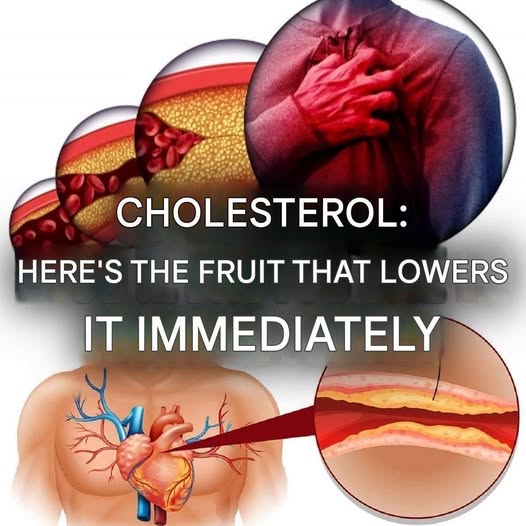
Discover how this nutrient-rich fruit may support healthy blood pressure, cholesterol and heart health, plus its fiber, potassium and antioxidant benefits.
When people hear that a particular fruit can “control blood pressure” or “lower cholesterol,” it is easy to imagine a miracle food.
The reality is more interesting—and more useful.
Certain fruits contain a combination of fiber, potassium, antioxidants and plant compounds that can support cardiovascular health when eaten as part of an overall healthy diet. They don’t replace blood-pressure or cholesterol medication, but regularly including the right fruits may contribute to better heart health over time.
One fruit that often attracts attention for these reasons is avocado.
Unlike most fruits, avocado is naturally rich in healthy unsaturated fats as well as fiber and potassium, making it particularly interesting from a heart-health perspective.
Why Avocado Stands Out
Avocado is technically a fruit, but nutritionally it is quite different from many sweet fruits.
Instead of being mainly a source of natural sugars and carbohydrates, avocado provides:
- Monounsaturated fats
- Dietary fiber
- Potassium
- Folate
- Magnesium
- Vitamin K
- Vitamin E
- Several antioxidant and plant compounds
This combination can make avocado a useful addition to a balanced eating pattern.
But it’s important to understand that one food does not control blood pressure or cholesterol by itself.
Can Avocado Help With Blood Pressure?
Potassium is one reason avocado is sometimes associated with healthy blood pressure.
Potassium helps balance sodium in the body and plays an important role in normal blood-vessel and muscle function.
For people whose diets are low in potassium, increasing potassium-rich foods may be beneficial for maintaining healthy blood pressure.
Avocado can contribute potassium to the diet, but it should be viewed as one part of a larger eating pattern that includes vegetables, fruits, whole grains, legumes, nuts and other nutrient-rich foods.
People with kidney disease should not dramatically increase potassium intake without speaking with their healthcare professional because the kidneys play an important role in maintaining potassium levels.
What About Cholesterol?
This is where avocado becomes particularly interesting.
Avocado contains mostly monounsaturated fat, the same broad type of unsaturated fat found in foods such as olive oil and some nuts.
Replacing foods high in saturated fat with foods containing unsaturated fats can support a healthier cholesterol profile.
Avocado also provides fiber, including soluble fiber, which can contribute to heart-healthy eating patterns.
However, eating avocado does not mean that LDL cholesterol will automatically fall.
Your overall diet matters much more than any single ingredient.
Its Fiber May Be Helpful
Fiber is another reason to include fruit regularly.
Avocado contains a significant amount of dietary fiber. Fiber helps support normal digestion and can contribute to feelings of fullness after eating.
Certain types of fiber can also help support healthy cholesterol levels.
A diet containing enough fiber may additionally support a healthier gut environment and regular bowel movements.
If you’re increasing fiber, however, do it gradually and drink enough fluids to reduce the chance of digestive discomfort.
Antioxidants Add Another Benefit
Avocado contains several nutrients and plant compounds with antioxidant properties.
Antioxidants help protect cells from oxidative stress. Fruits and vegetables provide a wide variety of these compounds, which is one reason nutrition experts generally encourage eating a variety of colorful plant foods rather than relying on a single “superfood.”
The goal isn’t to find one magical fruit.
It’s to create a diet that provides many different nutrients consistently.
Could It Help With Weight Management?
Avocado is relatively calorie-dense because it contains healthy fats.
That doesn’t make it unhealthy.
Fat can help make meals more satisfying, and the combination of fat and fiber may help you feel full.
However, portions still matter if you’re trying to lose or maintain weight.
Adding large amounts of avocado to an already high-calorie diet won’t necessarily help with weight control.
A practical approach is to use a moderate portion in place of less nutritious foods rather than simply adding it on top of everything else.
The Best Way to Eat It
You don’t need a complicated recipe.
Try avocado:
- Spread on whole-grain toast
- Added to a salad
- Mixed into a bean or chickpea bowl
- Served with eggs and vegetables
- Added to a sandwich instead of mayonnaise
- Mashed with lemon and herbs as a simple dip
The key is what the avocado replaces.
Replacing butter, processed spreads or foods high in saturated fat with avocado may be more meaningful than simply adding avocado to your existing diet.
What About Other Fruits?
Avocado isn’t the only fruit associated with heart-friendly nutrition.
Other fruits provide different combinations of nutrients and plant compounds.
Berries provide anthocyanins and other polyphenols.
Citrus fruits provide vitamin C and flavonoids.
Bananas and other fruits contribute potassium.
Apples and pears provide fiber.
Pomegranates and grapes contain various polyphenols.
This is why eating a variety of fruits is generally more beneficial than becoming overly focused on one “miracle” fruit.
Don’t Stop Blood Pressure or Cholesterol Medication
This is particularly important.
If you take medication for high blood pressure or high cholesterol, adding avocado or another healthy food to your diet does not mean you should stop your medication.
High blood pressure and high LDL cholesterol often have no obvious symptoms, yet they can increase the risk of cardiovascular disease.
Medication decisions should be made with your healthcare professional based on your blood tests, blood pressure readings, medical history and overall risk.
Who Should Be Careful?
Avocado is nutritious for many people, but certain individuals may need to consider portion size or potassium intake.
People with kidney disease or problems regulating potassium should ask their healthcare professional before substantially increasing high-potassium foods.
Anyone with a known food allergy should also avoid the food that causes their reaction.
And because avocado is calorie-dense, people following a calorie-controlled diet may want to pay attention to portions.
The Bigger Picture
The most powerful “heart-health trick” isn’t usually a single food.
It’s a pattern.
Eating more fruits and vegetables, choosing unsaturated fats instead of saturated fats, getting enough fiber, limiting excess sodium, staying physically active, maintaining a healthy weight and avoiding tobacco can all contribute to cardiovascular health.
A nutrient-rich fruit can be part of that pattern—but it cannot compensate for an otherwise unhealthy lifestyle.
Final Thoughts
Avocado has earned its reputation as a nutrient-dense fruit for good reason.
Its combination of monounsaturated fats, fiber, potassium and other nutrients makes it a useful addition to a heart-conscious diet.
It may support a healthier cholesterol profile and contribute nutrients important for maintaining healthy blood pressure, especially when it replaces foods higher in saturated fat.
But calling any fruit a cure for high blood pressure or high cholesterol would be misleading.
The real benefit comes from making nutritious foods part of your everyday eating pattern.
Sometimes the most powerful “superfood” isn’t a miracle ingredient at all—it’s simply a healthy food that you eat consistently as part of a balanced diet.