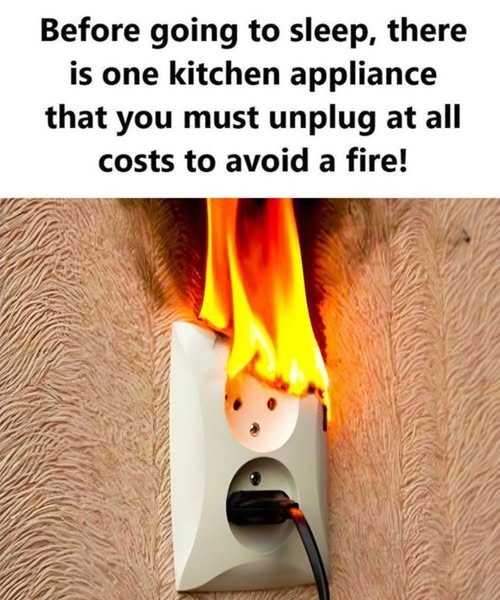
Your kitchen may look completely safe when you go to bed, but some everyday appliances can still pose electrical or fire risks when they are left plugged in unnecessarily.
One appliance that deserves particular attention is the toaster.
Although a toaster is simple to use, it contains heating elements that become extremely hot. Crumbs and food particles can also collect inside over time. The U.S. Fire Administration recommends unplugging small appliances when they are not being used and specifically warns that crumbs in a toaster can catch fire.
Why Should You Unplug Your Toaster?
A toaster is designed to produce significant heat in a small area. During normal operation, its heating elements become hot enough to toast bread within minutes.
The problem is not that every plugged-in toaster will automatically start a fire. Rather, unplugging an appliance when you don’t need it removes one unnecessary source of electrical risk.
This is especially sensible overnight, when nobody is awake to notice smoke, unusual smells, overheating, or an electrical problem.
Crumbs Can Become a Fire Hazard
Many people rarely think about what happens inside their toaster.
Small pieces of bread and crumbs can fall through the slots and accumulate at the bottom. If enough debris builds up, it can potentially ignite when the toaster is operating.
The U.S. Fire Administration specifically advises keeping cooking equipment clean because crumbs in a toaster and grease on a stove can catch fire.
That’s why cleaning your toaster according to the manufacturer’s instructions is just as important as unplugging it.
Don’t Use a Toaster With a Damaged Cord
Before using any electrical kitchen appliance, inspect its cord and plug.
If you notice:
- Frayed or cracked insulation
- Exposed wires
- Burn marks
- A loose plug
- Signs of overheating
- Damage around the socket
stop using the appliance and replace or professionally repair it as appropriate.
The U.S. Fire Administration advises replacing appliances with cracked, damaged, or loose cords.
What About Coffee Makers and Other Appliances?
The toaster isn’t the only kitchen appliance worth remembering.
Small appliances such as coffee makers, electric kettles, blenders, air fryers, toaster ovens, and other countertop cooking devices should be used according to their manufacturer’s safety instructions.
Fire-safety guidance recommends unplugging small appliances when they are not in use.
For heat-producing appliances, proper electrical connections are particularly important. The National Fire Protection Association advises against overloading outlets and recommends plugging only one heat-producing appliance into an outlet at a time.
Never Use an Extension Cord Improperly
Another common mistake is connecting cooking appliances to unsuitable extension cords or overloaded power strips.
The U.S. Fire Administration recommends plugging major appliances directly into wall outlets and warns that extension cords can overheat when used with major appliances. It also recommends directly plugging cooking appliances such as microwaves into appropriate wall outlets.
Always follow the electrical requirements supplied by the appliance manufacturer.
What Should You Do Before Going to Bed?
A simple nighttime kitchen check can reduce unnecessary risks.
Before leaving the kitchen for the night:
- Unplug small countertop appliances that aren’t designed or required to remain powered.
- Make sure the toaster is completely off and unplugged.
- Check that the stove and oven are switched off.
- Keep towels, paper products, packaging, and other flammable materials away from cooking appliances.
- Clean crumbs and grease from cooking equipment according to manufacturer instructions.
- Look for damaged electrical cords or loose plugs.
- Avoid overloading outlets and power strips.
- Make sure your smoke alarms are working.
The U.S. Fire Administration emphasizes staying attentive while cooking and keeping materials that can burn away from cooking surfaces.
Don’t Forget the Stove
While countertop appliances deserve attention, the stove remains an especially important source of kitchen-fire risk.
Cooking is the leading cause of home fires and home fire injuries in the United States, according to the U.S. Fire Administration. Unattended cooking equipment was identified as a leading contributing factor in nonconfined home cooking fires.
Never leave cooking unattended, particularly when frying, boiling, grilling, or broiling.
If you need to leave the kitchen, turn the cooking appliance off.
What If an Appliance Starts Smoking or Burning?
If an electrical appliance begins smoking, sparking, or burning, don’t take unnecessary risks trying to investigate it.
If it is safe to do so, disconnect the power or switch off the appliance. If there is an active fire that you cannot safely control, leave the area, get everyone out, and contact your local emergency service.
Never put yourself in danger attempting to save an appliance.
The Bottom Line
You don’t need to panic about every appliance that remains plugged into your kitchen. However, unplugging small countertop appliances when they aren’t being used is a simple precaution recommended by fire-safety authorities.
The toaster deserves particular attention because it produces intense heat and can accumulate combustible crumbs.
A few seconds spent unplugging and checking your kitchen before bed can become a useful part of your nighttime safety routine.
Meta Description
Discover why unplugging your toaster and other small kitchen appliances at night can reduce unnecessary fire risks, plus simple kitchen safety habits recommended by fire authorities.