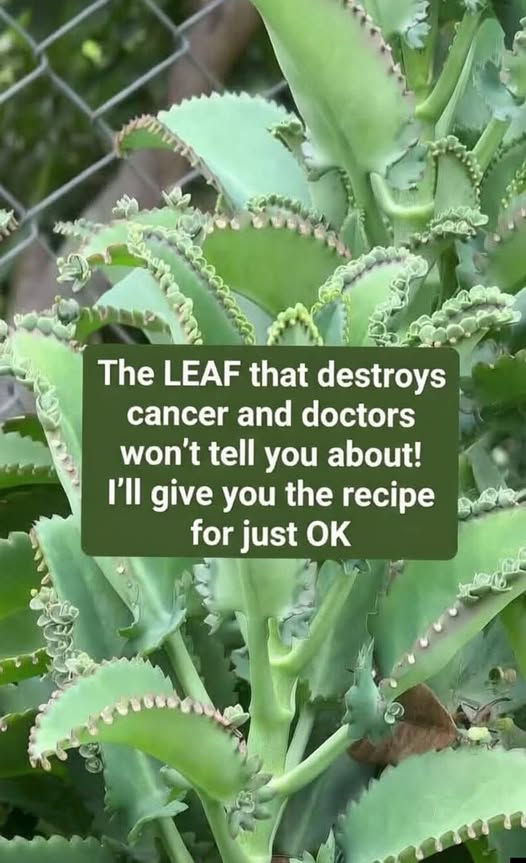
Discover the truth behind popular claims about leaves and plants that may have potential anticancer properties, what research actually shows, and why no single leaf can replace proven cancer treatment.
The Leaf That People Claim Can Fight Cancer — What You Should Really Know
You may have seen dramatic claims online about a particular leaf that supposedly “destroys cancer” or works better than conventional treatment. These headlines can be attention-grabbing, but cancer is far more complicated than social media posts often suggest.
Some plants contain naturally occurring compounds that researchers are studying for their potential effects on cancer cells. Laboratory research has identified substances with antioxidant, anti-inflammatory, or other biological properties. However, showing an effect in a laboratory or animal study does not mean that eating the plant will treat or cure cancer in people.
Why These Claims Spread So Quickly
Cancer-related health stories often become viral because they offer a simple solution to a complicated disease. A headline promising that one inexpensive leaf can eliminate cancer sounds hopeful, particularly to people searching for natural alternatives.
The reality is that cancer includes many different diseases, each with different causes, genetic characteristics, treatments, and outcomes. What affects one type of cancer may have no meaningful effect on another.
Can Plants Have Anticancer Properties?
Yes. Researchers have investigated thousands of compounds derived from plants. Some have demonstrated interesting biological activity in laboratory studies, and a number of modern medicines have originated from natural compounds.
But there is an important distinction between a plant containing a potentially useful compound and the plant itself being a proven cancer treatment.
Dosage, absorption, metabolism, toxicity, and interactions with medications all matter. A compound that shows promise in a laboratory may require purification, specific dosing, or further clinical research before it can become a safe and effective medicine.
Natural Does Not Automatically Mean Safe
Another common misconception is that because something is natural, it cannot cause harm.
Some herbs and plant products can cause side effects or interact with prescription medicines. For someone receiving chemotherapy, radiation, immunotherapy, surgery, or other cancer treatment, adding an unproven supplement without discussing it with the medical team can be particularly risky.
Don’t Replace Proven Cancer Treatment
If you or someone you love has cancer, don’t stop prescribed treatment because of a viral claim about a plant or home remedy.
Natural foods and herbs may sometimes be part of a healthy diet, but they should not be presented as replacements for evidence-based cancer care unless clinical research has established that use.
The most responsible approach is to ask a qualified healthcare professional about any herb, supplement, tea, or plant product you are considering.
The Bottom Line
There is no single leaf that has been scientifically established as a universal cure for cancer.
Some plants contain compounds that researchers are studying, and this research may eventually contribute to new treatments. But promising laboratory findings are not the same as proof that eating a particular leaf can destroy cancer in humans.
When it comes to cancer, the safest approach is to separate interesting research from exaggerated claims and rely on treatments supported by strong clinical evidence.