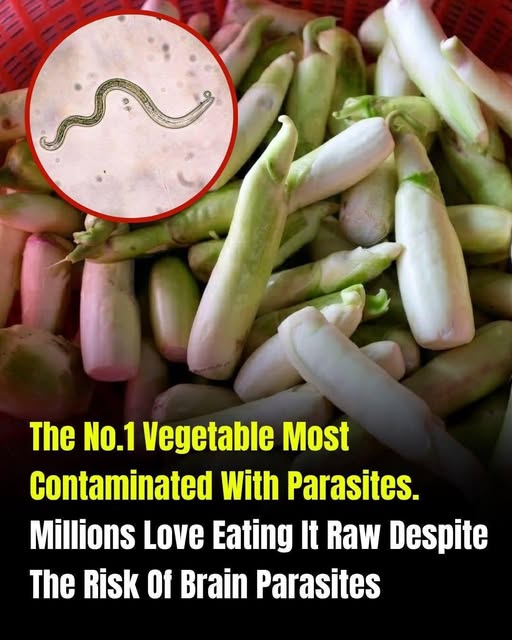
Some raw vegetables can carry parasites and other harmful microorganisms when contaminated soil or water is involved. Learn which produce requires extra care and how to wash and prepare it safely.
The Most Parasite-Contaminated Vegetable? What You Should Really Know
Vegetables are an important part of a healthy diet, but eating them raw can sometimes come with a risk that isn’t obvious.
Certain vegetables can become contaminated with parasites, bacteria or other microorganisms through contaminated soil, irrigation water, animal waste or handling. The good news is that these risks can usually be reduced with proper food-safety practices.
So, is there really one vegetable that is “the most contaminated”?
Not exactly.
There isn’t a scientifically established single vegetable that can be called the world’s most parasite-contaminated vegetable. Contamination depends on where the food was grown, how it was harvested and handled, and whether it was washed and prepared properly.
However, leafy greens and vegetables that grow close to or in the soil deserve particular attention.
Why Can Vegetables Carry Parasites?
Fresh produce can come into contact with contaminated soil or water during farming.
Animal feces can also introduce parasites and other pathogens into the growing environment.
Vegetables may then become contaminated before they ever reach the supermarket.
The risk can be higher for produce that is eaten raw because cooking is one of the most effective ways to destroy many harmful microorganisms.
Leafy Greens Need Extra Care
Lettuce, spinach, kale and other leafy greens have lots of folds and irregular surfaces where dirt and microorganisms can remain attached.
They are often eaten raw in salads, which means there is no cooking step to reduce the contamination risk.
This doesn’t mean you should stop eating leafy vegetables.
Quite the opposite—leafy greens provide valuable vitamins, minerals and fiber.
The important thing is to handle them correctly.
Root Vegetables Can Also Pick Up Contamination
Carrots, radishes, potatoes and other vegetables that grow in or close to the soil can come into contact with microorganisms present in the ground.
The outer surface is the main concern.
Washing the produce thoroughly and peeling it when appropriate can reduce contamination.
Cooking provides another important layer of protection.
Don’t Rely on Vinegar or Lemon Juice Alone
A common home-cleaning trick is soaking vegetables in vinegar, lemon juice or salt water.
While these methods may help remove some dirt, they should not be considered a guaranteed way to eliminate parasites or harmful bacteria.
For routine produce preparation, the safest approach is to rinse fresh vegetables thoroughly under clean running water.
Avoid using household soaps or detergents on food.
How to Wash Vegetables Properly
A few simple habits can make a significant difference.
Wash your hands first.
Use soap and clean water before preparing fresh produce.
Rinse vegetables under running water.
Rub firm produce gently with your hands to help remove dirt and microorganisms.
Remove damaged areas.
Cut away bruised or visibly damaged sections.
Use a clean cutting board.
Don’t prepare vegetables on a surface that has recently held raw meat, poultry or seafood.
Keep washed produce separate from raw foods.
This helps prevent cross-contamination.
Cook when appropriate.
Thorough cooking can greatly reduce the risk from many parasites and bacteria.
What About Pre-Washed Salad?
If a package says the produce has already been washed, follow the package instructions.
Rewashing isn’t always necessary and can sometimes introduce contamination from the kitchen sink, hands or other surfaces.
If the packaging says the product is ready to eat, it can generally be used as directed.
Who Needs to Be Especially Careful?
Foodborne infections can be more serious for certain people, including young children, older adults, pregnant women and people with weakened immune systems.
These groups should be especially careful about food hygiene and may be advised to avoid certain raw or undercooked foods depending on their individual circumstances.
The Important Truth Behind the Viral Headline
It’s easy to see headlines claiming that one particular vegetable is “full of parasites” or “the most contaminated vegetable.”
The reality is more nuanced.
Contamination isn’t determined simply by the name of a vegetable. Farming conditions, water quality, soil, harvesting, transportation, storage and food preparation all matter.
A properly handled vegetable can be perfectly safe and nutritious.
The goal isn’t to fear fresh produce.
It’s to handle it intelligently.
Final Takeaway
You don’t need to remove vegetables from your diet because of parasite concerns.
Instead, wash fresh produce thoroughly, prevent cross-contamination, store food properly and cook vegetables when appropriate.
Leafy greens and soil-grown vegetables deserve careful handling, especially when they’re eaten raw.
A little attention in the kitchen can go a long way toward keeping the healthy foods on your plate both nutritious and safe.