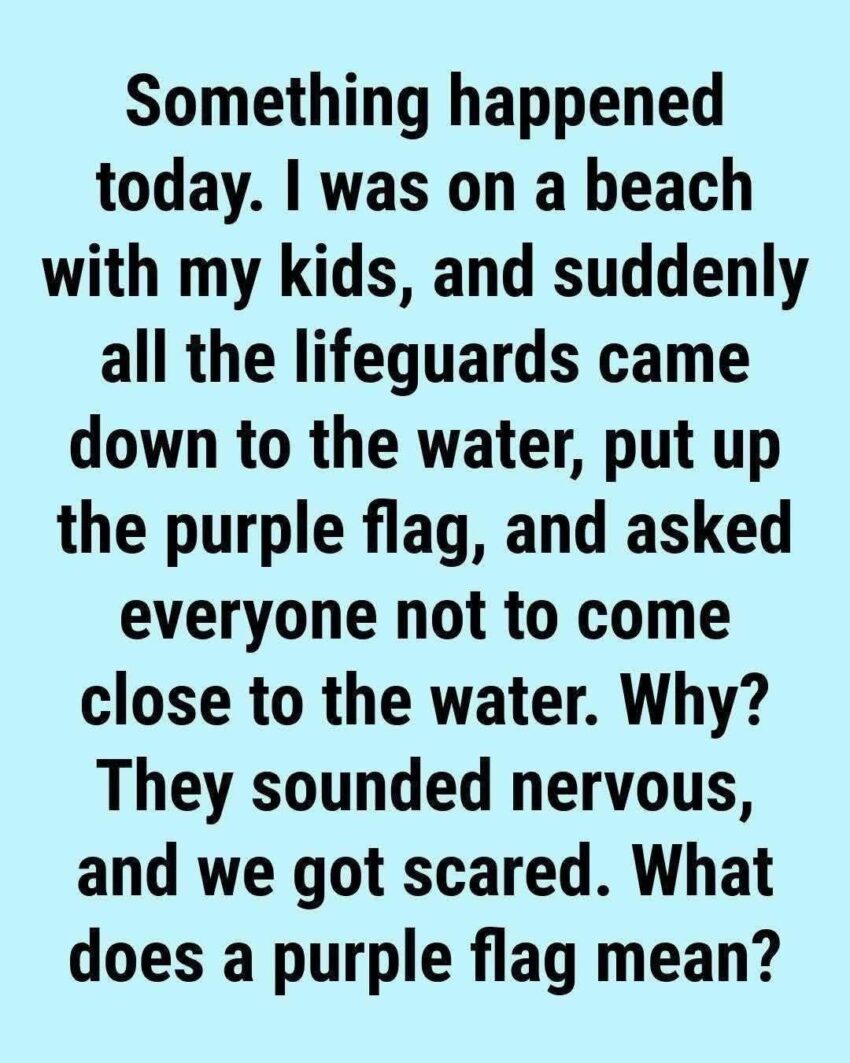
Ever wondered what a purple flag at the beach means? Learn what this unusual beach warning flag indicates, what dangers it signals, and how to stay safe near the water.
A day at the beach usually means sunshine, warm sand, cool water, and plenty of time to relax. But before rushing into the ocean, it’s always worth looking at the flags flying near the lifeguard station.
Most people recognize a red flag as a warning to stay out of dangerous water. But what about a purple flag?
This unusual color can leave beachgoers wondering whether it means bad weather, strong currents, or something else entirely.
What Does a Purple Beach Flag Mean?
In many beach-safety systems, a purple flag indicates the presence of dangerous marine life in the water.
This can include creatures such as:
- Jellyfish
- Portuguese man o’ war
- Stingrays
- Other potentially dangerous marine animals
A purple flag generally means that the water may contain marine life capable of causing injury or discomfort.
Importantly, a purple flag doesn’t necessarily mean that swimming is prohibited. Whether you can safely enter the water depends on the other flags being displayed and the instructions provided by local lifeguards.
Why Would a Beach Display a Purple Flag?
Marine animals aren’t always visible from the shore.
Jellyfish, for example, can sometimes be carried close to the beach by currents, wind, tides, and changing water conditions. During certain seasons, their numbers can increase significantly.
A purple flag allows lifeguards to alert visitors before they enter the water.
It is essentially a simple message:
“Be aware—marine life that may hurt you has been spotted or is present in the area.”
What Should You Do When You See a Purple Flag?
The safest approach is to take the warning seriously.
Before swimming:
- Check the other beach flags.
- Look for signs posted near the beach entrance.
- Listen to lifeguard instructions.
- Avoid touching marine animals, even if they appear to be dead.
- Keep children especially close to you.
- If you see jellyfish or other potentially dangerous creatures in the water, move away from the area.
Don’t assume that because other people are swimming, the water is automatically safe for you.
Purple Flag vs. Red Flag
These flags have very different purposes.
🟣 Purple Flag
Usually indicates dangerous marine life.
Depending on the local flag system, swimming may still be permitted, but extra caution is necessary.
🔴 Red Flag
Generally indicates dangerous water conditions and often means swimming is prohibited or strongly discouraged.
🟡 Yellow Flag
Usually indicates moderate hazards, such as stronger currents or waves. Swimmers should exercise increased caution.
🟢 Green Flag
Generally indicates low-risk water conditions, although it never means the ocean is completely risk-free.
Beach flag systems can vary between countries and individual beaches, so always follow the signs and instructions at the specific beach you’re visiting.
What Marine Life Can Trigger a Purple Flag?
Jellyfish
Jellyfish are one of the most common reasons people associate purple flags with beach warnings.
Their tentacles can contain stinging cells that cause pain, redness, itching, or irritation after contact.
Different species have different levels of danger, so you should never assume that a jellyfish is harmless simply because it is small.
Portuguese Man O’ War
The Portuguese man o’ war can look somewhat like a jellyfish, but it is actually a different type of marine organism.
Its long tentacles can deliver painful stings, and tentacles can remain capable of stinging even after the organism has washed onto the beach.
Never pick one up with your bare hands.
Stingrays
Stingrays generally aren’t looking to attack people. Most injuries happen when someone accidentally steps on one in shallow water.
When walking in sandy shallow water, some beaches recommend a gentle “stingray shuffle” rather than taking large steps. This gives a ray more opportunity to move away.
What If You Get Stung?
If you are stung or injured by marine life, get out of the water and alert a lifeguard.
Don’t rely on random internet remedies because treatment depends on the specific animal involved.
Seek medical attention immediately if there is:
- Severe pain
- Difficulty breathing
- Chest pain
- Significant swelling
- Dizziness or fainting
- Vomiting
- A widespread reaction
- A sting involving the eyes, mouth, or face
- Any serious or rapidly worsening symptoms
For children or anyone who appears seriously unwell, get professional medical help promptly.
Why Beach Flags Are So Important
Beach flags are more than colorful decorations. They’re a quick communication system designed to give swimmers information about conditions that may not be obvious from the shore.
The ocean can look calm while dangerous currents or marine animals are present beneath the surface.
That’s why checking the flags should become part of your beach routine.
Before entering the water, take a few seconds to look toward the lifeguard station and nearby signs. A small colored flag could provide important information that helps you avoid an unpleasant or dangerous encounter.
The Bottom Line
The purple flag is generally a warning about dangerous marine life in the water, such as jellyfish or other stinging or potentially harmful creatures.
It doesn’t necessarily mean that you cannot swim, but it does mean you should be more cautious and pay attention to local instructions.
And remember: beach flag meanings aren’t completely universal. If you’re unsure what a particular flag means, ask the lifeguard rather than guessing.
The ocean is beautiful, but it deserves respect. A few seconds spent checking the flags can make your beach day considerably safer.