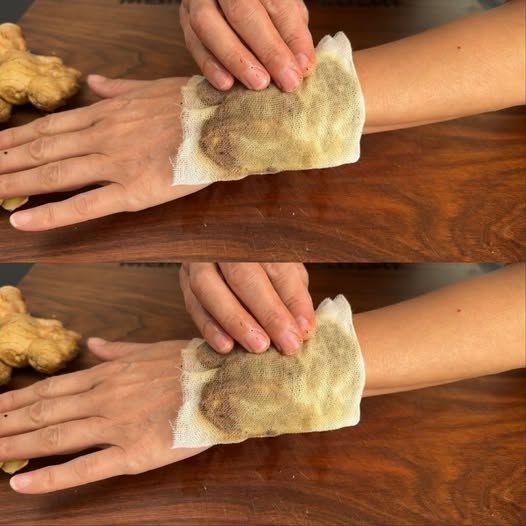
Discover how natural oils may help soothe joint discomfort, moisturize dry skin and nourish gray hair, while learning which popular health claims are not supported by evidence.
For generations, natural oils have been part of traditional home-care routines. People have used them for massage, dry skin, hair care, and general relaxation. Today, social media has taken these traditional remedies even further, with claims that a particular oil can make painful joints feel new again, eliminate varicose veins, and even reverse gray hair.
But how much of this is actually possible?
The answer is more interesting than a simple yes or no.
Why Oil Massage Can Feel So Good
A gentle massage can temporarily make stiff or uncomfortable areas feel better. The warmth of the hands, the physical massage, and the moisturizing effect of oil can all contribute to a soothing sensation.
This does not necessarily mean that the oil has repaired the joint, cartilage, muscles, or veins underneath the skin.
For many people, the biggest benefit may come from the massage itself, especially when the goal is relaxation and temporary comfort.
Can Oil Help With Aching Joints?
Natural oils are frequently recommended for knee, shoulder, hand, and other joint discomfort.
Massaging an oil onto the skin around an uncomfortable joint may help the area feel more relaxed and moisturized. However, conditions such as osteoarthritis involve changes inside the joint that an ordinary massage oil cannot reverse.
If joint pain is persistent, severe, or accompanied by significant swelling, redness, warmth, fever, or difficulty walking, the underlying cause should be evaluated rather than relying solely on an oil.
What About Varicose Veins?
Varicose veins develop when veins become enlarged and twisted, commonly because the valves inside the veins are not functioning properly.
Applying oil can moisturize the skin around the legs and a gentle massage may feel relaxing. But oil cannot repair faulty vein valves or make established varicose veins disappear.
Anyone experiencing painful varicose veins, skin changes, ulcers, or significant swelling should discuss the problem with a healthcare professional.
Sudden swelling, warmth, redness, or pain affecting one leg should receive prompt medical attention.
Can Oil Make Gray Hair Black Again?
This is one of the most popular claims associated with natural hair oils.
Gray hair generally occurs when hair follicles produce less melanin, the pigment responsible for hair color. Genetics and aging play major roles.
Oil can make dry or coarse gray hair look smoother, shinier, and better conditioned. It may also help reduce the feeling of dryness in the scalp.
But conditioning the hair is very different from restoring its natural pigment.
There is no ordinary massage oil that can reliably turn naturally gray hair back to its original color overnight or permanently.
Which Oils Are Commonly Used?
Coconut Oil
Coconut oil is widely used for hair and skin care. It can help reduce dryness and leave hair feeling softer.
Olive Oil
Olive oil can be used as a moisturizer and massage oil. Its smooth texture makes it easy to spread over the skin.
Sesame Oil
Sesame oil has a long history of traditional use in massage. Many people use it because it provides a comfortable, lubricating texture.
Mustard Oil
Mustard oil is traditionally used in some cultures for body massage. However, it can irritate sensitive skin, so it is important to stop using it if burning, itching, or redness develops.
A Simple At-Home Massage
If you enjoy using oil for general comfort, keep the routine gentle.
- Place a small amount of oil in your hands.
- Warm it between your palms rather than heating it until it becomes hot.
- Massage the surrounding area gently for several minutes.
- Avoid aggressive pressure over painful or swollen areas.
- Stop immediately if irritation develops.
- Wash your hands afterward.
A patch test can also help identify skin sensitivity before applying a new oil over a larger area.
What Natural Oils Can—and Cannot—Do
Natural oils can be useful for skin moisturization, hair conditioning, and massage. They may also make temporary muscle or joint discomfort feel more manageable.
What they cannot reliably do is repair damaged cartilage, correct faulty vein valves, or reverse naturally occurring gray hair.
That distinction matters because delaying appropriate medical treatment while relying on a “miracle oil” can allow an underlying problem to worsen.
The Bottom Line
The idea of one oil that heals everything is appealing, but real health problems are rarely that simple.
A good natural oil can still have a place in a self-care routine. Used appropriately, it can moisturize dry skin, condition hair, and make a gentle massage relaxing.
Just remember: soothing is not the same as curing.
When joint pain, varicose veins, swelling, or other symptoms persist, treating the underlying cause is far more important than searching for a miracle oil.