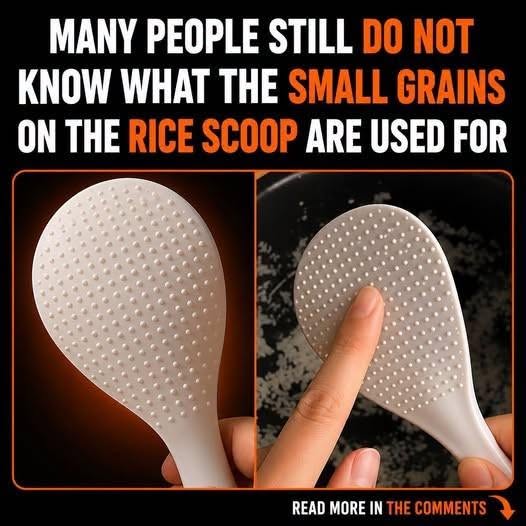
Wondering why your rice cooker came with that unusual plastic paddle? Discover what it’s really for, why it works better than a regular spoon, and how to use it properly for perfectly fluffy rice.
If you own a rice cooker, you have probably noticed the flat plastic paddle that came tucked inside the box. Many people simply toss it into a kitchen drawer and reach for an ordinary spoon instead.
But that little paddle is not just a random accessory.
It was specifically designed to help you serve and fluff rice without damaging the inner pot or turning your perfectly cooked rice into a sticky, mushy mess.
Why Does a Rice Cooker Come With a Paddle?
The paddle, sometimes called a rice spatula, is designed with a broad, flat shape that makes it easy to lift and separate cooked rice.
Unlike some metal utensils, it is gentle on the nonstick coating found inside many rice cooker bowls. Using a metal spoon can scratch the surface over time, while the plastic paddle is designed to be safer for the pot.
Its shape also helps you scoop rice without pressing or crushing the grains.
The Secret Is in the Textured Surface
Have you ever looked closely at your rice paddle and noticed the small bumps or textured pattern?
That design serves an important purpose.
The texture helps reduce the amount of rice that sticks to the paddle. Rice is naturally starchy and sticky, especially when freshly cooked, so the raised surface creates less direct contact than a completely smooth utensil.
For even easier serving, lightly wetting the paddle before use can also help reduce sticking.
How to Use the Paddle the Right Way
The best time to use the paddle is after the rice has finished cooking and rested according to your rice cooker’s instructions.
Step 1: Open the Lid Carefully
Steam can be extremely hot, so open the lid carefully and keep your face and hands away from the rising steam.
Step 2: Fluff the Rice Gently
Instead of aggressively stirring the rice, use the paddle to gently lift and separate it.
Move the paddle through the rice using a light cutting and folding motion. This can help release excess steam and separate the grains without crushing them.
Step 3: Scoop Without Scraping
Use the broad surface of the paddle to lift portions of rice from the pot.
Avoid digging aggressively into the bottom or scraping the inner bowl, especially if it has a nonstick coating.
Step 4: Keep the Paddle Clean
Wash the paddle after each use and allow it to dry completely before storing it.
If rice becomes stuck to the surface, soaking it briefly in warm water can make cleaning easier.
Why a Regular Metal Spoon Isn’t the Best Choice
A metal spoon may seem perfectly fine, but it can cause unnecessary wear on the inside of a nonstick rice cooker bowl.
Over time, scratches can damage the coating. The included paddle is usually made from materials chosen to be gentler on the cooking surface.
It is also wider and flatter than an ordinary spoon, making it easier to fluff and serve rice.
A Small Tool That Makes a Big Difference
That simple paddle sitting beside your rice cooker may not look like much, but it has a practical purpose.
It helps protect your cooker, reduces sticking, and makes it easier to fluff and serve freshly cooked rice.
So the next time you make rice, don’t leave that little paddle forgotten in the drawer. Give it a quick rinse, use it to gently fluff your rice, and enjoy a cleaner, easier serving experience.
Sometimes, the most useful kitchen tools are the ones that come with the appliance—we just have to know what they’re actually for!