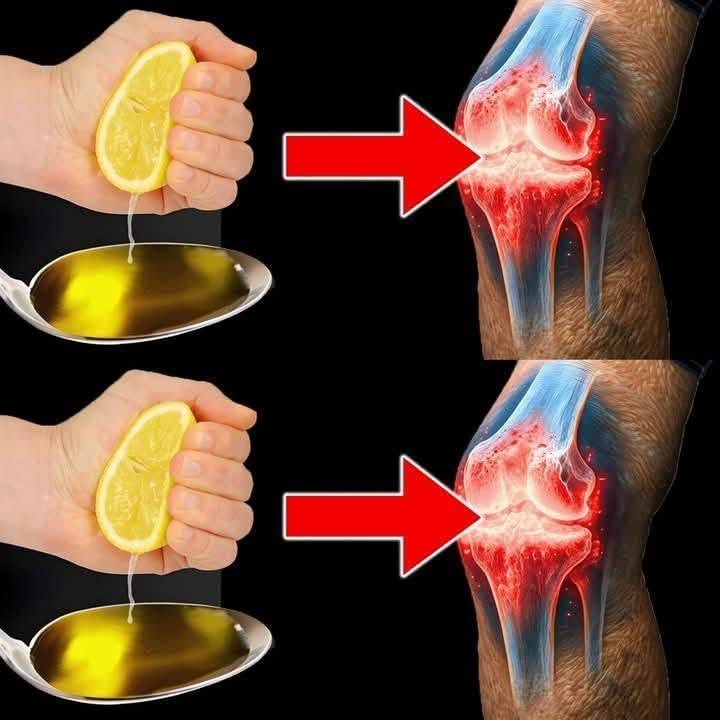
Discover evidence-based ways to support knee cartilage and joint health naturally, including nutrition, exercise, weight management, and daily habits.
Knee pain can make even simple activities—walking, climbing stairs, standing up, or getting out of a chair—feel difficult. One common reason is wear and tear of the cartilage that cushions the knee joint.
Cartilage does not have the same blood supply as many other tissues, so it has a limited ability to repair itself. That is why there is no single drink, food, or homemade remedy that can rapidly rebuild severely damaged knee cartilage.
However, there are practical steps you can take to protect the cartilage you still have, strengthen the muscles supporting your knees, and improve overall joint function.
Here are some of the most useful habits to consider.
1. Focus on Anti-Inflammatory, Nutrient-Rich Foods
Your body needs adequate nutrients to maintain bones, muscles, connective tissues, and overall joint health.
Build meals around:
- Fatty fish such as salmon, sardines, or mackerel
- Eggs
- Beans and lentils
- Leafy green vegetables
- Berries and other colorful fruits
- Nuts and seeds
- Olive oil
- Whole grains
- Lean protein
Omega-3 fats found in fatty fish may be particularly useful as part of an overall healthy eating pattern.
Rather than searching for one “miracle” food, aim for a varied diet that provides protein, vitamins, minerals, fiber, and healthy fats.
2. Strengthen the Muscles Around Your Knees
One of the most important things you can do for your knees is strengthen the muscles that help support them.
Stronger quadriceps, hamstrings, glutes, and calf muscles can help improve stability and make everyday movements easier.
Depending on your fitness level, exercises may include:
- Straight-leg raises
- Glute bridges
- Sit-to-stand exercises
- Step-ups
- Hamstring curls
- Gentle squats
Start slowly and avoid exercises that cause significant or worsening pain.
If you have substantial arthritis, an old knee injury, or severe pain, a physical therapist can help you choose appropriate exercises.
3. Keep Moving—But Choose Joint-Friendly Activities
Complete inactivity can make joints feel stiffer and weaker.
Low-impact activities are often easier on painful knees than high-impact exercise. Consider:
- Walking at a comfortable pace
- Swimming
- Water aerobics
- Cycling
- Elliptical training
- Gentle mobility exercises
The goal isn’t to push through severe pain. Instead, increase activity gradually according to what your knees tolerate.
4. Maintain a Healthy Weight
If you are carrying excess body weight, even modest weight loss can reduce the mechanical load placed on the knees during everyday activities.
A sustainable approach is usually better than crash diets.
Focus on:
- Adequate protein
- Plenty of vegetables
- High-fiber foods
- Reasonable portions
- Fewer highly processed foods
- Regular physical activity
Weight management isn’t about achieving a perfect number on the scale. Even gradual improvements can support mobility and joint health.
5. Give Your Body the Nutrients It Needs
Several nutrients contribute to normal bone, muscle, and connective-tissue function.
Important nutrients include:
Vitamin D: Supports bone health and muscle function.
Calcium: Important for maintaining strong bones.
Vitamin C: Necessary for collagen production.
Protein: Provides amino acids needed for tissue maintenance and muscle repair.
Whenever possible, obtain nutrients from a varied diet. Supplements should not automatically be considered better, and excessive doses of certain vitamins or minerals can be harmful.
6. Don’t Rely on “Cartilage-Rebuilding” Drinks
You may see recipes online containing gelatin, collagen powder, apple cider vinegar, turmeric, lemon, or other ingredients promoted as secret cartilage-rebuilding remedies.
Some nutritional ingredients may have potential benefits for joint symptoms, but there is no proven homemade drink that can rapidly regenerate worn-out knee cartilage.
Collagen supplements, for example, are being studied for joint health, but they should not be presented as a guaranteed way to rebuild damaged cartilage.
A healthy drink can be part of a nutritious diet, but it shouldn’t replace appropriate treatment.
A Simple Daily Knee-Friendly Routine
A practical routine might look like this:
Morning:
Have a protein-rich breakfast and stay hydrated.
During the day:
Take short movement breaks rather than remaining seated for hours.
Exercise:
Spend 15–30 minutes doing comfortable low-impact activity, depending on your ability.
Strength training:
Perform gentle leg and hip strengthening exercises several times a week.
Evening:
Use gentle stretching or mobility exercises if they make your knees feel more comfortable.
When Should You See a Doctor?
Knee pain shouldn’t always be blamed on aging or “worn cartilage.”
Seek medical advice if you have:
- Severe or persistent knee pain
- Significant swelling
- A knee that locks or repeatedly gives way
- Difficulty putting weight on the leg
- Pain after an injury
- Redness or warmth around the joint
- Sudden severe pain
- Symptoms that continue despite home care
A healthcare professional can determine whether the problem is osteoarthritis, a ligament or meniscus injury, inflammation, gout, or another condition.
The Bottom Line
There is no secret remedy that can rebuild knee cartilage incredibly fast. Cartilage repair is complicated, and severely damaged cartilage cannot simply be regenerated overnight with a food, drink, or supplement.
The more realistic goal is to protect joint health, maintain strength and mobility, manage body weight when appropriate, eat a nutritious diet, and get proper treatment when symptoms persist.
Small, consistent habits can make a meaningful difference in how your knees function—and they are much more reliable than promises of an overnight cartilage “cure.”