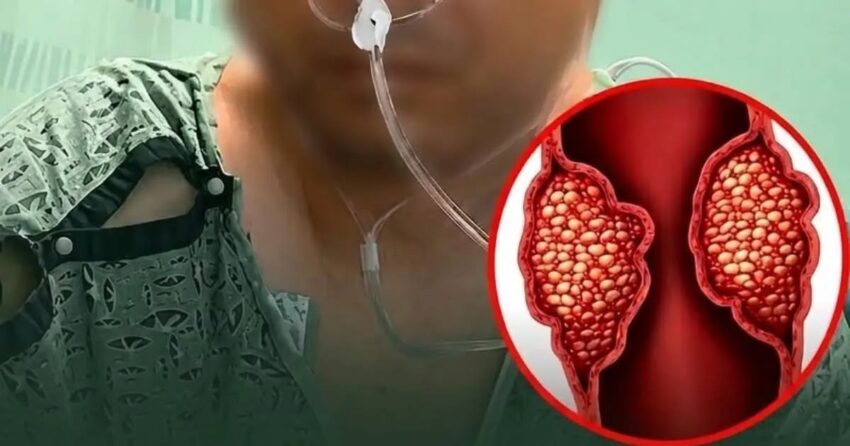
Heartburn is common. A burning sensation after a heavy meal, acid taste in the mouth, or occasional discomfort doesn’t automatically mean something serious.
However, some symptoms that are easily dismissed as ordinary acid reflux can also occur with esophageal cancer. That doesn’t mean these symptoms indicate cancer—most people with heartburn do not have cancer—but persistent or worsening symptoms deserve medical attention.
Knowing the warning signs can help you recognize when it’s time to talk to a doctor.
1. Persistent Heartburn or Acid Reflux
Occasional heartburn is usually not a cause for concern. But frequent, persistent or worsening heartburn shouldn’t simply be ignored.
Long-term gastroesophageal reflux disease (GERD) can damage the esophagus and is associated with an increased risk of certain types of esophageal cancer.
If symptoms keep returning despite lifestyle changes or over-the-counter treatment, speak with a healthcare professional.
2. Difficulty Swallowing
One of the important warning signs is dysphagia, or difficulty swallowing.
You might feel as though food is sticking in your throat or chest, or notice that swallowing solid foods has gradually become harder.
People sometimes adjust their eating habits without realizing it—for example, taking smaller bites, chewing much longer or avoiding certain foods.
New or progressive difficulty swallowing should be evaluated by a doctor.
3. Pain or Discomfort When Swallowing
Pain while swallowing, known as odynophagia, can have many possible causes, including infections, inflammation and reflux.
But persistent pain or discomfort when swallowing shouldn’t be assumed to be simple heartburn.
If swallowing regularly causes pain, particularly when combined with other symptoms, medical evaluation is important.
4. Unexplained Weight Loss
Losing weight without intentionally changing your diet or activity level can have many causes.
With esophageal cancer, weight loss may occur because swallowing becomes uncomfortable or difficult, leading someone to eat less. Cancer-related changes in appetite and metabolism can also contribute.
Unexplained or significant weight loss is a reason to speak with a healthcare professional rather than simply blaming it on digestive problems.
5. Persistent Chest or Upper-Abdominal Discomfort
Heartburn can cause burning or discomfort behind the breastbone. Problems involving the esophagus can sometimes produce similar sensations.
Persistent chest discomfort—especially when it is associated with swallowing problems, vomiting, unexplained weight loss or ongoing reflux—shouldn’t be self-diagnosed as heartburn.
And remember: new, severe or pressure-like chest pain can also be a sign of a heart problem and may require emergency medical attention.
When Should You See a Doctor?
Having one of these symptoms does not mean you have esophageal cancer. Acid reflux, ulcers, inflammation and other digestive conditions can cause very similar symptoms.
The important factor is persistence, progression and combinations of symptoms.
Make an appointment with a healthcare professional if you have:
- Heartburn that keeps coming back
- Increasing difficulty swallowing
- Pain when swallowing
- Unexplained weight loss
- Persistent chest or upper-abdominal discomfort
- Vomiting or signs of gastrointestinal bleeding
Don’t wait for symptoms to become severe before getting them checked.
The Bottom Line
Heartburn is common, but persistent digestive symptoms shouldn’t automatically be written off as acid reflux.
Difficulty swallowing, painful swallowing, unexplained weight loss, persistent reflux and ongoing chest or upper-abdominal discomfort can have many causes, including conditions that need medical treatment.
The goal isn’t to panic over ordinary heartburn. It’s to recognize when a symptom has changed, refuses to go away or is accompanied by other warning signs.
When in doubt, getting checked is better than guessing.