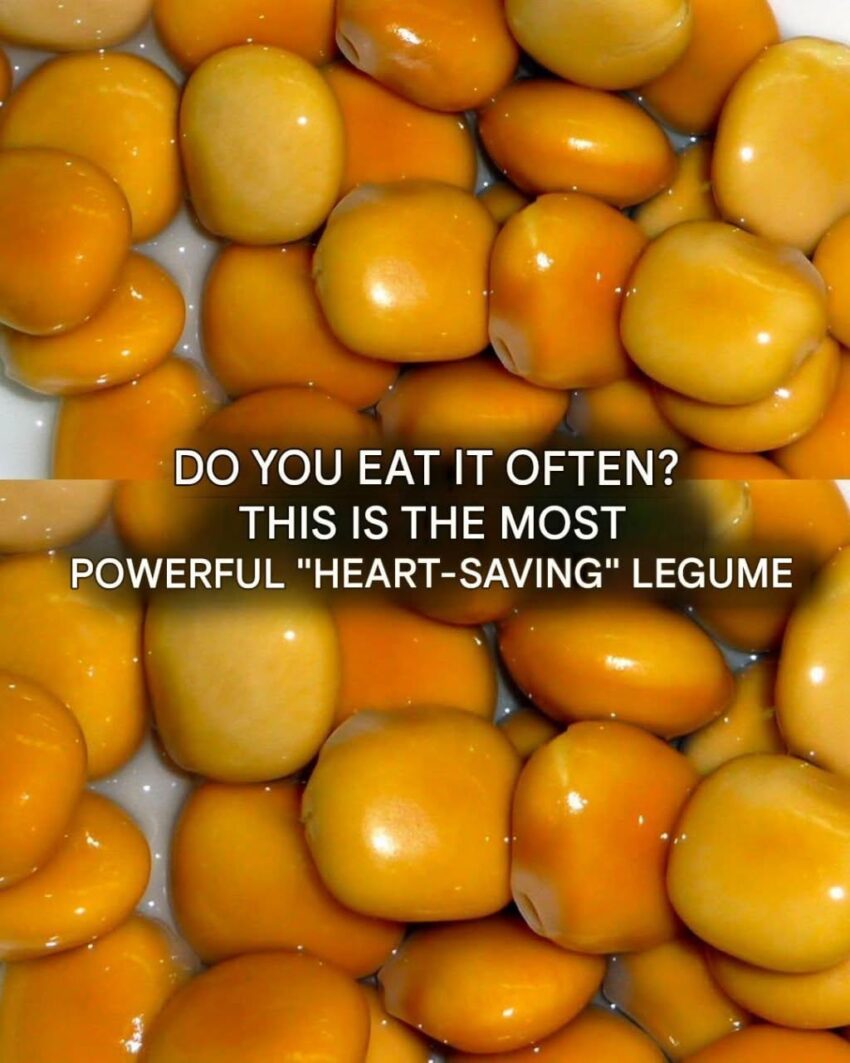
Discover how makhana may support heart health, cholesterol management and healthy blood pressure, plus the best ways to prepare this nutritious snack.
Makhana for Heart Health: Can These Crunchy Seeds Help Protect Your Heart?
Makhana, also known as fox nuts, has become a popular healthy snack for people looking for a lighter alternative to chips, biscuits and other highly processed foods. These crunchy seeds are naturally low in fat and contain minerals such as magnesium, potassium, calcium and phosphorus. They also provide antioxidants that may help protect cells from oxidative stress.
But can eating makhana really help protect your heart? The answer is promising, but it is important not to treat makhana as a medicine. Its biggest benefit may come from including it as part of an overall heart-friendly diet.
What Is Makhana?
Makhana is commonly called fox nuts or lotus seeds and is obtained from the aquatic plant Euryale ferox. The seeds are usually dried and roasted before being eaten as a snack.
They have a mild flavor and a light, crunchy texture, which makes them easy to season with herbs and spices. Plain or lightly roasted makhana can be a better snack choice than foods that are deep-fried or heavily processed.
1. Makhana May Support Heart Health
One of the reasons makhana is attracting attention is its nutritional profile.
It contains magnesium and potassium, minerals that play important roles in normal muscle function, blood vessels and blood-pressure regulation. Makhana also contains antioxidant compounds that help protect cells from oxidative stress.
However, it would be inaccurate to say that eating makhana alone prevents heart disease. A healthy heart depends on your overall diet, physical activity, blood pressure, cholesterol levels, weight, sleep and other lifestyle factors.
2. What About Bad Cholesterol?
You may have seen claims that makhana can lower LDL, commonly known as bad cholesterol.
There is some promising research, particularly from experimental and animal studies. For example, studies involving makhana extracts have reported improvements in cholesterol and triglyceride levels. However, researchers note that more high-quality human research is needed before we can say that eating makhana directly lowers cholesterol in people.
So rather than saying:
“Makhana lowers bad cholesterol and raises good cholesterol.”
A more accurate statement for your website would be:
“Makhana may support a heart-healthy diet because it is naturally low in fat and provides minerals and antioxidant compounds, although more human research is needed to confirm its direct effects on cholesterol.”
3. May Help You Choose Better Snacks
One of the simplest heart-health benefits of makhana is that it can replace less nutritious snacks.
Instead of reaching for:
- Deep-fried chips
- Highly processed crackers
- Sugary snacks
- Very salty packaged foods
you can choose a moderate portion of plain roasted makhana.
This matters because heart health is influenced by your overall eating pattern, not one individual food. Plain makhana can fit nicely into a diet that also contains vegetables, fruits, whole grains, legumes, nuts and other nutritious foods.
4. Makhana Contains Important Minerals
Makhana provides several minerals that the body needs.
Magnesium
Magnesium contributes to normal muscle and nerve function and plays a role in many processes throughout the body.
Potassium
Potassium is important for normal muscle function and healthy blood-pressure regulation.
Calcium and Phosphorus
These minerals are important for maintaining healthy bones and teeth and also have roles in normal body functions.
A serving of dried lotus seeds provides meaningful amounts of these minerals, although exact nutrition varies according to the product and preparation method.
5. Antioxidants May Help Protect Cells
Makhana contains naturally occurring antioxidant compounds, including phenolic compounds and other plant chemicals.
Antioxidants help the body deal with oxidative stress. Oxidative stress is associated with several chronic health conditions, including cardiovascular disease.
However, this does not mean that makhana can prevent heart disease on its own. It is better to think of antioxidant-rich foods as one part of a balanced diet rather than as a treatment.
6. How Should You Eat Makhana for Better Heart Health?
Preparation makes a big difference.
For a heart-friendly snack, try:
Dry-roasted makhana + a small amount of olive oil or another unsaturated oil + black pepper + mild herbs or spices.
Try to avoid loading it with:
- Excess butter
- Large amounts of ghee
- Excess salt
- Sugary coatings
- Heavy creamy sauces
A food that is naturally nutritious can become much less healthy when large amounts of salt, sugar or saturated fat are added.
7. Can You Eat Makhana Every Day?
For most healthy adults, makhana can be included regularly as part of a balanced diet.
However, portion size still matters. Makhana contains carbohydrates and calories, so eating very large quantities does not automatically make it healthier.
If you have diabetes, high blood pressure, kidney disease or another medical condition requiring a specific diet, your portion and preparation may need to be adjusted according to your healthcare professional’s advice.
Makhana and Blood Pressure
Makhana contains potassium and magnesium, which are involved in normal cardiovascular function and blood-pressure regulation. This makes plain, lightly seasoned makhana a reasonable choice within a heart-friendly eating pattern.
But it should not be used as a replacement for blood-pressure medication or medical treatment.
If someone has consistently high blood pressure, they should have it properly evaluated rather than trying to control it with one food.
The Best Way to Include Makhana in Your Diet
Try making a simple roasted makhana snack:
- Take a moderate portion of makhana.
- Dry roast it in a pan until crisp.
- Add a small amount of healthy oil if desired.
- Season lightly with black pepper, turmeric or other herbs.
- Keep the salt moderate.
- Allow it to cool before storing it in an airtight container.
This makes an easy alternative to many highly processed snack foods.
Final Thoughts
Makhana can be a smart addition to a heart-conscious diet. It provides minerals such as magnesium and potassium, contains antioxidant compounds and can be a lighter alternative to many fried or highly processed snacks.
However, claims that makhana alone will lower LDL cholesterol, raise HDL cholesterol or prevent heart disease are stronger than the current human evidence supports. Research on its direct cardiovascular effects is still developing.
For the best results, enjoy makhana as part of an overall healthy lifestyle that includes nutritious foods, regular physical activity, adequate sleep and appropriate medical care.
Important: This article is for general educational purposes and is not a substitute for medical advice or prescribed treatment.