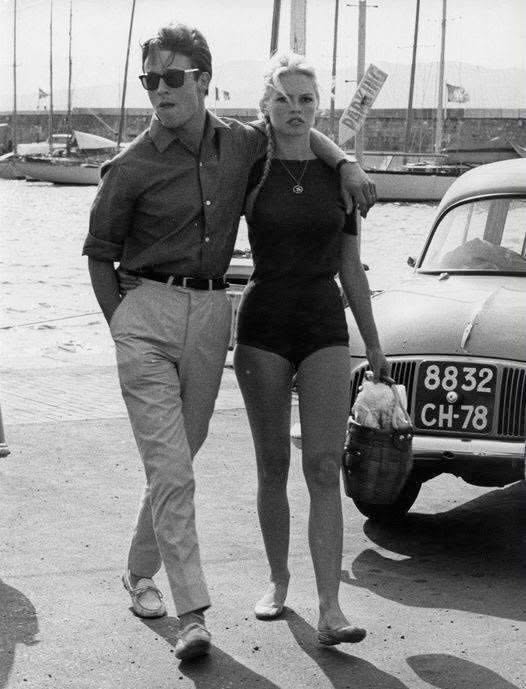
This unusual-looking photo is making people look twice. Take a closer look, spot the hidden detail, and see if you can figure out what makes this image so fascinating.
At first glance, this picture may look like something created with Photoshop or artificial intelligence.
But look again.
There may be more going on here than you notice at first.
Sometimes an ordinary photograph can appear completely impossible simply because of the angle, lighting, perspective, timing, or the way objects overlap.
That’s what makes these images so addictive—you think you’ve figured them out, and then you notice one tiny detail that changes everything.
Don’t Look Too Quickly
Before reading the explanation, take a few seconds and study the image carefully.
Look at:
- The background
- The objects around the main subject
- Shadows and reflections
- Where different objects meet
- The unusual shapes
- The perspective
- Anything that seems slightly “off”
Your brain naturally tries to make sense of an unfamiliar image as quickly as possible.
And sometimes, that’s exactly what causes us to miss the important detail.
Why Do Photos Like This Fool Us?
Our eyes don’t simply record everything in front of us like a camera.
Instead, the brain interprets what we see.
When objects overlap or appear at unusual angles, the brain can temporarily misinterpret their size, position, or relationship to one another.
This is known as a visual illusion or perceptual effect.
A perfectly ordinary object can suddenly appear enormous, tiny, floating, attached to something else, or completely out of place.
Perspective Can Change Everything
One of the biggest tricks in unusual photographs is perspective.
An object that’s actually far away can appear to be right next to something in the foreground.
Likewise, two objects at different distances can appear to be touching when they’re actually several feet apart.
That’s why changing your viewing angle—or simply looking at the photograph for a little longer—can suddenly make the scene understandable.
Try This Before You Read Further
Here’s the challenge:
Look at the picture again for 10 seconds.
Don’t zoom in immediately.
Instead, try to understand the entire scene first.
Then look at the smallest or strangest detail you noticed.
Did your interpretation change?
That’s the fun part of these photographs.
The Internet Loves a Good “Wait…What?” Moment
Images that make people stop scrolling are especially popular on social media.
A photograph doesn’t need to be professionally edited to become confusing or fascinating.
Sometimes all it takes is:
perfect timing + unusual perspective + an unexpected detail.
And once someone notices it, they immediately want to show the image to somebody else.
“Look at this!”
“Do you see it?”
“Wait…look closer!”
That’s exactly what makes these visual puzzles so shareable.
Look Again From a Different Angle
If you’re still unsure what you’re seeing, try mentally changing the perspective.
Imagine:
- Moving closer to the subject
- Moving farther away
- Looking at the image upside down
- Covering part of the picture
- Focusing only on the background
- Following the edges of objects
Sometimes the brain’s first interpretation is so strong that we don’t even consider another possibility.
What Did You Notice First?
That’s another interesting part of the challenge.
Different people often notice completely different details in the same photograph.
One person may immediately spot the unusual object.
Another may focus on the background.
Someone else may not notice anything strange until the image is explained.
So don’t feel bad if you didn’t see it immediately.
That’s the whole point of the puzzle!
Final Challenge
Before you scroll away, take one last look.
Can you explain exactly what you’re seeing?
If you figured it out without help, congratulations—you have a sharp eye!
And if you didn’t, don’t worry. Sometimes the most convincing visual illusions are created without any editing at all.
Did you spot the unusual detail? Tell us what you saw first in the comments!